


Brine from fermented vegetables and kimchi is often treated like a by-product. People either pour it away or leave it sitting in the jar until the last piece of cabbage is gone. In practice, though, it can be a useful ingredient for cold sauces and dressings because it already contains acidity, salt, and vegetable aroma. In some cases it adds more complexity than plain vinegar or lemon juice.
This does not mean every leftover brine automatically becomes a health tonic or a universal sauce base. It simply means that a good clean brine can act as a flavorful acidic component. Sauerkraut brine usually gives a cleaner, milder sour-salty profile. Kimchi brine tends to be sharper, more pungent, often spicier, and more layered because of garlic, chili, and sometimes fish-sauce or umami notes.
Why fermented brine works in sauces
Most cold sauces rely on a few structural elements: a fatty base, salt, acidity, and aromatic additions. Fermented brine covers several of those jobs at once. It can brighten a rich sauce, deepen flavor, and make the result taste less flat than when the only acid comes from vinegar.
That is why brine often works especially well in mayonnaise-style sauces, avocado-based creamy sauces, herb dressings, ranch-like mixtures, and mustard-oil emulsions. Fat softens the acidity, while the acidity makes the fat taste lighter and more lively.
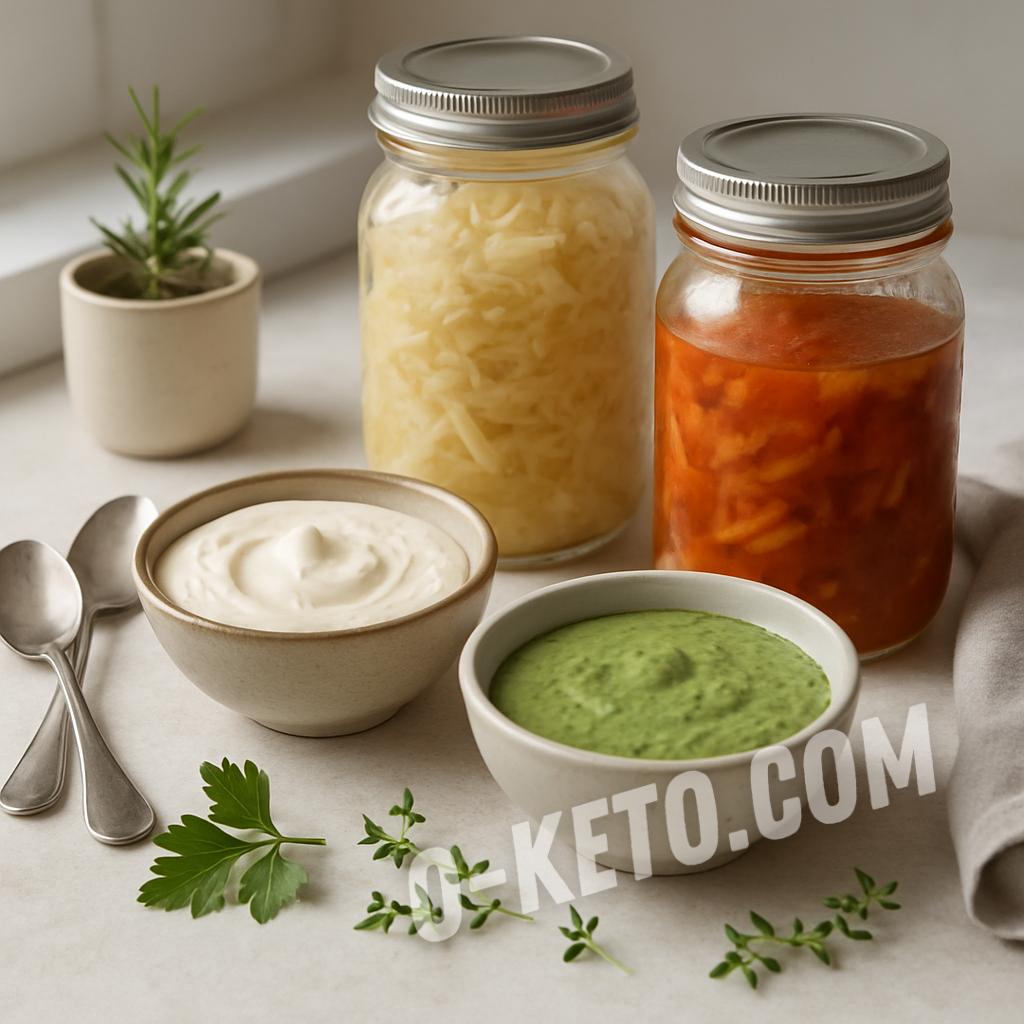
When to use regular vegetable brine and when to use kimchi brine
If you want extra depth without changing the whole character of the dish, regular brine from sauerkraut or other clean vegetable ferments is usually easier to control. It works well in milder dressings and creamy sauces where you mainly want freshness and acidity.
Kimchi brine is better when the sauce can handle a more assertive profile. It suits spicy mayonnaise, stronger dressings for roasted vegetables, sauces for eggs, chicken, fish, or meat, and bolder cold side dishes.
Best sauce bases for fermented brine
The easiest and most reliable bases are cold, rich, and emulsified. These include:
- homemade mayonnaise and similar sauces;
- avocado mayo or avocado cream sauces;
- thick yogurt or sour-cream based sauces when they fit your diet;
- mustard and olive oil dressings;
- green herb sauces with garlic and olive oil;
- ranch-style cold sauces.
In these bases, even a small amount of brine can make the result taste brighter, deeper, and less heavy.
Homemade mayonnaise is one of the easiest places to use it well. Brine can replace part of the vinegar or lemon juice, soften a flat oily taste, and add a cleaner salty-acid edge. It is still best to start small, then taste, and only add more if the sauce really needs it.
How much brine to add
A common mistake is treating it like water. Brine is concentrated. It already contains salt, acid, and often strong aromatic notes. A better approach is to start small and taste as you go.
| sauce type | good starting amount | what it does |
| mayonnaise or avocado mayo | 1-2 teaspoons | adds brightness and a softer sour edge than too much vinegar |
| yogurt or sour cream sauce | about 1 teaspoon | adds fresh acidity and savory depth |
| mustard-oil dressing | 1-2 teaspoons in a small jar | helps build a livelier, more interesting dressing |
| kimchi-style spicy sauce | start with 1 teaspoon | adds fermented heat and umami character |
After the first small addition, taste again. Sometimes that is already enough and no extra vinegar or lemon is needed at all.
Where it works especially well
Fermented brine tends to shine in a few specific groups of sauces.
Fermented mayonnaise. A little sauerkraut brine in homemade mayonnaise can make it taste less flat and less oily while still staying balanced.
The same logic works for fermented eggs. A small amount of brine can go into the mayonnaise that coats peeled cooked eggs or into a yolk-based filling for stuffed eggs. It gives a more integrated flavor than relying on mustard or vinegar alone.
Kimchi mayo. Kimchi brine works very well in mayonnaise, with or without a little finely chopped kimchi added at the end. It pairs especially well with eggs, meat, poultry, fish, and roasted vegetables.
Herb dressing. Herbs, olive oil, garlic, and fermented brine can produce a very lively cold sauce with more depth than a standard oil-and-vinegar dressing.
Mustard emulsions. In salad dressings, fermented brine often works as part of the acidic component and adds more dimension than plain vinegar alone.
Quick cucumbers built on old brine. Brine can also act as the starting salty-acid base for quick cucumbers. If fresh cucumbers are sliced or lightly scored and covered with a little good fermented brine, the flavor comes together faster than with water, salt, and vinegar alone. It does not replace a full long fermentation, but it gives a deeper result for a short refrigerator pickle.
When not to use it
Not every jar deserves to become a sauce ingredient. Brine should not be used if the ferment smells bad, has had colored mold, has a slimy stringy texture, or tastes clearly spoiled. In those cases the liquid is not a clever ingredient; it is part of a failed batch.
Brine is also most useful in cold sauces and dressings. In hot dishes, many of its delicate fermented notes disappear, so it is usually less rewarding there.
How to store sauces made with fermented brine
If you add raw fermented brine to a homemade sauce, keep it refrigerated and treat it as a short-life preparation. Mayonnaise-based, yogurt-based, or sour-cream sauces are usually best used within about 1 to 3 days, depending on the base and how cleanly everything was handled. Herb sauces on oil are also best used quickly, because greens, garlic, and raw brine create a fresh but not endlessly stable mixture.
Conclusion
Brine from fermented vegetables and kimchi can be a very useful ingredient in cold sauces and dressings. It works especially well in mayonnaise-style sauces, avocado creams, herb dressings, and mustard-oil emulsions, where it can replace part of the vinegar or lemon juice while adding deeper flavor. The best approach is to use only clean well-smelling brine, add it gradually, and store the finished sauce only briefly in the refrigerator.


