


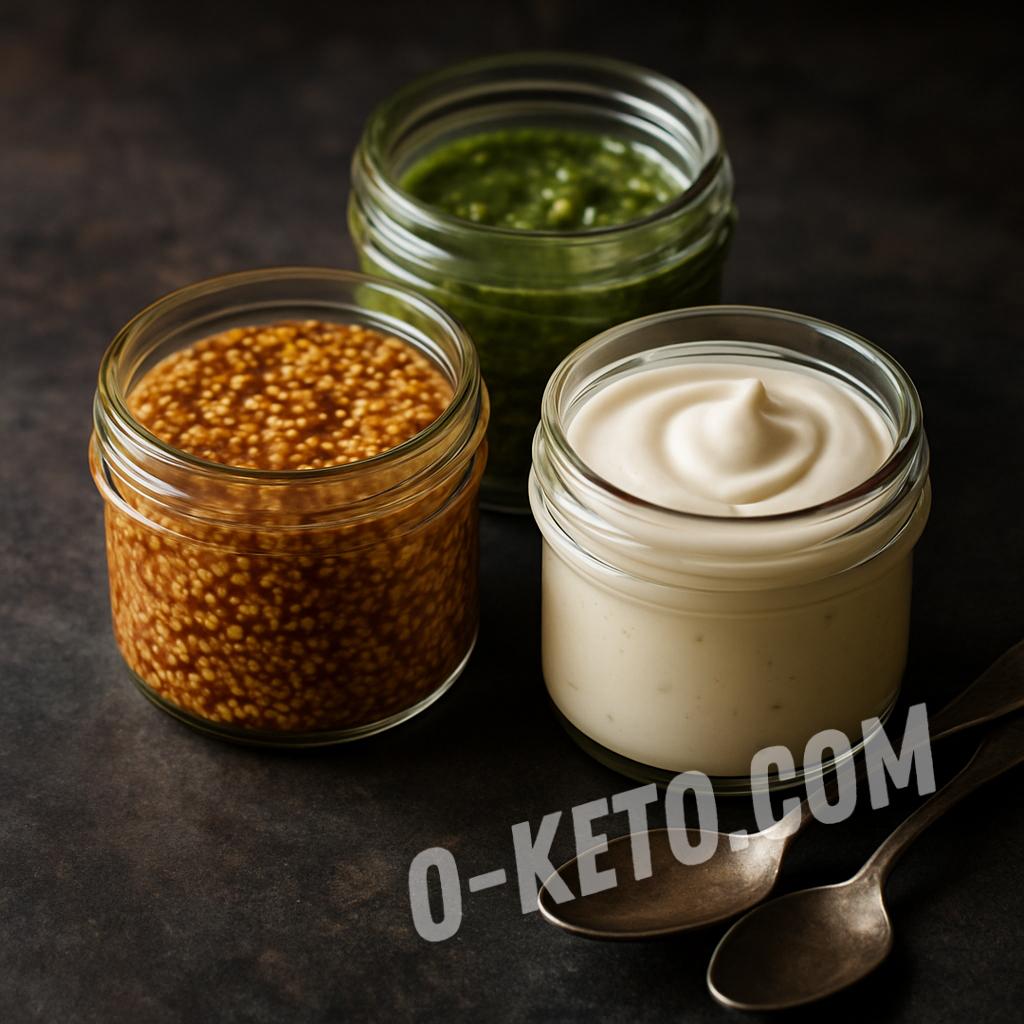

Homemade probiotic sauces are often imagined in a vague romantic way, as if adding a little brine to any jar automatically makes it both flavorful and safe. In reality, these sauces have their own kitchen logic, their own limits, and their own failure points. They really can taste brighter, deeper, and more layered than ordinary cold sauces, but only when you understand what is actually being fermented, what is merely being flavored, and where the line sits between a lively sauce and a risky jar that should no longer be eaten.
The most practical home rule is this: do not try to ferment every rich sauce from scratch. It is safer and far more predictable to use a controlled fermented component inside a finished cold sauce. That component may be a clean brine from fermented vegetables, already soaked and softened mustard seeds, or a small amount of another living acidic element that sharpens a mayonnaise, mustard, or herb base. This gives you complexity without turning the whole sauce into guesswork.
Why sauces are worth ferment-inspired work
Fermentation is especially noticeable where salt, acidity, fat, and aroma need to be assembled into one coherent taste. In vegetables, that gives crispness and sourness. In sauces, the effect is different: the fermented element removes flatness, lightens a heavy fatty base, and brings more dimension than vinegar alone can give.
This is why the best results tend to happen in cold sauces. Strong heat flattens many delicate fermented notes, so probiotic mustard, mayonnaise, and herb sauces make the most sense as cold condiments or already finished additions. In other words, this is jar work for the refrigerator, not a boiling pan sauce that spends time over heat.
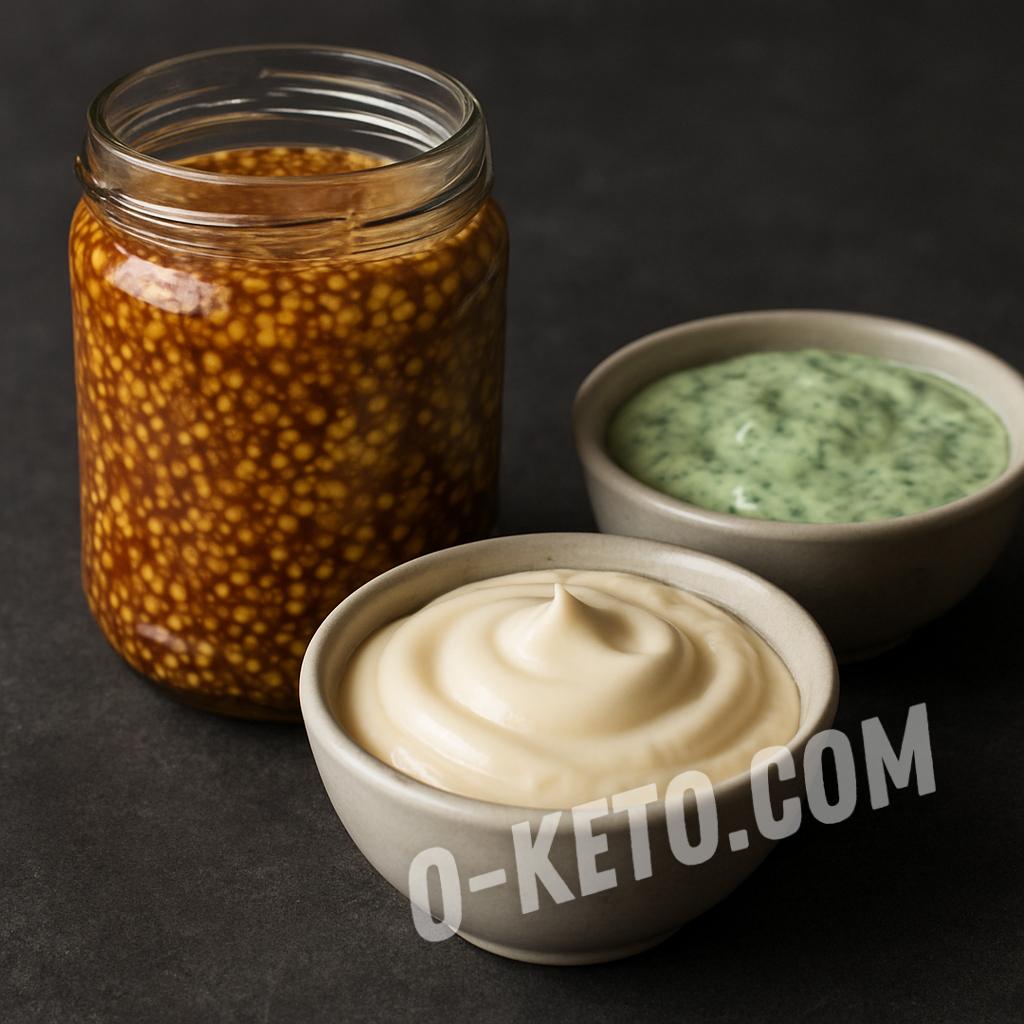
How fermented mustard works at home
Mustard is one of the clearest home examples. Mustard seeds hold structure well, absorb moisture gradually, and develop a depth that a quick mix of powder and vinegar rarely has. The usual logic is to soak the seeds first, then combine them with a little brine, salt, and sometimes a balancing component such as a mild fruit note or sweetener, and only after that blend to the texture you want.
It helps not to make the mixture too thin. A looser mustard tastes weaker, feels less controlled, and becomes harder to balance. A slightly coarse or dense creamy texture is usually easier to manage. After blending, the mustard can sit briefly at room temperature to let the taste come together, then it should go into the refrigerator. Cold storage is what makes the result more predictable.
Fermented mustard also works well because it is used in small amounts. A few teaspoons are enough to change meat, poultry, a cold snack, or even another sauce base. That means a small softening ingredient in the formula does not turn it into a sweet dish; it still behaves like a condiment.
How to think about homemade mayonnaise
Mayonnaise follows a different logic. You are not trying to long-ferment oil and yolk as a separate stable preserve. You are making a normal emulsion and giving it a fermented profile with brine or another already acidic living addition. That is why homemade mayonnaise with cucumber or sauerkraut brine can taste deeper and more interesting than a plain vinegar version, but it still cannot be treated like a long-storage commercial sauce.
The most common mistake is adding too much brine too fast. Then the emulsion may come together poorly, or the taste may become harsh, salty, and overly sour. It is better to move gradually: a small amount of brine, blending, tasting, then one more small step only if the sauce really needs it. In mayonnaise, the fermented component should act as a flavor amplifier, not as the main liquid foundation.
The second mistake is treating a sour homemade mayonnaise as if acidity makes it shelf-stable forever. It does not. A homemade mayonnaise with fermented brine is still a short-life refrigerator sauce. It belongs in small batches, in the cold, and away from long warm holding. If the texture breaks, the smell shifts, or the taste becomes unpleasantly sharp, the right response is not to rescue it but to discard it.
Other probiotic sauces that actually make sense
Besides mustard and mayonnaise, thick herb sauces, mustard-oil dressings, and some cold creamy mixtures based on sour cream or yogurt can work very well when they fit the diet. In all of them, the fermented element is doing the same job: adding layered acidity, savory depth, and a livelier profile.
Good candidates are sauces built on herbs, garlic, mustard, avocado, olive oil, or an already stable mayonnaise base. Weaker candidates are random sweet sauces or anything that must be heated so much that the fermented character disappears. If the sauce is meant for meat, eggs, chilled fish, vegetables, rich poultry, or cheese plates, a fermented element often makes sense. If you try to turn it into a universal hot gravy, the benefit usually gets much smaller.
Safety, storage, and common mistakes
Home probiotic sauces need a few strict rules. Use only clean brine with a normal fermented smell and no colored mold, slime, or spoilage. Work with a clean jar and clean utensils, because a short-life finished sauce is easy to contaminate. Keep the sauce refrigerated, and do not prepare oversized batches just because the flavor is good.
Another common mistake is assuming that more fermented material always means a better sauce. In practice, too much brine or too much time at room temperature usually damages flavor and texture instead of improving them. For sauces, moderation, short cycles, and repeated tasting are more valuable than aggressive fermentation.
Practical conclusion
Ferment-inspired mustard, mayonnaise, and similar sauces are worth making at home when the goal is deeper and more lively flavor, not novelty for its own sake. The best results come from cold sauces where the fermented part is added gradually and deliberately: mustard built from soaked seeds, mayonnaise sharpened with a clean brine, and herb or mustard-oil dressings that gain depth without losing control. Keep them cold, make them in modest amounts, and do not try to save a sauce that has already gone wrong in smell, taste, or texture.


