


Fish cooks faster than meat, so the biggest mistake is treating it as if it can tolerate long harsh heat. Whole fish has natural protection from the skin and bones, while fillets have far less protection and need tighter timing and gentler handling. Understanding that difference immediately improves home fish cooking.
Whole fish
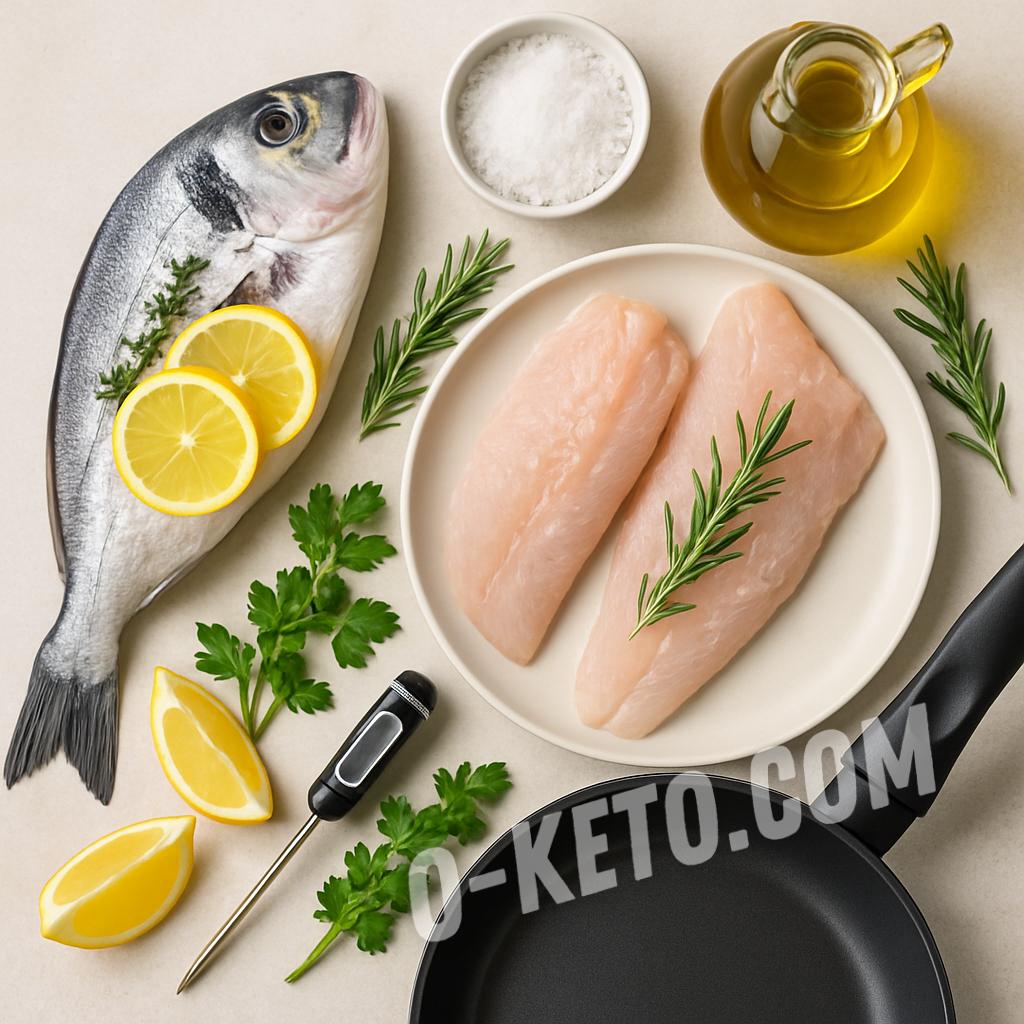
Whole fish works well for roasting, grilling, or cooking in foil. The skin and bones help preserve moisture, so this format forgives small timing errors better than a thin fillet does. Before cooking, the fish should be dried well, the gills removed, and any dark blood clots near the backbone cleaned away for a cleaner taste.
Whole fish usually needs only simple seasoning: salt, black pepper, lemon, dill, thyme, rosemary, and a little olive oil. Heavy or sweet marinades often get in the way rather than helping. They can overpower the natural fish flavor and burn quickly on the surface.
Fillets
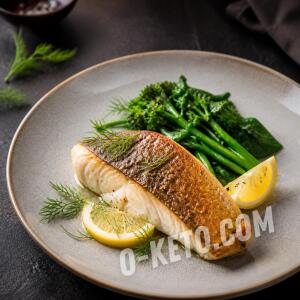
Fillets are cooked by thickness, not by habits borrowed from meat dishes. Thin pieces are done in minutes, especially in a skillet or with steam. Thicker denser pieces need slightly more time, but they still do not like prolonged heat. If a fillet stays on a hot surface after it is done, it loses juiciness quickly.
For pan cooking, the surface of the fillet should be dried thoroughly. If too much moisture remains, the fish steams and sticks instead of searing quickly. Fatty fish can often cook with very little added fat, while leaner fish usually benefits from some oil or a sauce added after cooking.
Salt and a short brine
Salt matters for fish not only as seasoning but also as a way to improve texture slightly. A short brine works well for delicate fillets: roughly 3-4 tablespoons of salt per 500 ml cold water with about 20-30 minutes of resting time. After brining, the fish must be dried well, otherwise the extra moisture will interfere with browning and dilute the flavor.
For whole fish, simple salting inside and outside 10-20 minutes before cooking is often enough. For raw serving, light curing, or tartare, salt is handled more carefully and usually closer to the end because salt and acid tighten the flesh quickly.
Pan, oven, and steam
For pan cooking, the skillet should be properly hot but not smoking harshly. The fish should be laid onto a dry hot surface and allowed to set before you start moving it around. In the oven, whole fish is often cooked at about 200-220 °C so the skin firms up quickly while the center stays juicy. Steam is especially good for tender fillets that are easy to dry out in a pan.
It also helps to remember that fish collagen breaks down earlier than meat collagen, around 50-55 °C. That is why short cooking often gives the best result. Long aggressive heat does not improve fish; it usually turns it dry and crumbly.
How to tell when fish is done
The main sign of doneness is that the flesh in the center has turned opaque and separates easily into larger flakes with a fork. In whole fish, this is easiest to check near the backbone and in the thickest part. With fillets, it is usually better to take the piece off slightly early and let residual heat finish the job than to leave it on the heat until it dries.
If the juices have cleared somewhat, the surface feels firmer, and the flakes open easily, it is time to stop cooking. This matters especially with trout, salmon, and other red fish because they become tender quickly but also lose juiciness quickly if left on the heat for extra minutes.
When you work with larger fish, it helps to decide in advance which parts are best kept as fillets and which are better redirected into another use. Tail sections are often firmer and drier than the back, so they fit especially well into rolls, light cures, minced preparations, and other formats where they can be cooked more gently or paired with fattier fish. Heads, bones, and fins are often more valuable in stock than as a standalone hot dish.
After a light cure or a short salt-and-dry step, fish often benefits from a little surface drying. This removes some excess moisture, makes the flesh feel more collected, and gives a neater texture during later cooking. The difference is especially noticeable with previously frozen fish, which otherwise can stay too watery in a skillet, on a grill, or inside fish rolls.
Matching the fish to the task
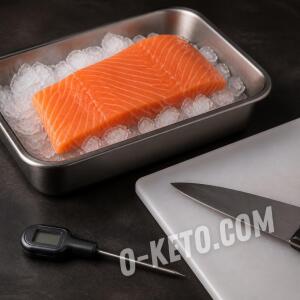
For home curing and versatile breakdown, a larger trout or salmon is especially useful: part can be lightly cured, part can be cooked hot, and the head and backbone can become stock. For a fast dinner, fillets or steaks of similar thickness are easier because everything cooks at the same pace. For stock, the head without gills, bones, and trim are often more useful than a beautiful fillet alone.
When fish is chosen for a specific purpose, cooking becomes much easier. You no longer have to force the same fish to be perfect for roasting, quick pan cooking, and raw serving all at once. The better the shape of the fish matches the method, the better the final texture and flavor will be.
Sauces and serving
Fish pairs best with sauces that support its flavor rather than compete with it. That may be lemon butter, a light herb sauce, a caper sauce, sesame oil for steamed fish, or a soft cream-based finish. A thick heavy sauce is especially poor with delicate white fish because it can completely bury the fish’s own taste.
Fish is best served right away. If it has to wait briefly, it is better to keep the sauce separate and cover the fish loosely so it does not soften from condensation. With fish, the time between doneness and serving matters almost as much as the heat itself.
Sources
- Selecting and Serving Fresh and Frozen Seafood Safely — U.S. Food and Drug Administration
- Safe Minimum Internal Temperature Chart — U.S. Department of Agriculture Food Safety and Inspection Service
- Food Thermometers — U.S. Department of Agriculture Food Safety and Inspection Service
- Cooking: Food Safety for Moms-to-Be — U.S. Food and Drug Administration
- Fish and Fishery Products Hazards and Controls Guidance — U.S. Food and Drug Administration