




Phosphatidylcholine is one of the main phospholipids in cell membranes and one of the most important dietary carriers of choline. It is discussed not only as a structural membrane component, but also in relation to liver function, bile metabolism, fat transport, and the overall condition of tissues that depend on constant membrane repair.
What It Is
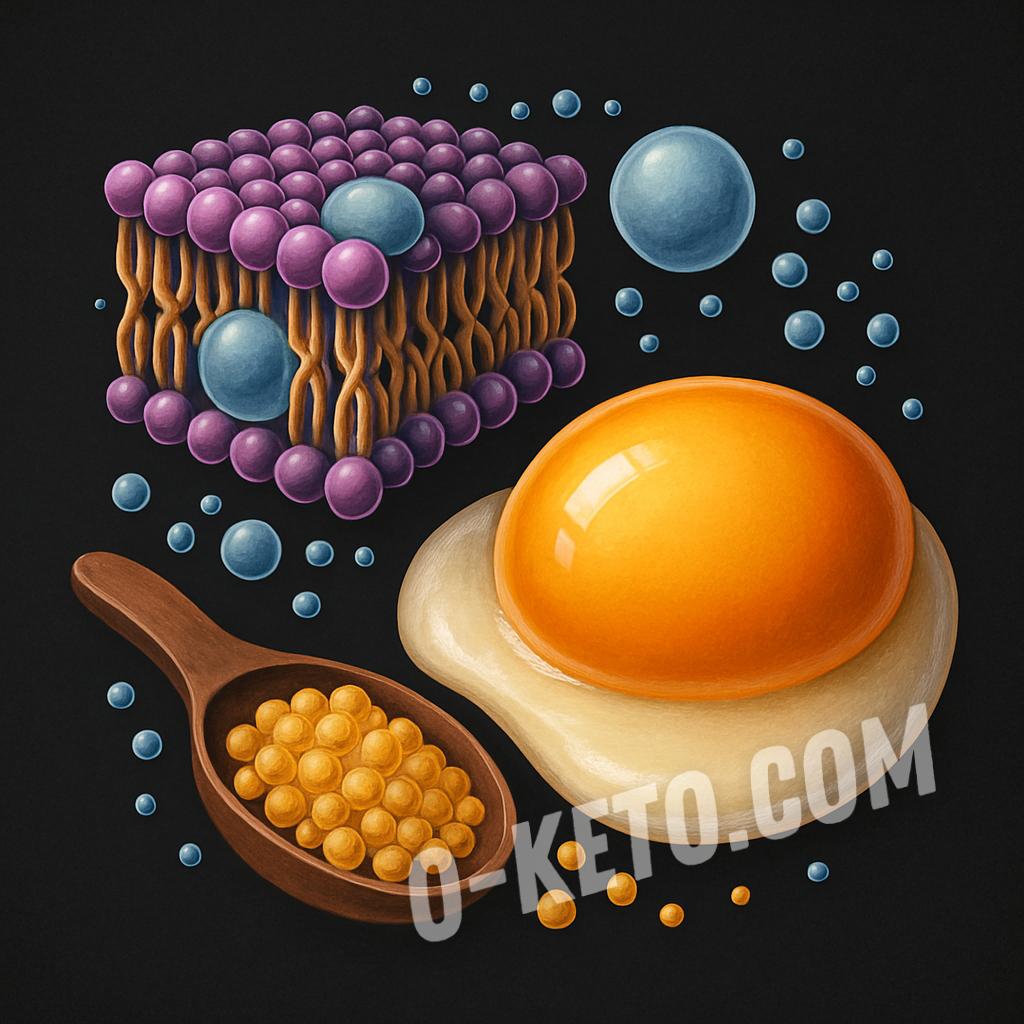
Phosphatidylcholine is part of cellular membranes in virtually all tissues. That is why it is frequently mentioned in discussions about the liver, brain, nervous system, and lipid metabolism. In ordinary food, it comes from eggs, liver, some seafoods, soy products, and lecithin. In supplements, it may appear as an isolated ingredient or as part of lecithin-based formulas.
Why It Matters
The practical significance of phosphatidylcholine comes from the fact that it supports membrane architecture while also supplying a choline moiety for metabolic processes. For that reason, it is commonly considered where membrane fluidity, fat export from the liver, bile production, and gentle nervous system support matter. This does not make it a universal remedy, but it explains why it is often discussed in relation to fatty liver, methylation support, cognitive support, and restoration of cell structures.
Food Sources
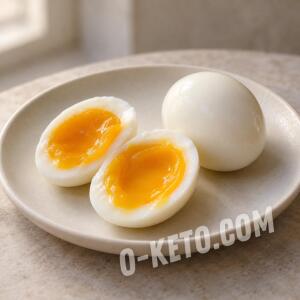
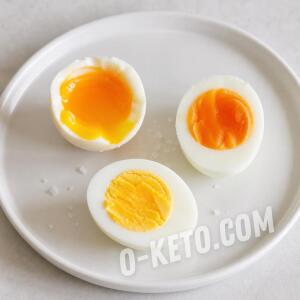
The most concentrated food sources include egg yolk, liver, roe, krill, and products based on soy or sunflower lecithin. Whole-food sources have an advantage because they provide additional phospholipids, fat-soluble compounds, and supportive cofactors together with phosphatidylcholine. Still, supplements are often chosen when a more predictable intake is desired than food alone can provide.
Forms In Supplements
In supplements, phosphatidylcholine can be present within lecithin or in more purified forms, including liposomal formulas. The greater the standardization, the easier it is to understand the real amount of active phosphatidylcholine in a serving. That is why it is better to look not only for the word “lecithin,” but also for the actual phosphatidylcholine content per dose.
When Low Intake Is Discussed
A classic isolated phosphatidylcholine deficiency is rarely diagnosed in everyday practice. More often, the conversation is really about low choline intake, a diet low in eggs and organ meats, impaired bile metabolism, or situations in which the liver struggles with fat export. In such cases, phosphatidylcholine is usually seen as one supportive link rather than the sole explanation.
Excess And Limitations
Large amounts of concentrated forms may lead to digestive discomfort, nausea, heaviness, or sometimes a characteristic body odor when total choline exposure is already high. Extra caution is reasonable in people prone to diarrhea, with soy intolerance, or when supplement use is being considered without taking the broader dietary choline load into account.