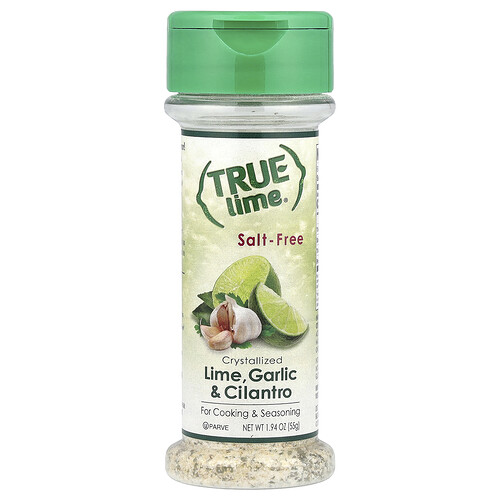
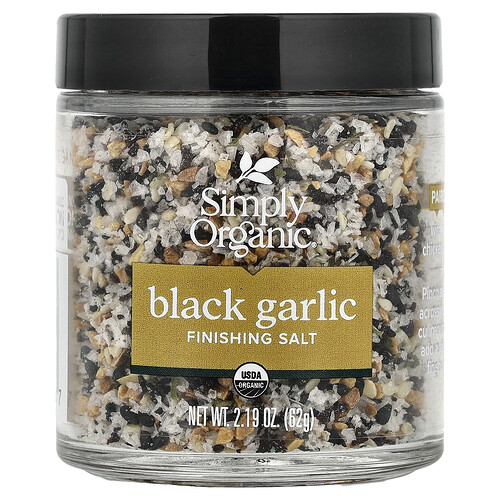
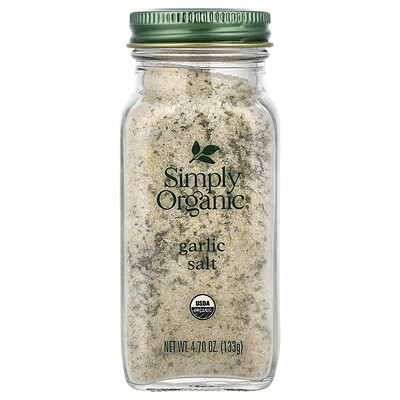
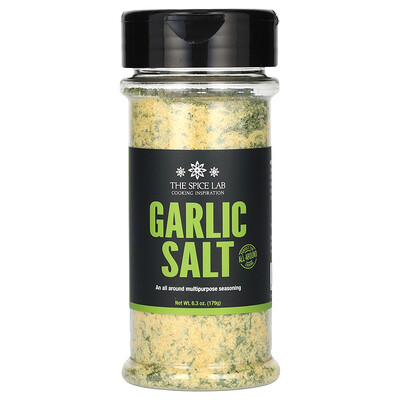
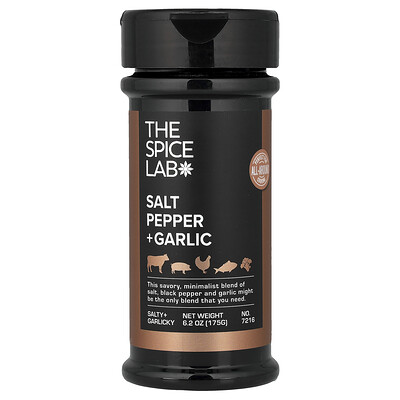
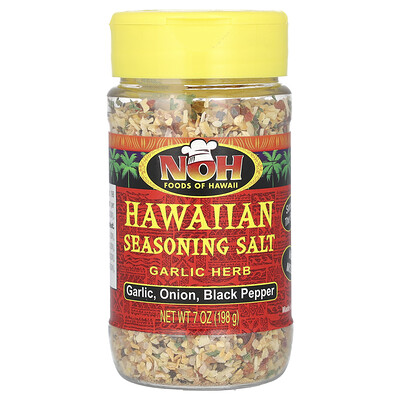
Garlic salt is a mix of salt and dried garlic, sometimes with spices or an anti-caking ingredient. It is not the same as garlic powder: salt usually makes up most of the weight, while garlic provides aroma. A common homemade ratio is simple: 1 part dried garlic and 3 parts salt, then the mixture is ground to a more even texture.
For keto, garlic salt is mainly about ingredient control and sodium amount, not calories. A small pinch contains few carbohydrates, but the garlic part is not zero. If the seasoning is used by tablespoons or together with other salty foods, the problem is usually oversalting and harsh garlic flavor rather than carbohydrates.
Nutrition
The exact composition depends on the salt-to-garlic ratio. More garlic powder or granulated garlic means more aroma and a higher share of dry carbohydrates. More salt means less garlic flavor per gram and a greater chance of oversalting. Universal values per 100 g are therefore not very useful without the exact label.
Plain salt contains no protein, fat or carbohydrates, while dried garlic contains concentrated dry matter from fresh garlic. In an ordinary culinary serving, this is seasoning, not a vegetable portion. For strict counting, it is easier to weigh a homemade mix or use the label of the exact product.
Is It Keto-Friendly?
Garlic salt fits keto as a seasoning if it contains no sugar, starch, flour, crumbs, maltodextrin or sweet flavorings. It quickly adds flavor to meat, fish, eggs, unsweetened cottage cheese, vegetables, salad dressings and creamy sauces.
The main mistake is using it like plain garlic powder. If a recipe already contains salt, soy sauce, cheese, bacon, pickled foods or prepared broth, garlic salt should be added very carefully. In such cases, separate garlic powder and separate salt give better control.
How to Use It
Garlic salt works where both saltiness and garlic background are needed. It is convenient in dry rubs for meat, sprinkled over finished fish, mixed into sour cream sauce or used in marinade. In hot oil, fine garlic can darken quickly, so for high-heat frying it is better added near the end.
Practical options include:
- dry rub for chicken, pork or fish;
- sour cream sauce with dill and lemon;
- seasoning for roasted cauliflower;
- an addition to omelet or cheese filling;
- marinade with oil, pepper and sugar-free vinegar.
How to Choose and Store
The best ingredient list is short: salt and dried garlic. Herbs or spices may be acceptable if they are wanted for flavor. Sugar, dextrose, starch, flour, unclear flavor enhancers and flavorings that hide weak raw material are undesirable. If the garlic ratio is shown, the seasoning is easier to dose.
Store the mix in a dry closed jar away from steam. Moisture turns salt into clumps, and garlic loses its clean aroma. Homemade garlic salt is better made in small batches. If the smell becomes musty or rancid, the mix will no longer give a clean flavor.
Limits and Substitutes
Garlic salt is not suitable when salt needs to be strictly limited by personal guidance. Garlic may also be inconvenient with sensitive digestion, FODMAP sensitivity or strong reactions to sharp seasonings. Start with a pinch because adding more is easier than fixing oversalting.
It can be replaced with garlic powder plus separate salt, granulated garlic, fresh garlic, herb salt, onion powder or a mix of paprika, pepper and herbs. If only garlic aroma is needed without extra salt, garlic powder is more precise.
Portion and Common Mistakes
For one serving, a pinch or 1/4 teaspoon is usually enough. If the mix is homemade, write the ratio on the jar: a month later it is easy to forget how much salt and garlic it contains. A common mistake is salting a dish with plain salt and then adding garlic salt “for aroma.” The flavor quickly becomes rough, especially in cheese and meat dishes.
How to Dose It in Finished Food
Garlic salt is best added in two steps: first a very small amount during cooking, then a final check before serving. Salt can taste softer in a hot dish and sharper after cooling. This is especially noticeable in cheese sauces, roasted meat and cold dressings.
If more garlic aroma is needed, increasing garlic salt is not always the right move. It is often more precise to add separate garlic powder, fresh herbs, lemon zest, pepper or a little garlic-infused oil. This strengthens flavor without extra sodium and without risking oversalting the whole serving.