


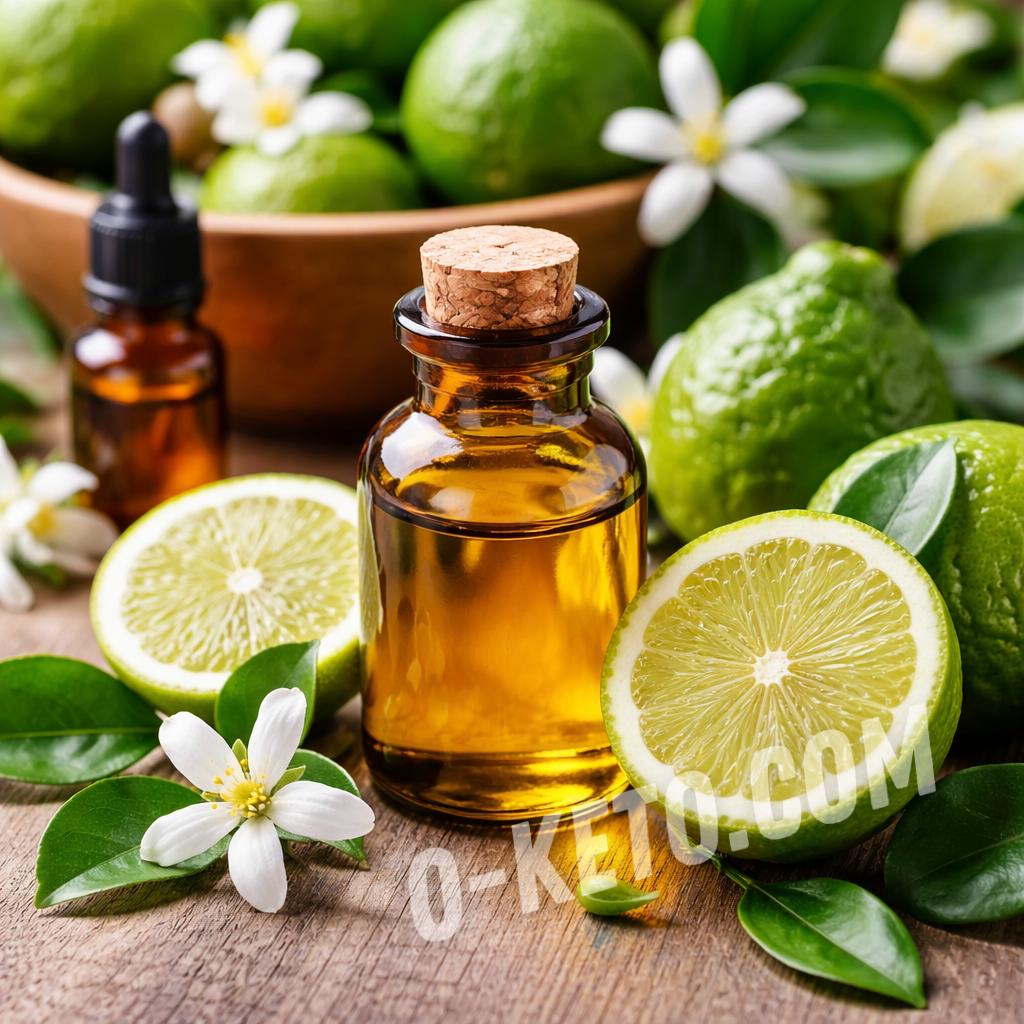

Bergamot essential oil is obtained from the peel of the fruit of the citrus tree Citrus bergamia. It has a bright fresh aroma with a characteristic bitter-spicy note and has been used for centuries both in everyday life and in natural healing systems.
The oil is valued for its combination of psycho-emotional effects, antiseptic properties, and gentle influence on metabolic and nerve processes.
Today, bergamot essential oil is widely used in aromatherapy, cosmetology, skincare, and as an auxiliary means to support the nervous system.
History and Origin
Bergamot is traditionally associated with southern Italy, particularly the Calabria region, where the main plantations of this plant are still concentrated.
Citrus bergamia is believed to be a hybrid of lemon and bitter orange.
The first mentions of bergamot date back to the 16th century when it began to be used not only as an aromatic additive but also as a medicinal remedy.
In the 18th century, bergamot became a key ingredient in perfumery. Its aroma formed the basis of classic colognes and is still used in perfume compositions. At the same time, the oil was used in folk medicine to support digestion, treat skin, and stabilize emotional states. The traditional method of obtaining the oil is cold pressing of the fruit peel, which preserves the volatile active compounds.
Composition and Physiological Properties
Bergamot essential oil has a complex chemical composition. The basis consists of monoterpenes and their derivatives, which determine both the aroma and the biological action of the oil.
The key components provide a gentle effect on the nervous system, skin, and microbial balance.
Bergamot oil is known for its regulating effect on emotional background. It can reduce tension levels, promote relaxation, and improve mood.
At the same time, the oil exhibits antiseptic and anti-inflammatory properties, making it useful for skincare and mucous membranes.
Main Effects of Bergamot Essential Oil:
- reduction of psycho-emotional tension and anxiety;
- support for sleep quality and relaxation;
- antiseptic and cleansing action;
- support for skin condition in inflammatory elements;
- gentle stimulation of digestive processes.
Use in Aromatherapy and Everyday Life
In aromatherapy, bergamot essential oil is used as a means to normalize emotional states. Its aroma helps reduce stress levels, improve concentration, and create a sense of inner balance.
The oil is often used in diffusers, individual inhalations, and aromatic blends.
In body practices, bergamot oil is added to massage blends based on carrier oils. This application promotes muscle relaxation, improves microcirculation, and provides an overall sense of comfort.
It is important to maintain moderate concentrations and dilute the essential oil beforehand.
Use in Skincare
Due to its antiseptic and sebum-regulating properties, bergamot essential oil is used in cosmetic products for oily and problematic skin. It can be included in creams, masks, and lotions to reduce the severity of inflammatory elements and normalize skin condition.
When applied externally, it is important to consider the photosensitizing effect of the oil. After applying products with bergamot, it is not recommended to expose the skin to direct sunlight for several hours.
Culinary and Household Use
In minimal amounts, bergamot essential oil is used to flavor beverages and desserts. The most well-known example is bergamot tea.
When used in cooking, high dosing accuracy is required, as the oil is a concentrated product.
Main Methods of Use
- aromatherapy using a diffuser or inhalations;
- massage in oil blends;
- skincare in cosmetic products;
- flavoring beverages and desserts.


