


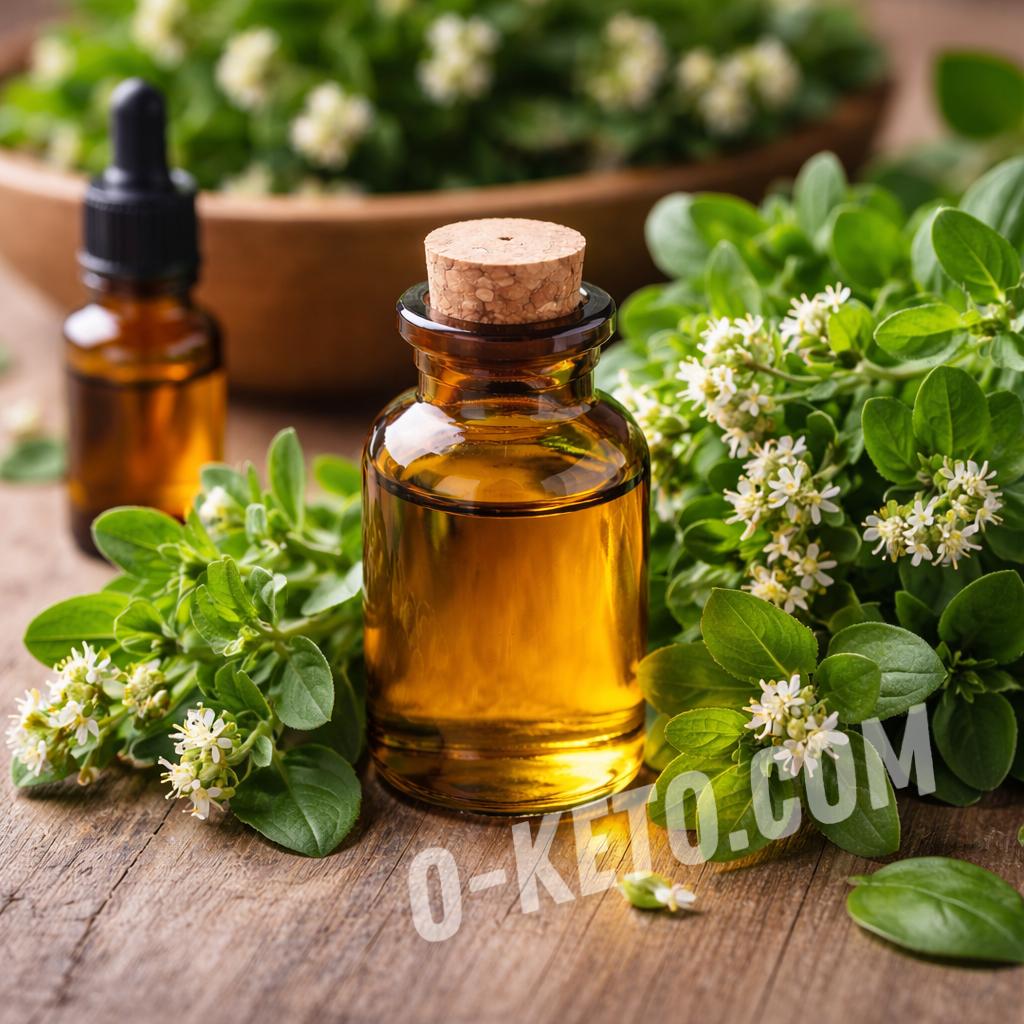

Marjoram essential oil is obtained from the leaves and flowers of the Origanum majorana plant. It is characterized by a warm, soft, slightly sweet-spicy aroma and has been used for a long time both in everyday life and in natural healing systems.
The oil is valued for its ability to relax the nervous system, support digestion, and provide gentle anti-inflammatory effects.
Today, marjoram essential oil is used in aromatherapy, body practices, skincare, and cooking.
History and Origin
Marjoram is a traditional plant of the Mediterranean and the Middle East. Its use dates back to the ancient civilizations of Egypt, Greece, and Rome. In antiquity, marjoram was considered a symbol of happiness, harmony, and prosperity. It was used in rituals, wedding ceremonies, and in everyday life as an aromatic and medicinal plant.
In Ancient Egypt, marjoram was used in embalming and religious ceremonies. In Greece and Rome, the plant was valued for its calming effects and was used for nervous tension and digestive disorders. In the Middle Ages, marjoram spread across Europe and became an important culinary and medicinal herb.
Marjoram essential oil began to be obtained through steam distillation. Over time, it became used in folk medicine, aromatic blends, and herbal infusions. Today, the oil is produced in Mediterranean countries, North Africa, and the Middle East.
Composition and Physiological Properties
Marjoram essential oil has a rich and balanced composition. It predominantly contains monoterpenes and their derivatives, which determine the characteristic relaxing and warming effects of the oil. Due to this composition, marjoram affects both the nervous system and smooth muscles.
The oil is known for its gentle sedative effect, ability to reduce muscle and emotional tension, and support normal digestive function.
Additionally, it exhibits antiseptic and anti-inflammatory properties.
Main Effects of Marjoram Essential Oil
- relaxation of the nervous system and stress reduction;
- support for sleep quality and emotional balance;
- gentle antispasmodic action;
- support for digestion and reduction of discomfort;
- anti-inflammatory and antiseptic action.
Use in Aromatherapy
In aromatherapy, marjoram essential oil is used as a means for deep relaxation and recovery after emotional and physical stress. Its aroma is warm, enveloping, and calming, making the oil often used in evening practices and before sleep.
Marjoram is well-suited for diffusers, individual inhalations, and aromatic baths. It is often combined with lavender, sweet orange, bergamot, and sandalwood.
Use in Body Practices and Care
Marjoram essential oil is widely used in massage blends. It helps relax muscles, reduce feelings of tightness, and promotes recovery after physical exertion. The oil must be diluted in a carrier oil before applying to the skin.
In skincare, marjoram is used less frequently but can be included in products for sensitive and tension-prone skin, especially in massages and body care.
Culinary Use
In cooking, marjoram is known as a spice with a mild, warm flavor. Essential oil is used exclusively in microdoses for flavoring dishes.
It pairs well with meat, vegetables, legumes, and soups, enhancing the taste and aroma of the finished dish.
It is recommended to add essential oil at the very end of cooking, strictly adhering to minimal dosages.
Precautions
Marjoram essential oil is a concentrated product and requires careful application. It should not be used undiluted on the skin.
Before the first use, a test for individual sensitivity should be conducted.
It is not recommended to use the oil in large doses or for extended periods without breaks.
During pregnancy and chronic conditions, use should be coordinated with a specialist.


