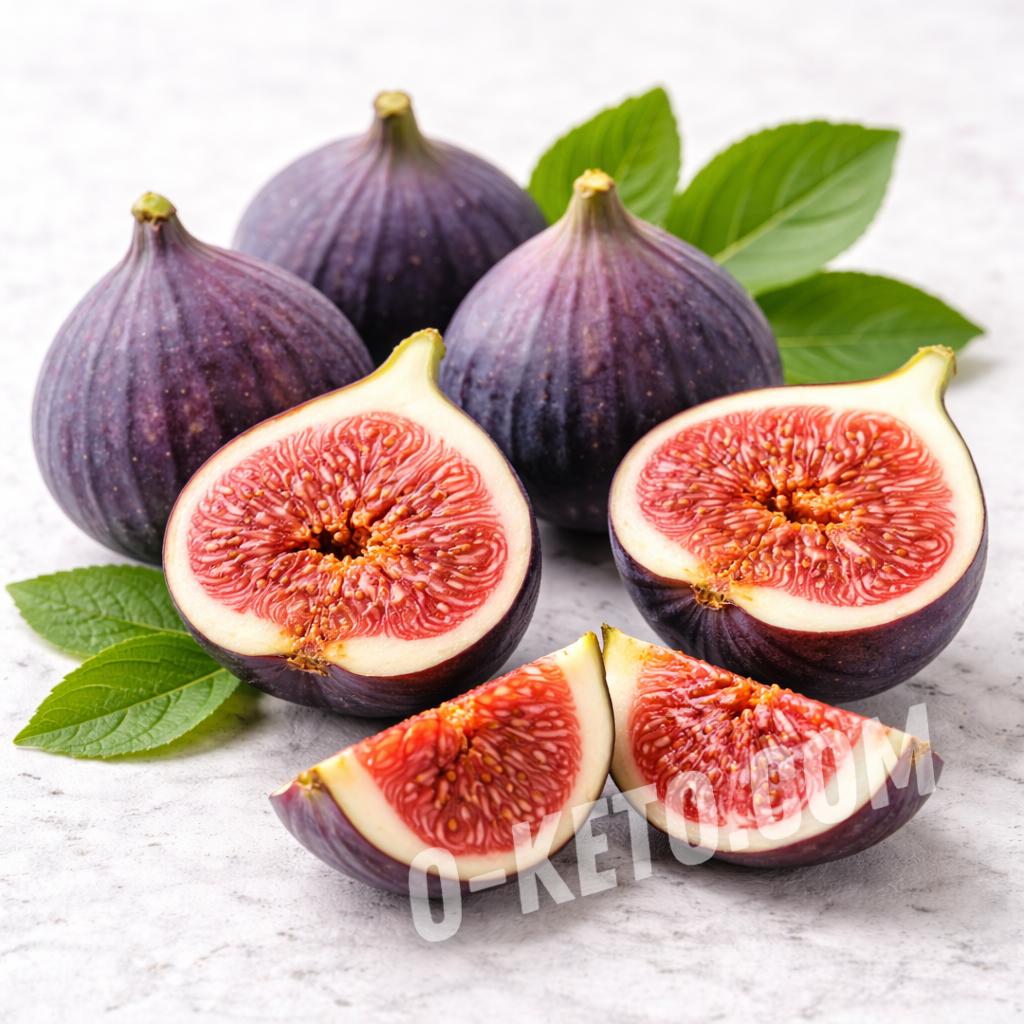

Fig — a sweet fruit of the fig tree, known to humans since ancient times. It is valued for its soft flesh, rich flavor, and high natural sugar content. Figs are consumed fresh and dried, used in desserts, snacks, and sauces. Due to its rich composition, this fruit occupies a special place in the cuisine of many countries.
History and Origin
Fig is considered one of the oldest fruit crops. Its homeland is the regions of the Middle East and the Mediterranean, where fig trees were cultivated thousands of years ago. Over time, the culture spread to Southern Europe, the Caucasus, Central Asia, and other warm regions.
In various cuisines around the world, figs have been used both as a standalone product and as an ingredient in complex dishes. Due to their high natural sweetness and good shelf life, especially when dried, they have long remained an important part of the diet in southern countries.
Nutritional Value
Fresh figs contain a moderate amount of calories, a small amount of protein and fat, while the main part of their composition consists of carbohydrates. On average, per 100 g of fresh product, there are:
Figs also contain dietary fiber, organic acids, and various trace elements. In dried form, the concentration of sugars and calories is significantly higher.
Main Vitamins and Minerals:
- potassium helps regulate water-electrolyte balance;
- magnesium is involved in metabolic processes and muscle function;
- calcium is necessary for bone tissue;
- B vitamins are involved in energy metabolism;
- polyphenols contribute to the antioxidant protection of cells.
Health Benefits
Figs contain dietary fiber, which aids in the functioning of the digestive system and helps create a feeling of fullness. The fruits also contain potassium and magnesium, which are involved in metabolic processes and the functioning of the muscular and nervous systems.
Due to the presence of polyphenols and other plant compounds, figs contribute to the antioxidant protection of the body. The fully ripe fruit is usually considered the most flavorful and rich in composition.
Figs in a Low-Carb Diet
Due to their relatively high natural sugar content, figs are usually limited in low-carb and keto diets. Even fresh fruits contain a noticeable amount of carbohydrates, so they are used in small portions and not very often.
Dried figs are typically not used in low-carb diets, as their sugar concentration is significantly higher. In low-carb nutrition, figs are more often considered a rare flavor addition rather than a main fruit.
Culinary Uses:
- consumption fresh;
- addition to cheese and meat snacks;
- use in desserts;
- preparation of sauces and jams;
- drying for long-term storage.
Thanks to their rich flavor, soft texture, and versatility, figs remain one of the most recognizable fruits of Mediterranean and Eastern cuisine.