


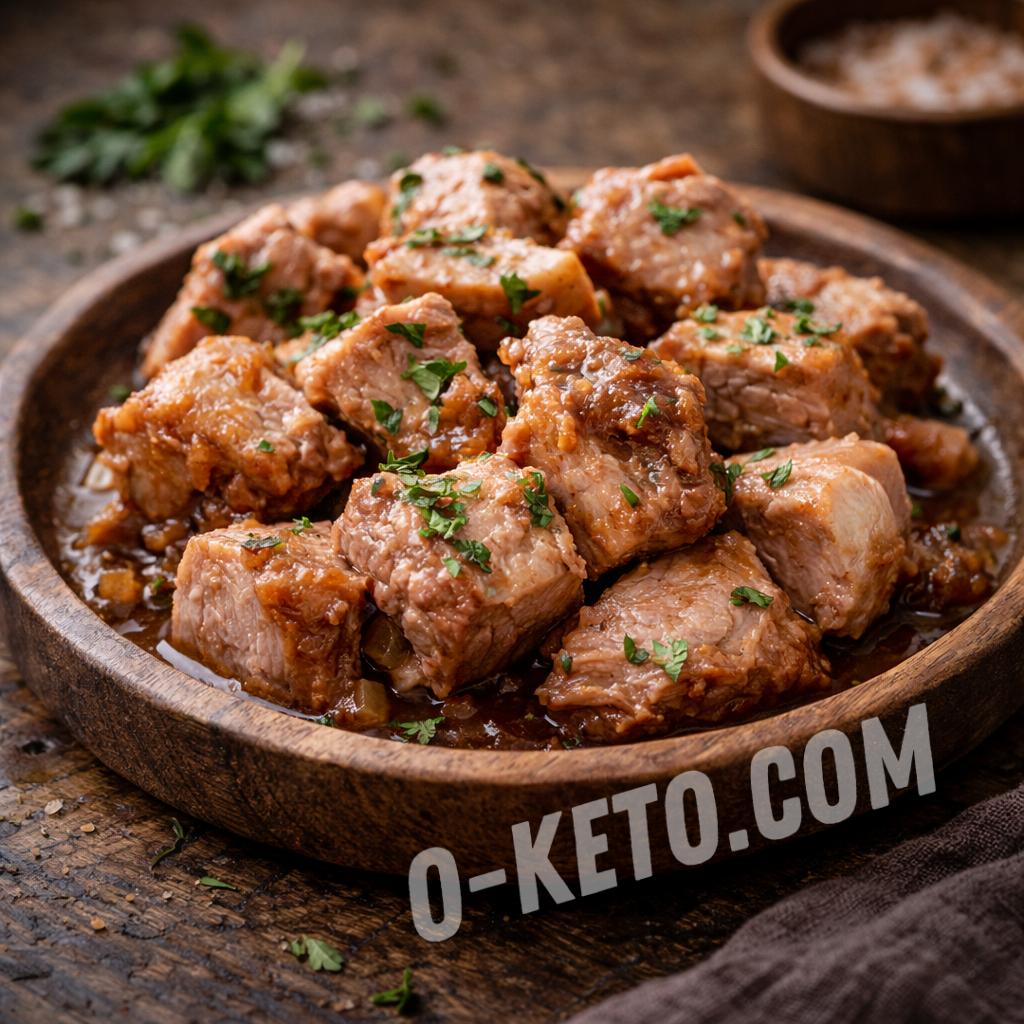

Udder is an offal product from the mammary glands of cattle, most often cow. It is rare in modern urban cooking, but it has long been used in traditional home dishes: boiled, stewed, fried after pre-cooking, added to fillings, and used in thick meat stews.
Its texture differs from other offal, heart, and tongue. Udder is softer, fattier, and after long boiling becomes tender, almost creamy in mouthfeel. The taste is mild, so it takes onion, garlic, pepper, bay leaf, cream sauces, and acidic additions well.
Nutritional value
In 100 g of cooked udder there are usually about 220–260 kcal, 18–20 g protein, 16–18 g fat, and 1–2 g carbohydrates. Values depend on the animal, amount of fatty tissue, boiling time, and whether the product is fried after boiling.
It contains vitamin B12, vitamin A, iron, zinc, selenium, and other nutrients typical of meat offal. This is not lean meat, but a fairly fatty product, so the portion is usually smaller than with ordinary beef or poultry.
Is it suitable for keto?
Udder can fit keto and LCHF because it contains almost no carbohydrates. But it already has a noticeable amount of fat, so it does not always need to be covered with extra oil or cream. For strict tracking, the portion and cooking method matter.
A keto dish with udder is better made without flour, breading, sweet sauces, or potato side dishes. Stewed cabbage, salad, mushrooms, cucumbers, herbs, cauliflower, zucchini, or sugar-free pickled vegetables work well. If the product is fried after boiling, the oil should be counted separately.
How to prepare it
Before cooking, udder is thoroughly rinsed, rough membranes and excess fat are removed, and it can be soaked in cold water if the smell is pronounced. Then it is usually boiled for 1.5–2.5 hours until tender. Salt is added closer to the end, with bay leaf, pepper, onion, or roots for a cleaner taste.
The cooked udder is better cooled in the broth, then sliced or diced. This helps it keep shape and crumble less. If frying is planned, the pieces should be dried: a wet surface prevents browning and makes the product stew instead of fry.
How to use it
The simplest method is to boil udder until tender, slice it, and quickly fry with onion, pepper, and butter. It is also stewed in flour-free cream sauce, added to meat stews, used as a filling for savory pies, or served cold with mustard and herbs.
For keto, versions with mushrooms, sour cream, cream, garlic, dill, parsley, and stewed cabbage are especially convenient. Acidity balances fattiness: a little lemon juice, wine vinegar, pickled cucumber, or sauerkraut makes the dish lighter in taste.
The broth from the first boil is usually not used as the main soup base: it can be fatty and have a specific smell. If the aroma is clean, a little strained broth can be added to sauce, but fresh water, meat broth, or cream is often more convenient.
How to choose
Fresh udder should smell clean, without sour, ammonia-like, or musty notes. The color is usually light pink or creamy, and the surface is moist but not sticky. Heavy slime, gray spots, sharp sourness, and darkening are reasons not to buy it.
It is better to buy from a seller who keeps the cold chain and can say when the product was obtained. Offal spoils faster than many dry or frozen foods, so freshness matters more than a neat appearance.
Limitations
Udder does not suit everyone by taste or tolerance. In sensitive people, fatty offal may cause heaviness or discomfort, especially if the portion is large or the dish is fried. It is better to start with a small amount.
The product needs thorough cooking and careful storage. Insufficient heating, long storage at room temperature, and repeated reheating over several days worsen quality and increase spoilage risk.
How to store it
Chilled udder is best cooked on the day of purchase or the next day. Boiled product is kept in the refrigerator in a closed container and used quickly. For longer storage, it can be frozen in portions, but after thawing the texture becomes softer and more watery.
What can replace it?
By role in a dish, udder can be replaced with beef tongue, heart after long stewing, tripe, beef cheek, chicken gizzards, or another offal with a firm texture. By softness, tongue and well-cooked cheek are closest; by fattiness, some beef trimmings are closer. There is no full match, so replacement depends on the cooking method.


