


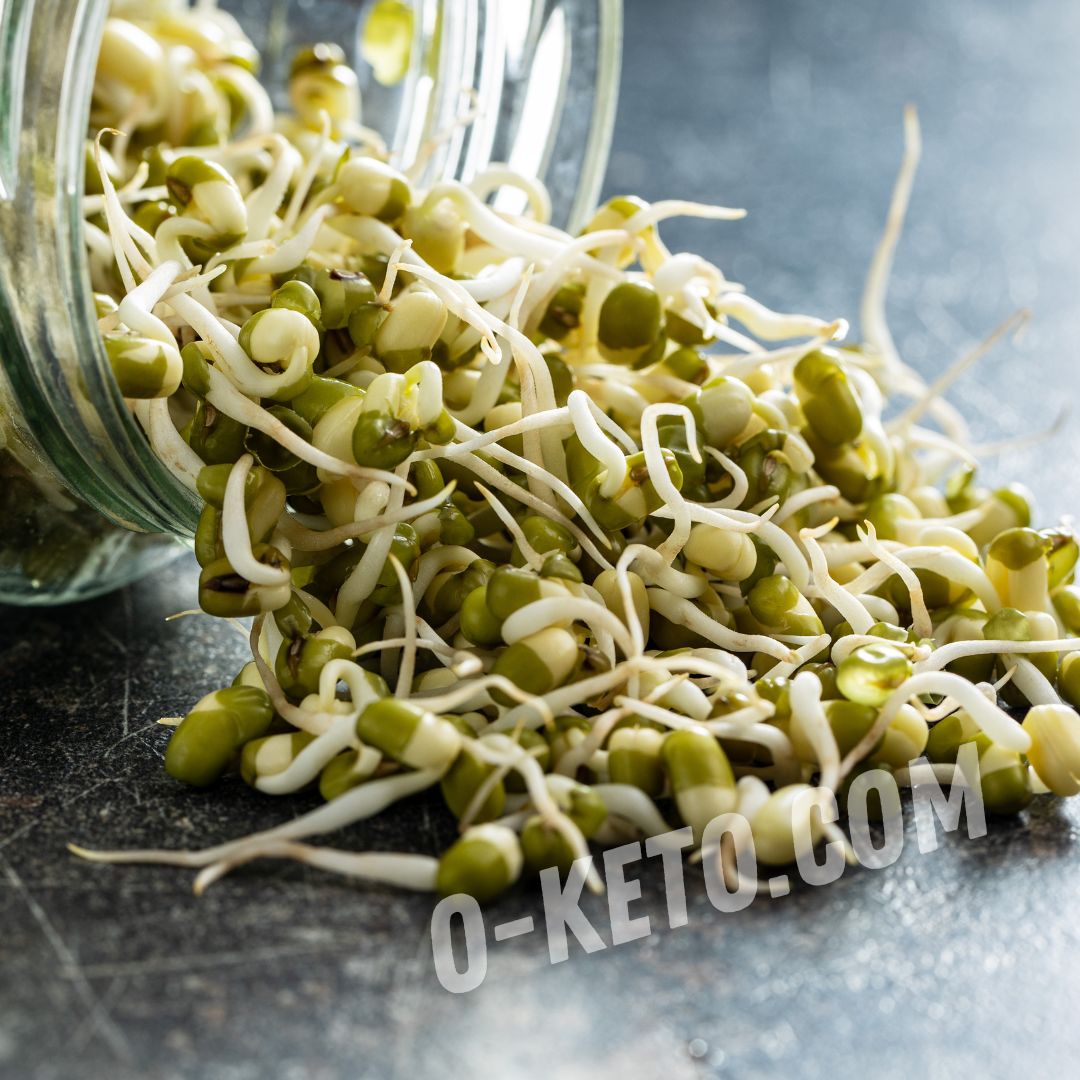
Sprouting mung beans
A source of plant protein and fiber, sprouted mung bean helps improve digestion and enriches the body with B vitamins. It has a delicate taste and a crunchy texture, making it perfect for salads.

Read
Video on the topic
Reviews
Notes
Kitchen: Indian
59
Digestion time: 4 hour
Thoroughly rinse the mung beans (50 g) under running water. Then, place them in a container and pour boiling water over them.
Leave the mung beans to soak overnight for better swelling.
In the morning, rinse the mung beans again, then place them in a jar with a lid for sprouting. It’s important to ensure adequate ventilation while protecting them from direct sunlight.
Rinse the mung beans twice a day – in the morning and in the evening – using running water through the jar lid.
The sprouts will be ready in 12 hours.
(7)
- : , ,
- : ,
- :
- : , ,
- :
- : ,
- : ,
Used in recipes


Any remaining questions? Ask chatGPT.:
If you have any questions about the recipe "Sprouting mung beans", you can ask them to AI. Please note, a low-cost OpenAI model is used. It may answer questions about disease treatment with errors!
Ask a question
Looking for a source of nutrients? Check out iHerb:


Vitamin B9: NOW Foods, Methyl Folate, 5,000 mcg, 50 Veg Capsules
Buy
≈ $39.4


Copper: Solgar, Chelated Copper, 100 Tablets (2.5 mg per Tablet)
Buy
≈ $6.18


Iron: Bluebonnet Nutrition, Chelated Iron, 18 mg, 90 Vegetable Capsules
Buy
≈ $13.26


Phosphorus: NOW Foods, Bone Strength™, 240 Capsules
Buy
≈ $25.27


Vitamin B1: Lake Avenue Nutrition, Benfotiamine with Thiamine, 250 mg, 120 Veggie Capsules
Buy
≈ $20.53
Promo codes for iHerb (6)
More vegan dishes:More recipes


Watch others fermentation and pickling:


We recommend reading
All articlesHow to Brew Coffee at Home: French Press, Cezve, V60, Chemex, AeroPress, Cold Brew, Water, Grind, Temperature, and Extraction
6min

How to Use Apple Cider Vinegar: What It May Do and How to Avoid Harm
6min

How to reduce pesticide and microplastic exposure from food and packaging
7min

What Types of Sweeteners Are There: Sugars, Polyols, Glycosides, and Sweet Proteins?
13min
Share: