


E231 (ortho-phenylphenol)
Orthophenylphenol is a surface antifungal preservative linked mainly to citrus peel treatment, not to carbohydrate content or ordinary recipe ingredients.
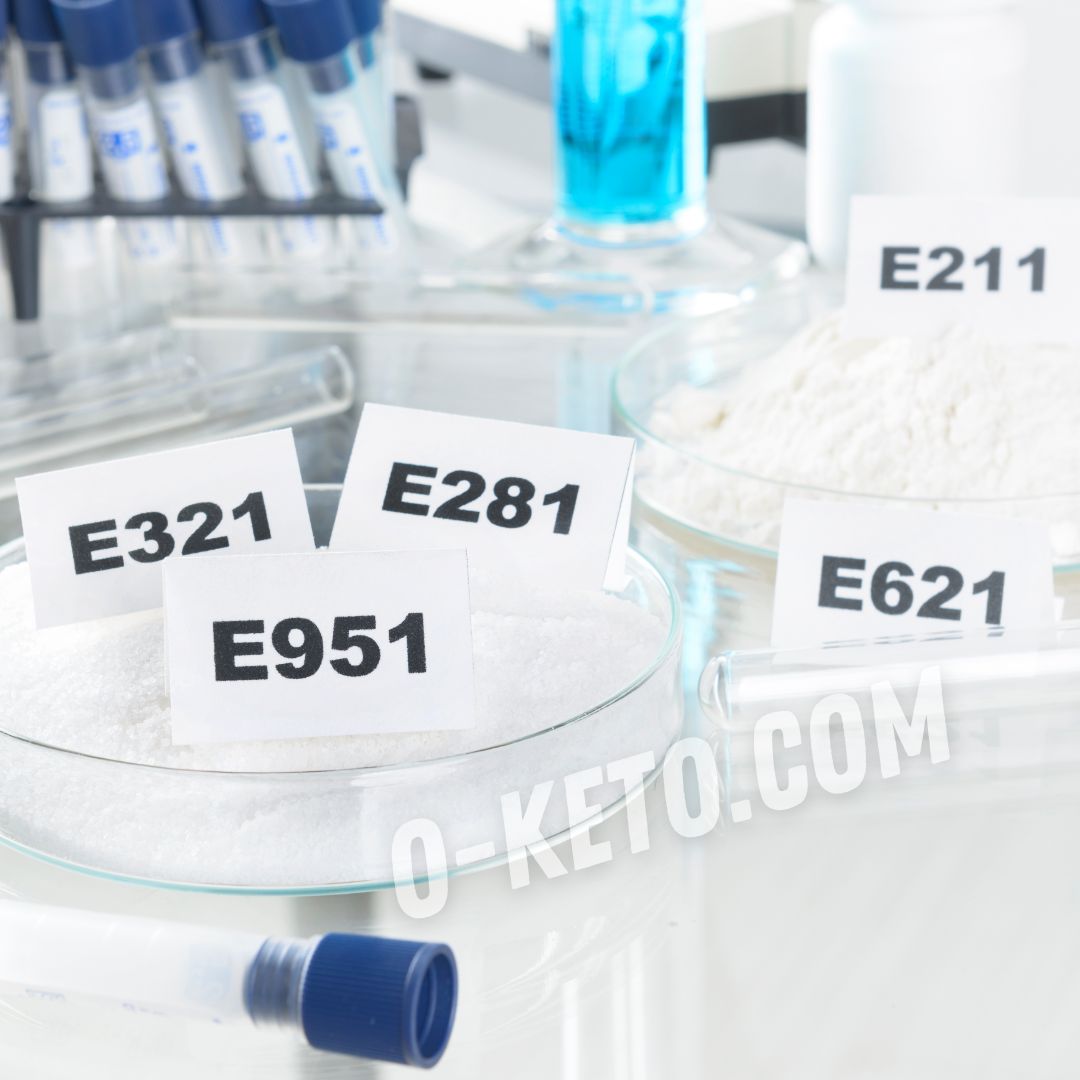
E231 is orthophenylphenol, or 2-phenylphenol, a synthetic phenolic compound with antifungal action. Historically it was used as a preservative for the surface treatment of citrus fruit to reduce mold during storage and transport. This is not the kind of additive normally added to dough, drinks, or sauces for taste, color, or texture. E231 is mainly about peel, post-harvest treatment, and whether zest is suitable for consumption.
How E231 differs from E230 and E232
E230 is biphenyl, E231 is orthophenylphenol, and E232 is the sodium salt of orthophenylphenol. All three codes have historically been linked with citrus peel treatment against mold, but they are chemically different substances. Orthophenylphenol is a phenolic compound and is also known as a biocide in non-food uses. It should therefore not be described as an ordinary harmless preservative without surface-treatment and regulatory context.
In modern European regulation, E231 is not treated as an ordinary approved food additive for free use in foods. Citrus peel treatment is more often discussed through post-harvest substances, residues, labeling, and separate rules for pesticides or biocides. Older E-number tables may therefore look contradictory: some still describe E231 as a preservative, while in the current food context its status is much stricter.
Why it matters for low-carb cooking
E231 is not directly related to sugar, starch, or ketosis. But low-carb recipes often use lemon, orange, or lime zest to add aroma without sugar. At that point, peel becomes an ingredient rather than waste. If citrus fruit has been treated with substances not intended to be eaten with the peel, that zest should not be used in desserts, sauces, marinades, or drinks.
For citrus flesh, the issue is different: the fruit is usually peeled and the peel discarded. Even then, washing before peeling matters because a knife or hands can transfer surface contamination to the flesh. If a recipe requires finely grated zest, peel infusion, marmalade, candied peel, or a drink with peel, the fruit should have clear edible-peel labeling or come from a reliable source intended for that use.
How to read labeling
Citrus packaging may mention post-harvest substances, warn that the peel is not edible, or state that the peel is suitable for consumption. This is more practical than memorizing only the E231 code. Wording may differ between countries and imported fruit. Sometimes the buyer sees the substance name rather than the E-number, or a general warning about surface treatment.
If labeling is unclear, it is better not to use the peel. For juice, pulp, or peeled slices, the fruit can be washed carefully and peeled. For zest in keto baking, sauces, and infusions, the better choice is a product where peel consumption is clearly intended. Washing is useful, but it does not turn every treated surface into a safe zest ingredient.
Practical conclusion
E231 should be understood as a marker of surface antifungal treatment of citrus fruit, not as a nutrient or carbohydrate issue. It does not make a food sweet and does not affect macros, but it can be crucial when the peel is used. For LCHF this is especially relevant because zest is a convenient way to add bright flavor without sugar.
The simplest strategy is not to use zest from fruit of uncertain treatment, to read labeling, to choose fruit with edible peel, organic, or similarly clear labeling where reliable, and to wash fruit before peeling. If there is doubt, it is better to replace zest with a safer flavoring, a small amount of juice, or a verified peel source than to risk surface residues for the sake of aroma.
For the buyer, E231 usually matters not in the citrus flesh but on the surface of the fruit. If zest is used in a dessert, sauce, marinade or drink, peel treatment becomes a key detail: the fruit should be washed thoroughly, and for regular zest use it is better to choose citrus sold without surface preservatives. Eating peeled fruit and grating the peel into a dish are different exposure situations.
If you have any questions about the term "E231 (ortho-phenylphenol)", you can ask them to AI. Please note, a low-cost OpenAI model is used. It may answer questions about disease treatment with errors!


 1 / 4
1 / 4


 1 / 4
1 / 4 1 / 4
1 / 4 1 / 4
1 / 4