


Epigallocatechin
A green tea catechin without a gallate group; it differs from EGCG and matters as part of the tea polyphenol profile, not as a separate treatment or mandatory keto supplement.
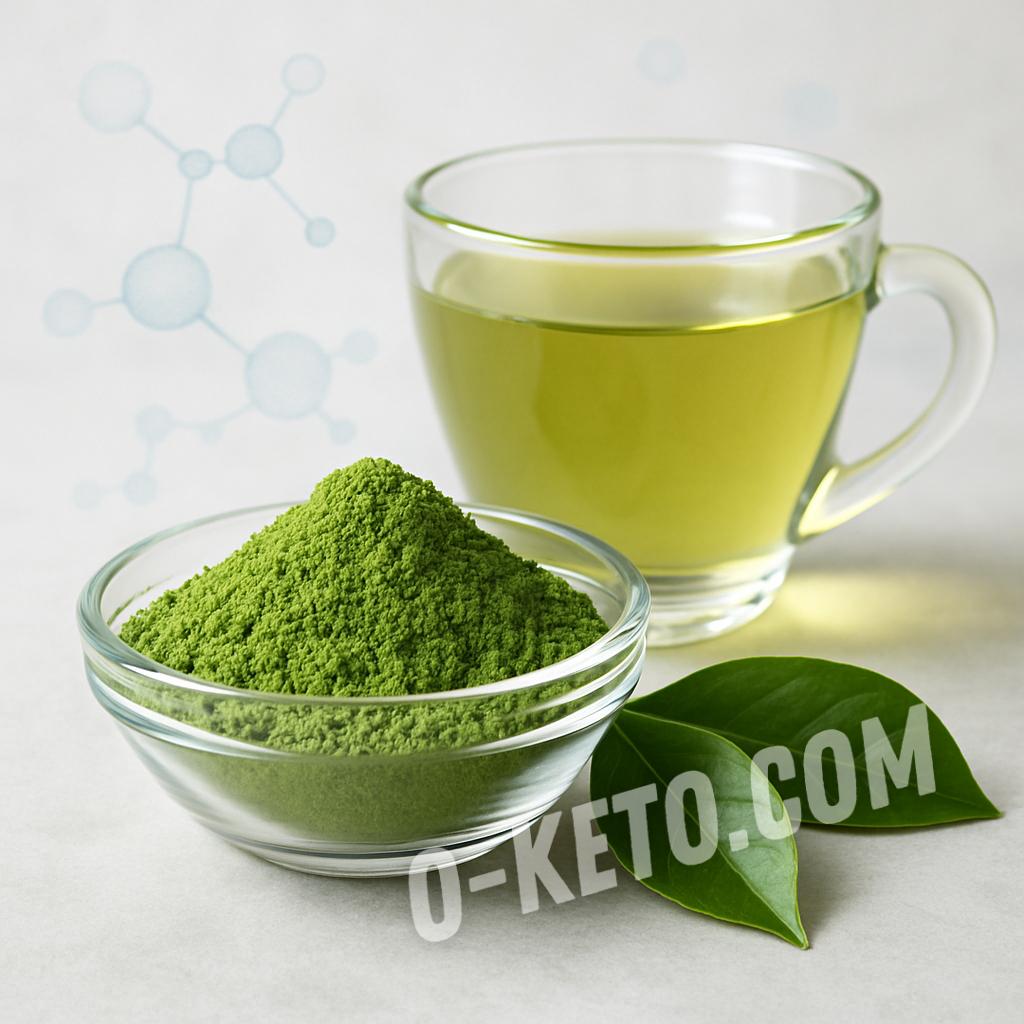
Epigallocatechin, or EGC, is a green tea catechin from the flavan-3-ol family. It is often confused with EGCG, epigallocatechin gallate, because the names are similar and both are tea catechins. But EGC does not contain a gallate group, so it differs in structure, stability, metabolism, and activity. It matters not as a separate supermolecule but as part of the complex polyphenol mixture of tea.
How EGC differs from EGCG
EGCG usually receives more attention because it is one of the most studied catechins in green tea. EGC is less fashionable, but that does not make it useless. Different catechins work in a mixture: they influence taste, astringency, oxidative potential, microbial transformations, and the overall biological response. One catechin should not be selected and made responsible for the entire effect of tea.
The absence of a gallate group makes EGC more water-soluble and changes its behavior in the body. It is metabolized faster, can form different conjugates, and may interact differently with the microbiota. This matters for supplements: a high dose of one catechin does not reproduce a cup of tea, where EGC, EGCG, ECG, caffeine, theanine, minerals, and aromatic compounds arrive together.
Food sources
The main source of EGC is green tea, especially when the leaves have not undergone heavy fermentation. White tea and some oolongs can also contain meaningful catechin amounts. Black tea has a different profile: some catechins are oxidized into theaflavins and thearubigins. Water temperature, steeping time, and leaf amount influence catechin content in the cup, but a stronger infusion is not always better for tolerance.
For low-carbohydrate eating, tea is convenient when consumed without sugar and syrups. It adds almost no carbohydrate, can replace sweet drinks, and helps broaden the polyphenol background of the diet. But if a person poorly tolerates caffeine, has reflux, anxiety, or insomnia, green tea may not be the best option. Polyphenols can then come from greens, spices, cocoa, olive oil, and tolerated berries.
Tea quality matters as well. Old tea, poorly stored leaves, flavored blends with sugary additions, and bottled tea drinks are very different from fresh unsweetened leaf tea. Catechins are sensitive to processing, light, air, and time. The practical source of EGC is therefore not any label that says tea, but a proper tea that smells fresh, is not stale, contains no sweet additives, and fits the person’s caffeine tolerance.
Antioxidant and metabolic effects
EGC is studied in relation to oxidative stress, inflammatory signaling, vascular function, microbiota, and glucose metabolism. But the phrase powerful antioxidant oversimplifies the topic. In the body, catechins do not simply float around as shields against free radicals. They are metabolized, transformed by microbes, influence enzyme systems, and act as gentle food signals. The effect depends on regularity, dose, and the overall nutritional state.
Starting keto does not create a special requirement for EGC. Oxidative stress on a low-carbohydrate diet depends on food quality, sleep, calorie deficit, inflammation, training, smoking, and disease. Green tea can be a pleasant part of the diet, but it is not mandatory cellular protection for keto. Adequate protein, electrolytes, Omega-3 fats, vegetables, good sleep, and glucose control matter more.
Safety and practical use
Ordinary green tea is safe for most people when it is not consumed excessively strong and is not used instead of food. Caffeine reactions can occur: anxiety, palpitations, tremor, insomnia, and stomach irritation. Tea tannins may reduce absorption of non-heme iron when strong tea is consumed with meals or iron supplements. With iron deficiency, tea and iron are better separated in time.
Theanine in tea may soften the subjective effect of caffeine, but it does not cancel it completely. In sensitive people, even green tea in the afternoon can impair sleep. Weaker brewing, a smaller serving, white tea, decaf, or caffeine-free herbal drinks may work better. The goal is a pleasant drink and polyphenols, not proving resistance to stimulants.
Supplements with isolated catechins or green tea extract require more caution than the drink. They may contain high doses of catechins and caffeine, and concentrated green tea extracts have been linked with liver injury in susceptible people. In practice, EGC is better obtained from moderate amounts of well-tolerated tea than from trying to build a perfect antioxidant stack.
If a person already takes many supplements, trains in a calorie deficit, drinks alcohol, or has elevated liver enzymes, concentrated tea extracts become an even worse idea. In that situation, sleep, protein, electrolytes, vegetables, and routine should be addressed first. EGC from a cup of tea can be a pleasant detail, but it should not be used to mask overload of the body.
If you have any questions about the term "Epigallocatechin", you can ask them to AI. Please note, a low-cost OpenAI model is used. It may answer questions about disease treatment with errors!


