


Gestational diabetes
Gestational diabetes is a disturbance of carbohydrate metabolism during pregnancy that requires timely laboratory control and careful follow-up.


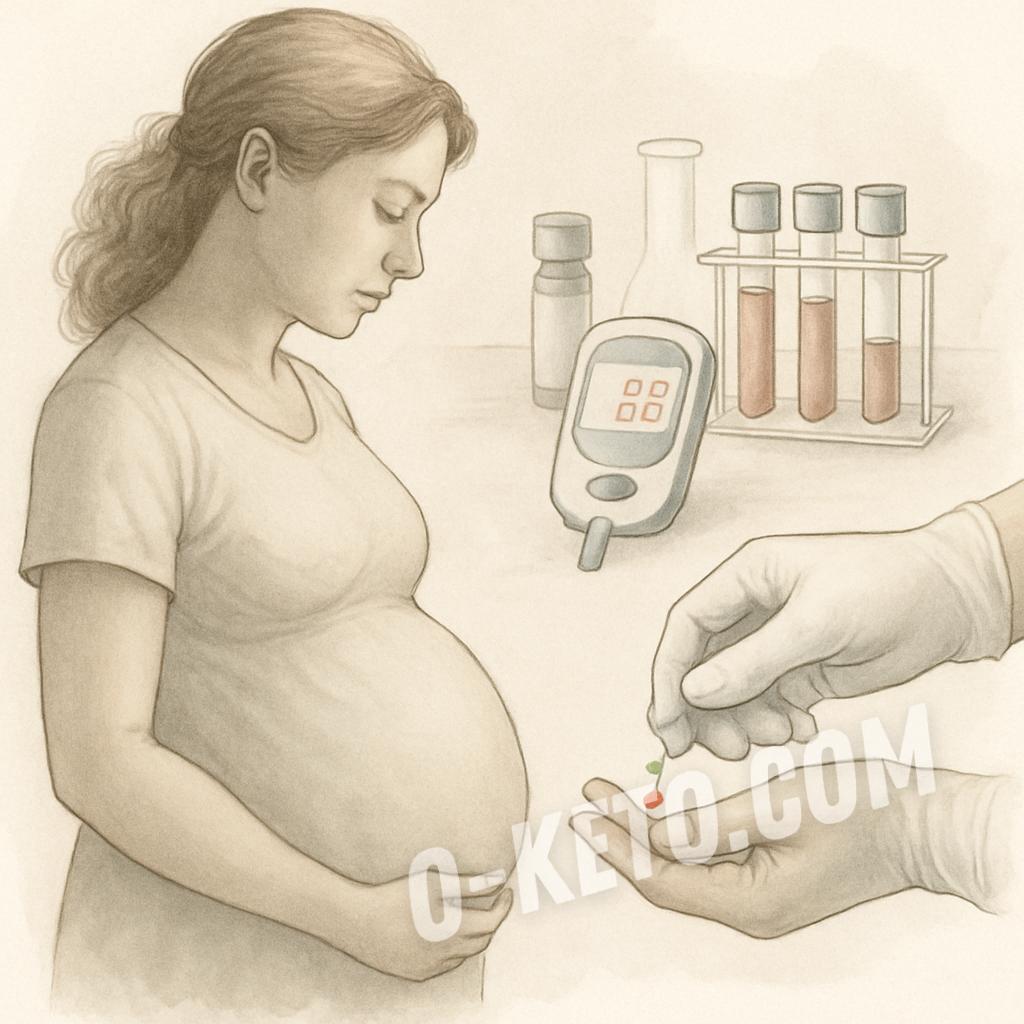
Gestational diabetes is a disturbance of carbohydrate metabolism first detected during pregnancy. In most cases this is not “ordinary diabetes that suddenly appeared,” but a situation in which the normal hormonal changes of pregnancy create enough insulin resistance that the body can no longer keep blood glucose within the desired range. This matters because untreated hyperglycemia can affect the mother’s well-being, fetal growth, pregnancy management, and future metabolic risk after delivery.
Why it develops
As pregnancy progresses, tissues naturally become less sensitive to insulin. Placental hormones play a major role in this shift. Many women compensate successfully by producing more insulin, but some do not have enough reserve to meet the increased demand. When that happens, fasting or post-load glucose begins to rise. The likelihood is higher when insulin resistance already existed before pregnancy or when it is amplified by excess body weight, rapid weight gain, family history of diabetes, sleep disruption, or pre-existing metabolic vulnerability.
Risk is also higher in women with a previous history of elevated glucose, polycystic ovary syndrome, a prior large baby, a family history of type 2 diabetes, or a background suggesting impaired carbohydrate metabolism even before conception. These factors do not make the diagnosis inevitable, but they are important because they justify especially careful laboratory follow-up.
How it is usually detected
Gestational diabetes is diagnosed through testing, not through symptoms alone. Fasting glucose may be used early, and at the standard stage of pregnancy many women undergo an oral glucose tolerance test. The clinician also evaluates the overall context: weight gain, obstetric history, ultrasound findings, and the dynamics of glucose values. Some women feel completely normal, so the absence of obvious complaints does not exclude the condition.
HbA1c can provide supportive information, but during pregnancy it does not replace the standard diagnostic approach. It is better understood as an additional metabolic marker rather than the main tool for diagnosis. What matters most is how the body is handling glucose now, especially fasting values and the response to a controlled glucose load.
What may be clinically important during pregnancy
Gestational diabetes does not always produce clear warning signs. Some women notice unusual thirst, fatigue, more frequent urination, marked sleepiness after meals, or difficulty controlling appetite, but these complaints are non-specific. The more meaningful clues are laboratory abnormalities and indirect obstetric signals, such as a tendency toward a larger fetus, changes in amniotic fluid volume, or repeatedly elevated glucose readings.
If the disorder remains unrecognized, the risk rises for excessive fetal growth, more complicated delivery, hypertensive problems, and the need for closer obstetric surveillance. It also matters in the long term because the diagnosis identifies a woman whose metabolism may be more likely to progress toward type 2 diabetes later in life.
How the condition is usually managed
Management is based on a structured medical plan rather than self-treatment. This often includes dietary adjustment, more even distribution of carbohydrate intake, control of gestational weight gain, safe physical activity, and home glucose monitoring when indicated. If these measures are not enough, medication may be needed. During pregnancy, all decisions about glucose-lowering treatment must be made together with the supervising clinician.
It is important not to respond with extreme restriction, prolonged fasting, or random supplement experiments. Pregnancy requires balance: glucose should be controlled, but both mother and baby still need sufficient energy, protein, micronutrients, and hydration. A steady, medically guided approach is far safer than aggressive or improvised interventions.
Why follow-up matters after delivery
After childbirth, glucose metabolism often improves, but the diagnosis remains clinically important. Women with gestational diabetes have a higher chance of recurrence in future pregnancies and a higher long-term risk of type 2 diabetes. For that reason, postpartum glucose reassessment should not be skipped. Continued metabolic follow-up helps detect problems early, when they are still easier to manage.
Gestational diabetes should be seen as a signal for closer attention, not as a cause for panic. When it is recognized in time and monitored properly, risks can be reduced substantially for both mother and child. The key is to rely on real testing, pregnancy timing, and an individualized plan rather than casual advice or oversimplified rules.
If you have any questions about the term "Gestational diabetes", you can ask them to AI. Please note, a low-cost OpenAI model is used. It may answer questions about disease treatment with errors!


