


Pellagra
Pellagra is a state of niacin deficiency or impaired niacin availability that may affect skin, the GI tract and the nervous system, so it should be understood not only through rash but also through malnutrition, malabsorption, exhaustion and systemic consequences.
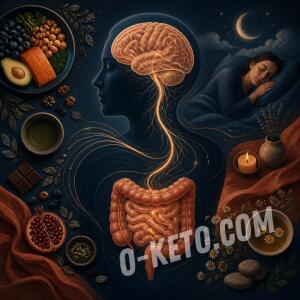



Pellagra is a condition related to niacin deficiency, or impaired niacin availability, including inadequate synthesis from tryptophan. Classically it is described by the triad of dermatitis, diarrhea and dementia, but in real life it may develop more gradually and not always in textbook form. In practice, the disease matters not only because of skin changes, but also because of wasting, GI involvement, weakness and cognitive or psychiatric symptoms. Pellagra is therefore not merely a historical curiosity, but an example of how a nutrient deficiency can affect several body systems at once.
Why pellagra develops
Causes include poor intake of niacin or tryptophan, severe undernutrition, chronic alcohol misuse, malabsorption, chronic intestinal disease and states in which the body struggles to synthesize adequate vitamin B3. Sometimes prolonged extremely monotonous diets or severe social-medical conditions contribute. For that reason pellagra should be understood not as “one isolated vitamin deficiency in a vacuum,” but as a marker of broader nutritional and absorptive failure.
When the diet is narrow, protein intake is low and the gut is functioning badly, multiple deficiencies usually rise together rather than in isolation.
How it may present
Skin findings may include symmetric inflamed lesions in sun-exposed or friction areas, dryness, darkening and sensitivity. GI symptoms can include mucosal inflammation, pain, diarrhea and poor appetite. Nervous-system and mental symptoms may range from weakness, irritability and poor concentration to depressed mood, confusion and more severe cognitive change. This multilayered picture is exactly what should raise suspicion: when skin, bowel and general function are all suffering, deficiency-based causes should not be dismissed too quickly.
A common mistake is to see only one part of the syndrome, such as rash, without linking it to nutrition and broader deficiency background.
Why protein and overall context matter
Niacin status depends not only on the vitamin itself, but also on tryptophan availability and overall protein sufficiency. If a person is chronically underfed, living on a highly monotonous diet, using large amounts of alcohol or struggling with malabsorption, vitamin B3 deficiency rarely travels alone. That is why pellagra should prompt a wider view of nutritional state rather than just the search for one pill. Deficiencies often arrive in clusters, especially when wasting, bowel disease or severe metabolic stress are present.
The longer the true cause remains unrecognized, the more systems have time to become involved.
Practical diagnostic meaning
Pellagra is rarely recognized from one complaint alone. Suspicion grows when skin, bowel and neuropsychiatric symptoms coexist with poor diet, wasting, alcohol misuse, malabsorption or other deficiency states. This is one of those situations in which a careful nutrition history and a whole-person clinical view may provide more than looking at each organ separately. If a clinician sees only dermatitis, only diarrhea or only weakness, the diagnosis can easily be missed.
That is why pellagra remains important as an example of systemic deficiency that becomes visible only through a broader clinical lens.
When closer evaluation is needed
Closer evaluation is needed when skin changes, GI symptoms, weakness, cognitive issues, clearly poor nutrition, alcohol misuse or malabsorption states appear together. The most sensible way to think about pellagra is as a systemic deficiency condition in which it matters not only to replace B3, but also to understand why the organism became so nutritionally vulnerable in the first place.
Common mistakes in deficiency states like pellagra
A common mistake is to treat only the most visible symptom while missing the overall depleted background. In pellagra, the combination of skin, GI, nutritional and neuropsychiatric changes gives the strongest diagnostic clue. The broader the deficiency context is seen, the lower the chance of spending years treating isolated manifestations without removing the root cause.
If you have any questions about the term "Pellagra", you can ask them to AI. Please note, a low-cost OpenAI model is used. It may answer questions about disease treatment with errors!


 1 / 4
1 / 4 1 / 4
1 / 4 1 / 4
1 / 4 1 / 4
1 / 4


 1 / 4
1 / 4