


Serotonin
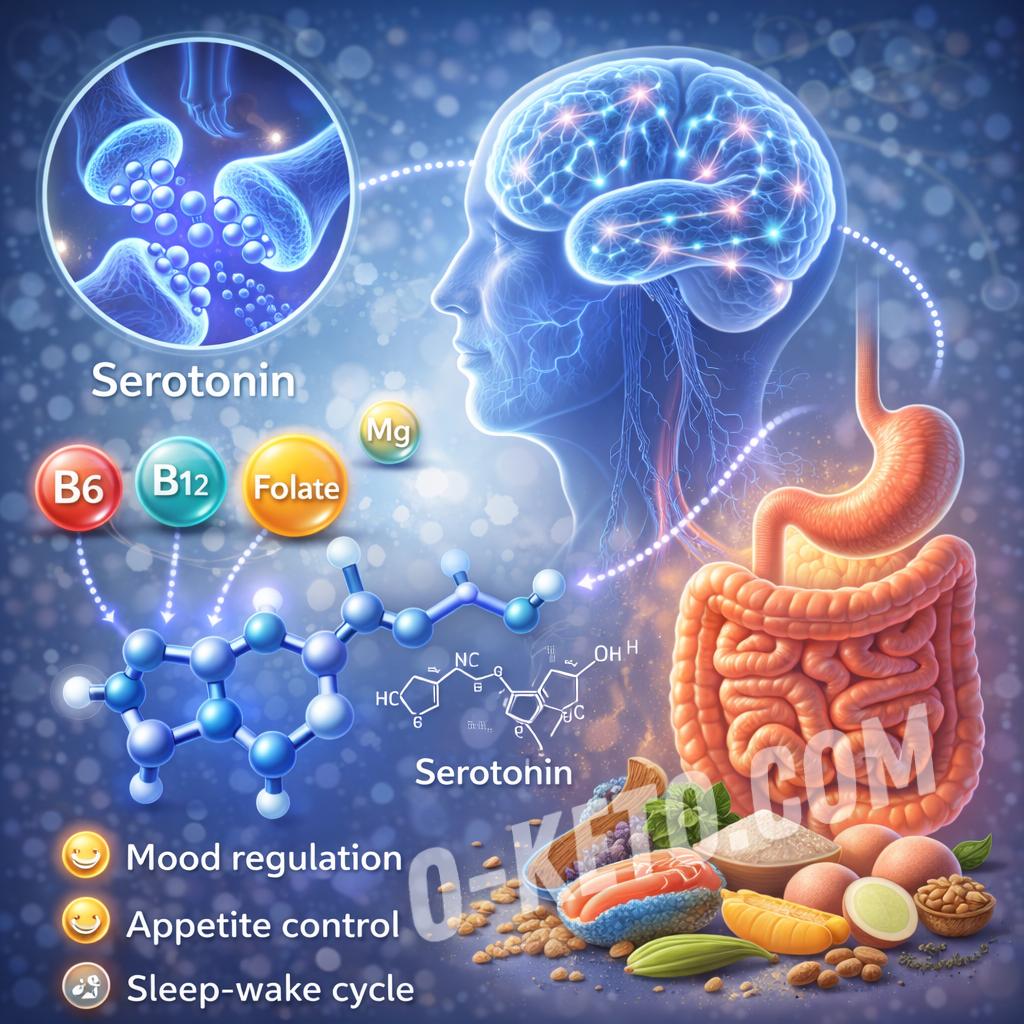
Serotonin — is a neurotransmitter involved in regulating mood, sleep, appetite, pain sensitivity, and gastrointestinal tract function. Despite its common name «the happiness hormone», serotonin is primarily a regulator of adaptation, stability of the psycho-emotional background, and physiological rhythms.
The majority of serotonin is synthesized not in the brain, but in the intestines, highlighting its systemic role in the body.
Functions of Serotonin
Serotonin affects the functioning of several systems in the body:
- stabilization of mood and emotional reactions;
- regulation of the sleep-wake cycle;
- control of appetite and satiety;
- modulation of pain sensitivity;
- participation in cognitive processes and learning;
- regulation of intestinal motility and secretion of digestive juices.
Disruption of serotonin metabolism can affect both the psycho-emotional state and digestion and sleep.
Synthesis of Serotonin in the Body
Serotonin is synthesized from the amino acid tryptophan, which is obtained from food.
The synthesis process is multi-stage and depends on the availability of co-factors:
A deficiency of any of these elements can limit serotonin production even with sufficient tryptophan intake. It is important to note that serotonin does not cross the blood-brain barrier, so the brain is entirely dependent on local synthesis.
The Role of the Intestines in Serotonin Metabolism
About 90% of serotonin is produced in the enterochromaffin cells of the intestines. It regulates peristalsis, mucosal sensitivity, and interaction with the microbiota.
The state of the intestines, the level of inflammation, and the composition of the microbiota directly affect serotonin metabolism. In cases of chronic digestive disorders, serotonin synthesis may decrease regardless of diet.
Serotonin and the Keto Diet
The keto diet indirectly affects serotonin metabolism by altering hormonal and metabolic backgrounds. Reducing carbohydrates decreases insulin spikes, which may influence the transport of tryptophan to the brain.
At the same time, a keto diet can support serotonin levels if several conditions are met:
- sufficient intake of complete protein;
- adequate provision of B vitamins;
- adequate magnesium intake;
- support for gut health;
- avoidance of chronic calorie deficiency.
Sources of tryptophan within the framework of a keto diet can include meat, fish, eggs, fermented dairy products, seeds, and nuts.
Symptoms of Impaired Serotonin Balance
With reduced activity of the serotonin system, the following may be observed:
- apathy and reduced emotional background;
- sleep disturbances;
- increased anxiety;
- compulsive eating behavior;
- lower pain threshold;
- digestive disorders.
These manifestations are not specific and always require a comprehensive assessment of the body’s condition.
Conclusion
Serotonin — is not just «the hormone of joy», but a key regulator of neuroendocrine and intestinal balance. Its synthesis depends on diet, micronutrient status, gut health, and overall metabolic background. Maintaining serotonin on a keto diet is possible but requires a conscious approach to diet and replenishing necessary nutrients.
If you have any questions о термине "Serotonin", you can ask them to our bot.
List of videos from YouTube by request "Serotonin":


