


Testosterone
A steroid androgen important for libido, muscle, bone, blood formation, mood, and metabolism in both men and women. It should not be judged from one random test: morning timing, SHBG, free testosterone, symptoms, sleep, medication, weight, and pituitary signals matter.
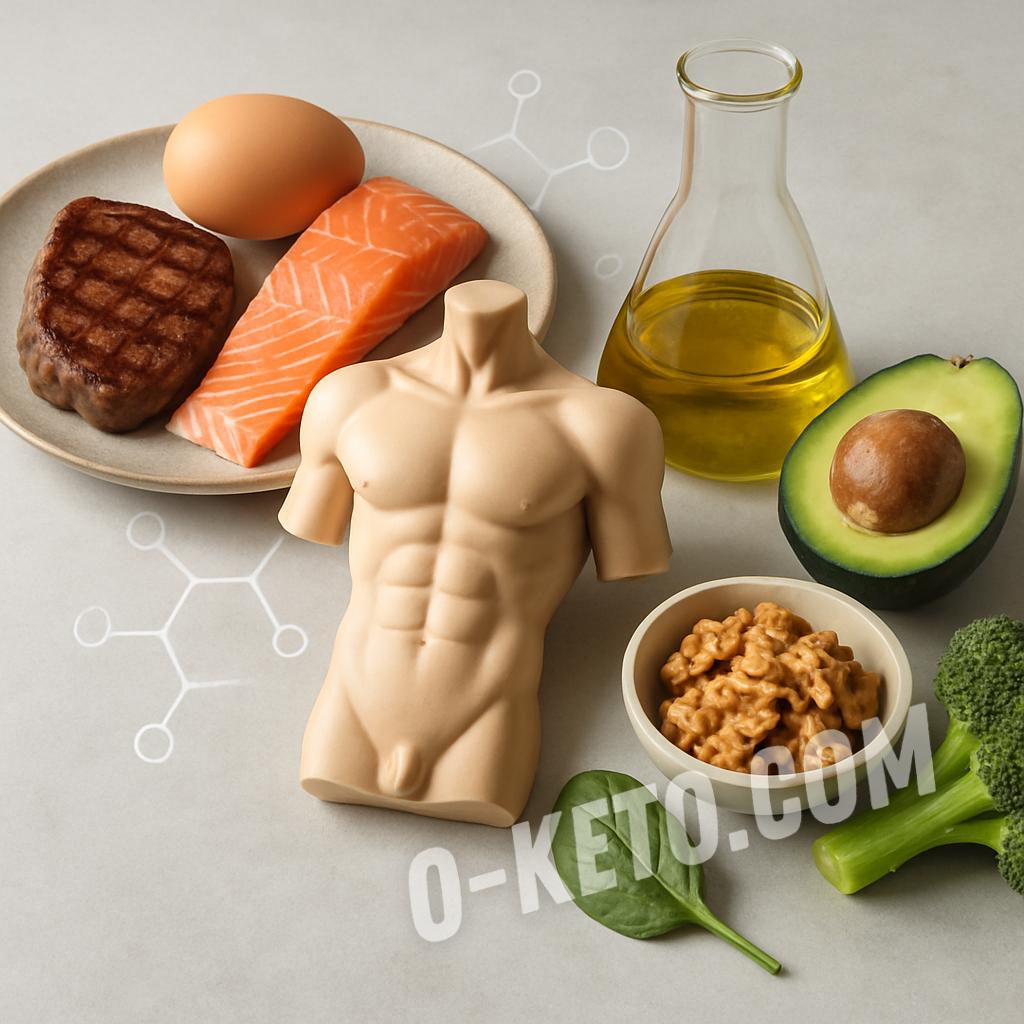
Testosterone is a steroid hormone from the androgen family. It is present in both men and women, although levels and roles differ. In men, most testosterone is produced in the testes under control of the pituitary and hypothalamus. In women, it is produced in the ovaries, adrenal glands, and peripheral tissues. It affects libido, muscle mass, bones, red blood cell production, mood, energy, skin, hair, fat distribution, and insulin sensitivity.
Testosterone should not be reduced to a simple hormone of masculinity or a universal marker of strength. Its effects depend on receptors, SHBG, the free fraction, conversion to estradiol and dihydrotestosterone, age, sleep, diet, body weight, medication, thyroid status, prolactin, inflammation, and liver function. One random test without symptoms and context can easily mislead.
How to assess it
In men, testosterone is usually tested in the morning because it follows a daily rhythm. A low result is often repeated. Total testosterone, SHBG, calculated or measured free testosterone, LH, FSH, prolactin, and sometimes estradiol, TSH, ferritin, glucose, HbA1c, lipids, and liver markers may be relevant. If SHBG is high or low, total testosterone can look deceptively normal or deceptively low.
In women, interpretation is more complex because of the menstrual cycle, contraceptives, menopause, PCOS, and tissue sensitivity to androgens. Excess can appear as acne, hirsutism, androgen-pattern hair loss, irregular cycles, and insulin resistance. Low levels may be associated with reduced libido, fatigue, and loss of muscle, but these symptoms are nonspecific and often have other causes.
What can lower it
Sleep deprivation, sleep apnea, chronic stress, obesity, insulin resistance, alcohol, energy deficiency, inadequate protein, serious illness, inflammation, some antidepressants, opioids, glucocorticoids, and withdrawal after anabolic steroid use can lower testosterone. In men, visceral fat increases conversion of androgens to estrogens and impairs the hormonal axis. Reducing waist size and treating sleep apnea can sometimes do more than any testosterone-boosting supplement.
Overly aggressive dieting can also be harmful. If someone sharply cuts calories and fats, sleeps poorly, trains hard, and feels exhausted all the time, reproductive signaling may fall. On keto this can happen when the diet becomes under-eating with too little protein, electrolytes, and energy. Low carbohydrate intake itself does not have to lower testosterone, but a poorly built diet can.
Nutrition, training, and recovery
Normal hormonal function requires enough energy, protein, zinc, magnesium, vitamin D when deficient, iron without overload, dietary fat, and healthy liver function. Resistance training supports muscle, insulin sensitivity, and body composition, but chronic overtraining without sleep can worsen the hormonal environment. The best effect usually comes from regular progression with recovery rather than maximum punishment.
Keto and LCHF may support testosterone indirectly when they reduce visceral fat, glucose swings, insulin resistance, and inflammation. The diet still needs real protein sources, eggs, meat, fish, seafood, organ meats when tolerated, vegetables, salt, and minerals. A diet made of coffee, fat, and random snacks is not a hormonal strategy.
Therapy and self-treatment risks
Testosterone replacement therapy can be useful in confirmed hypogonadism with symptoms and proper monitoring. Unsupervised injections, gels, or cycles for energy, libido, or sport can suppress natural production, reduce fertility, raise hematocrit, worsen acne, cause fluid retention, affect mood, and complicate sleep apnea. Monitoring of labs, blood pressure, blood counts, prostate risk when relevant, and cardiovascular factors is necessary.
Supplements such as tribulus, D-aspartic acid, zinc, or vitamin D help only in limited contexts, often when there is a deficiency or a specific reason. They will not fix sleep deprivation, obesity, alcohol, sleep apnea, insulin resistance, or lack of resistance training. When symptoms are significant, it is better to find the cause than to assemble stimulants based on reviews.
Practical conclusion
Testosterone matters, but it should be approached calmly. Symptoms, repeated morning tests, SHBG, free testosterone, pituitary signals, sleep, weight, medication, and metabolic health should be reviewed first. Nutrition, resistance training, lower visceral fat, and treatment of sleep apnea often form the foundation. Hormone therapy remains a medical tool, not a way to replace lifestyle.
If you have any questions about the term "Testosterone", you can ask them to AI. Please note, a low-cost OpenAI model is used. It may answer questions about disease treatment with errors!


