




Seafood is often spoiled not because it is difficult, but because it gets treated like ordinary meat or even like generic fish. Shrimp, squid, mussels, scallops, and octopus already have their own sweetness, salinity, and a light marine note. Once they are overcooked, buried under heavy spice mixes, or drowned in thick sauce, that structure disappears quickly. That is why seafood needs more than just a timer. It benefits from understanding which flavor pairs really support it.
A good seafood pairing usually stands on three things: a short and clear cooking method, the right form of acidity, and a fat that carries aroma without suffocating the ingredient. After that come herbs, spices, tomatoes, wine, coconut milk, garlic, pepper, fruit acidity, and stronger Asian elements. Once that logic is clear, it becomes much easier to build quick hot dishes, chilled appetizers, soups, and warm salads that still taste focused.
How to choose the cooking method
Most seafood responds best to fast methods: quick pan cooking, short braising in sauce, careful baking, steaming, or brief poaching in an aromatic broth. Shrimp, squid, and scallops especially dislike long aggressive heat. Their job is not to stew like tough meat, but to reach the point where the protein is set while the texture stays juicy. That means it is more useful to watch practical doneness cues than to rely on vague phrasing. Shrimp should turn pink and springy, squid should turn opaque and matte, and scallops should set around the edges without turning rubbery.
Mussels, vongole, and similar shellfish work beautifully in short covered cooking, where they open in steam or in a small amount of liquid. The key is not to keep cooking them long after the shells open. Octopus is the opposite case: it needs a longer tenderizing stage or careful pre-cooking, but even then the final treatment still benefits from precision, whether that is a grill finish, a skillet, a warm salad, or an oil-and-acid marinade.
If you want a brighter or more complex dish, seafood also works very well in structured broths such as tom yum, curry-based soups, or Mediterranean tomato sauces. Even there the rule stays the same: the aromatic base may simmer longer, but the seafood itself goes in near the end so it does not lose texture.
Which acids work best
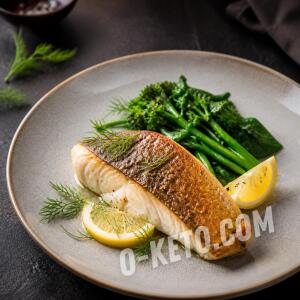
The safest and most universal pair for seafood is lemon or lime. Citrus does more than add sourness. It creates freshness and pulls the whole dish together. This is especially helpful with seafood that has natural sweetness, such as shrimp, scallops, squid, crab, lobster, or octopus. Juice gives fast brightness, while zest adds aroma without adding extra water. In butter-based dishes or in meals with richer fish and shellfish, citrus is one of the most reliable ways to keep the flavor vivid.
Beyond citrus, white wine, dry wine vinegar, a little rice vinegar, and occasionally deeper acidic accents such as Worcestershire or narsharab can also work well when the flavor profile is more intense. White wine is especially useful with mussels, vongole, shrimp, and cream sauces because it adds both acidity and delicacy. Rice vinegar makes more sense in Asian salads and marinades. Narsharab or a gentle apple note can support fish and some seafood in darker or more caramelized dishes, but they should be used with restraint so sweetness does not take over.
Herbs and spices that support instead of dominate
Seafood rarely benefits from very heavy spice combinations. Soft and accurate accents work better. White pepper and Sichuan pepper are especially useful because they add warmth and aroma without the blunt force of too much black pepper. Paprika, dried garlic, a little coriander, measured chili, and in Asian dishes lemongrass, galangal, and kaffir lime leaves all tend to behave well.
Among herbs, parsley, thyme, lemon thyme, and cilantro are particularly dependable. Parsley often works better specifically with seafood because it gives a stronger green note and holds up well next to garlic, butter, lemon, and wine. Dill is softer and often pairs better with fish, especially white fish or lightly salted fish. Cilantro shines when a dish also contains lime, chili, tomatoes, coconut milk, or another Asian direction. Thyme is useful when the dish needs warm herbal depth without the heaviness of rosemary.
Dried garlic deserves separate mention. With seafood it is often easier to control than fresh garlic. The result is cleaner and softer. Fresh garlic can be excellent in oil, marinades, and warm sauces, but too much of it quickly turns a delicate seafood dish into a garlic dish.
How to deepen flavor with fats, sauces, and tomatoes
Butter is one of the best flavor carriers for seafood. It rounds out taste, helps connect acidity with herbs, and gives the sauce a silkier texture. It works especially well with shrimp, scallops, mussels, squid, and shellfish cooked in a pan. When butter needs more heat, it can be supported by a little neutral fat so it does not burn too fast. Olive oil is excellent for finishing, warm salads, marinades, and Mediterranean dishes, but very bitter or aggressive oils can overwhelm delicate seafood.
Sesame oil, fish sauce, and strong flavor pastes such as tom yum behave differently. They are character ingredients, not a neutral background. Sesame oil is usually enough in drops. Fish sauce is useful for depth and umami in soups, stir-fries, and marinades, but should not become the entire taste. In spicy soups and curries, the goal of the seasoning is often not to display a pure shrimp or squid taste by itself, but to build an aromatic broth in which seafood contributes protein, texture, and marine depth.
Tomatoes are another especially successful pairing. Their acidity, sweetness, and juice create a fast sauce without needing flour or starch. This is easy to see with squid, mussels, shrimp, and mixed seafood skillets. Fresh tomatoes, cherry tomatoes, and tomato soup bases all work. A little apple or apple puree can also support white fish and some seafood surprisingly well. The same is true for a small touch of sweetness in a sauce. Sometimes it is there not to make the dish sweet, but to sharpen salinity, acidity, and the seafood’s own natural sweetness.
Useful combination patterns
When seafood is cooked quickly in a skillet, lemon, butter, parsley, garlic, and white pepper are almost always a good direction. Mussels and vongole love white wine, onion, garlic, thyme, cream, and a little zest. Warm salads benefit from citrus, olive oil, fresh herbs, and tomatoes. Asian soups and woks respond well to lime, lemongrass, galangal, chili, a little fish sauce, and coconut milk. Octopus and denser seafood cuts often pair well with oil-based marinades, acidity, herbs, and a restrained sweet-sour vegetable accent.
The most common mistake is trying to use everything at once. Seafood usually performs better in a clear composition than in an overloaded one. One acid, one main fat, one or two herbs, and a few deliberate flavor accents are usually enough. That keeps the dish expressive without erasing its marine identity.
Conclusion
Seafood does not need to be overloaded to become interesting. It needs accurate cooking, the right kind of acid, a gentle fat, and a few herbs or spices that lift the ingredient instead of suppressing it. Lemon and lime, white wine, butter, olive oil, parsley, thyme, dried garlic, tomatoes, white pepper, and careful Asian accents such as fish sauce or lemongrass are some of the most reliable choices. Once you understand that seafood likes freshness, clarity, and short cooking, choosing the right pairing becomes much easier.
Sources
- The Impact of Cooking Methods on the Physical, Sensory, and Nutritional Quality of Fish
- Creating Alternative Seafood Flavour from Non-Animal Ingredients: A Review of Key Flavour Molecules Relevant to Seafood
- Citrus Juice Marination Improves the Flavor of Fish: A Case Study of Sea Bass (Lateolabrax japonicus)
- Selecting and Serving Fresh and Frozen Seafood Safely: U.S. Food and Drug Administration


