
Hot spices make low-carb cooking more vivid: they add warmth, aroma, bitterness, pungency, and a fuller taste without sugar, starch, or sweet sauces. But heat is not automatically beneficial on its own. The same pepper can brighten meat or sauce, or irritate the mucosa and worsen heartburn when used in the wrong amount or at the wrong time.
The main rule is simple: use hot spices as a culinary tool, not as medicine. Black pepper, mustard, chili, and long pepper can stimulate salivation, warm the flavor of a dish, and make rich food more expressive, but gastritis, reflux, ulcers, bowel flare-ups, and sensitive mucosa call for caution.
What Makes a Spice Hot
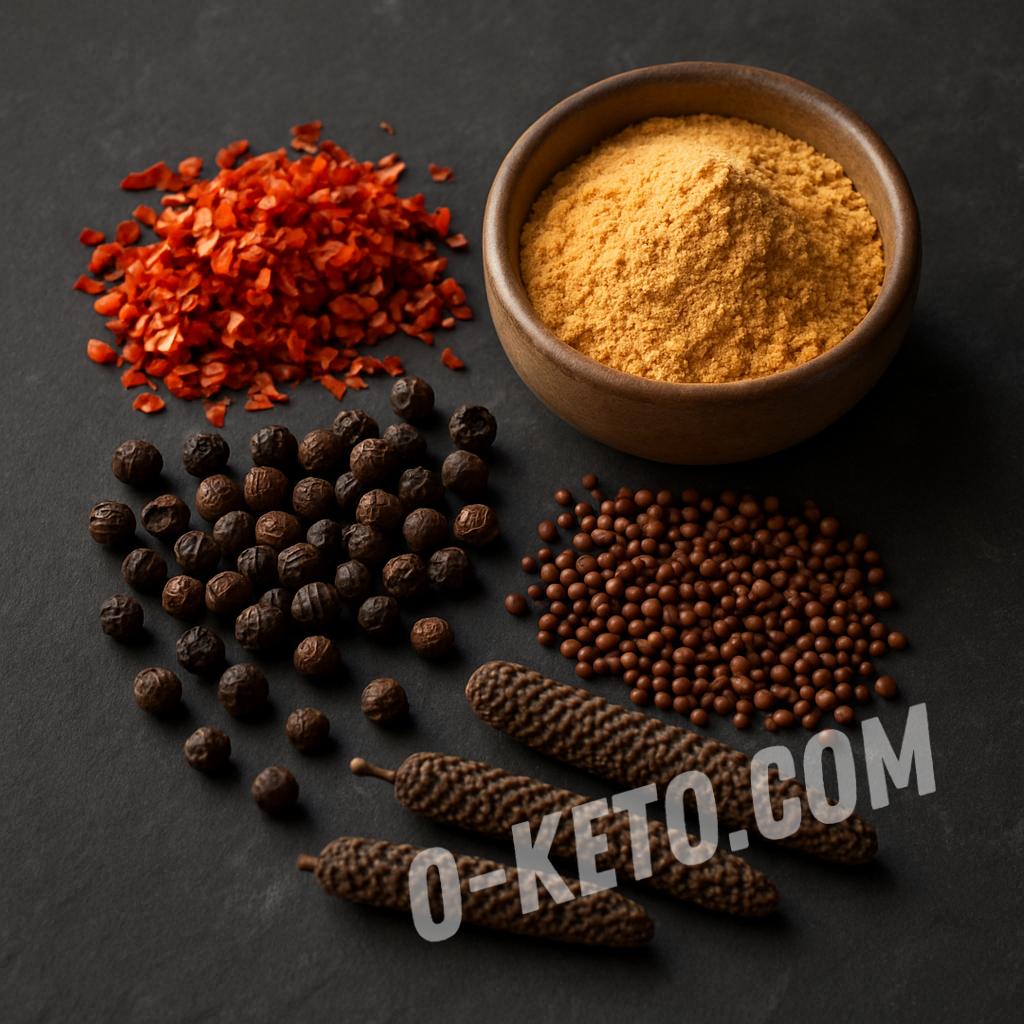
Heat does not come from one universal burning force. Chili contains capsaicin, black pepper contains piperine, mustard contains isothiocyanates, and long pepper contains piperine and related compounds. These substances activate receptors associated with warmth, so food feels hot even when its temperature has not changed.
This means hot spices affect both flavor and the perception of fat. A small amount of heat can make a creamy sauce, oily fish, meat, eggs, or cheese taste less flat. It creates contrast and makes the dish feel brighter. When pungency becomes the dominant note, it masks the food itself and can quickly tire the mucosa.
Digestion and Appetite
In small food-level amounts, hot spices may activate early digestive responses before the food reaches the stomach. Aroma and mild receptor stimulation increase salivation, improve taste perception, and can make heavy food feel less monotonous. This is especially noticeable in meat, organ meats, fatty fish, creamy sauces, and roasted vegetables.
In practice, the differences look like this:
- black pepper adds dry warmth to meat and eggs without strong acidity;
- mustard adds pungency, bitterness, and an emulsifying effect in sauces;
- chili quickly raises heat and works well where a short bright burn is needed;
- long pepper gives a deeper warm sensation, but needs especially careful dosing.
This does not mean hot spices treat digestion. When tolerated well, they make food more enjoyable and may gently stimulate the digestive response. When the mucosa is irritated, the same mechanism becomes a problem: receptors receive too strong a signal, and burning, pain, belching, nausea, or stronger reflux can appear.
Hot Spices and the Mucosa
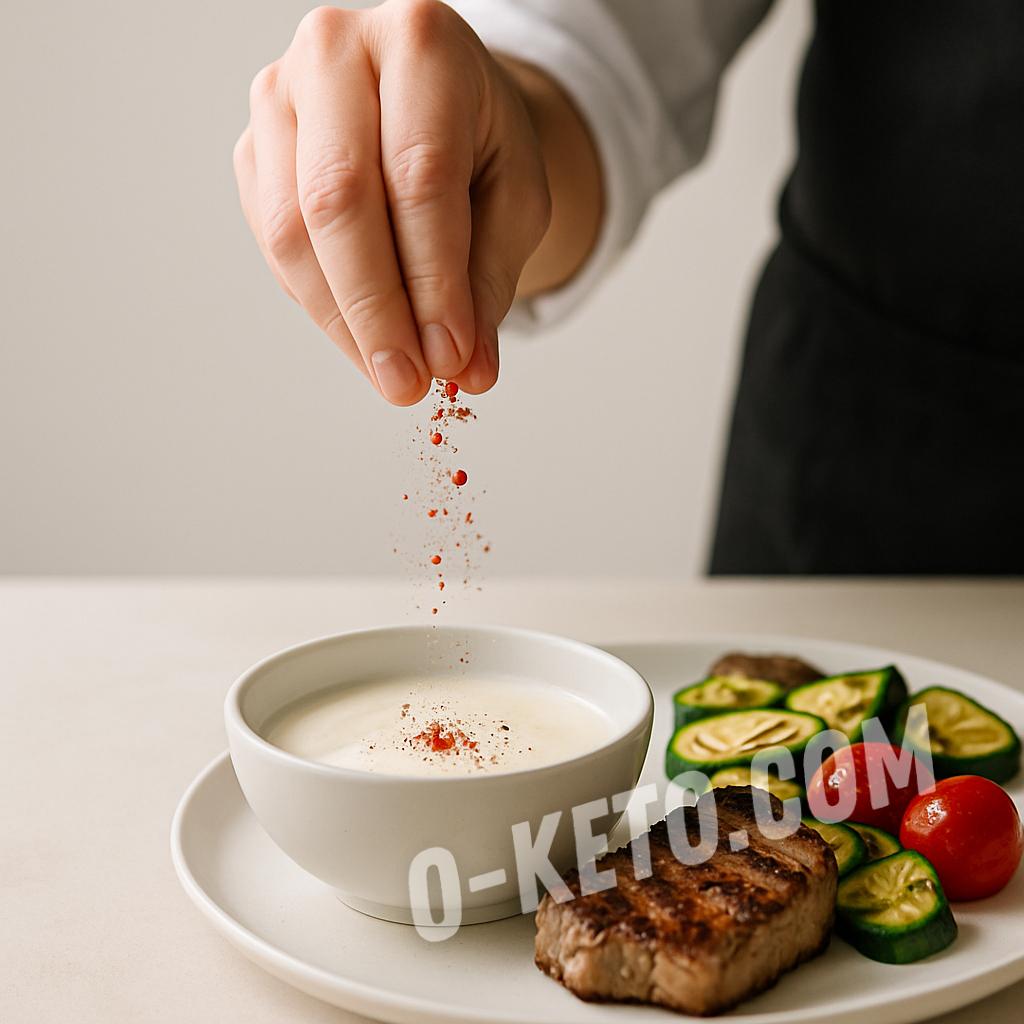
The stomach and intestinal mucosa do not necessarily suffer from every spicy dish. The problem is usually not heat itself, but dose, frequency, combinations, and the current state of digestion. A healthy person may tolerate a little pepper or mustard well. During a flare-up of gastritis, GERD, or ulcer disease, even moderate heat may be too much.
The risk is higher when hot spices are combined with factors that can also irritate or overload digestion:
- very fatty food without acidity, herbs, or enough protein structure;
- alcohol, vinegar, or large amounts of acidic sauces and marinades;
- late meals, especially when reflux is likely;
- hot spices on an empty stomach or in highly concentrated drinks;
- repeated very hot meals several times a day.
If a spicy dish causes persistent burning, chest discomfort, sour belching, stomach pain, or stool changes, there is no need to “train” the mucosa. Reduce the dose, remove the hottest component, and check whether the problem is linked to a specific spice, acidity, fat load, or timing.
Pepper, Mustard, Long Pepper, and Chili
These spices all bring heat, but they behave differently in food. They should not be substituted automatically: black pepper is not the same as chili, and dry mustard is not the same as prepared mustard with vinegar, salt, and sweeteners.
It helps to remember the differences this way:
- black pepper suits everyday cooking when moderate dry heat is needed in meat, eggs, soups, sauces, and vegetables;
- mustard works best in dressings, marinades, and emulsions where both pungency and oil-binding are useful;
- chili is used for bright heat, but it is easy to overdose, especially as powder, flakes, or hot paste;
- long pepper belongs in small amounts in warm spice blends and should not be treated as a mild replacement for ordinary pepper.
In low-carb cooking, the composition of ready-made seasonings matters. Hot sauces, mustard, chili pastes, and spice blends may contain sugar, starch, syrups, maltodextrin, and flavor enhancers. Dry single spices are usually simpler, but even dry blends can include fillers, so the label is worth checking every time.
How to Add Hot Spices to Dishes
Hot spices are easier to increase than to fix. If chili or long pepper has already overwhelmed a dish, it is difficult to bring neutrality back without increasing the amount of sauce, fat, cream, broth, or vegetables. Start low and build heat in layers.
A reliable order looks like this:
- add the base spices and salt first, so the main flavor becomes clear;
- then add a small amount of the hot component and let it bloom in heat or sauce;
- after that, taste the dish and decide whether more heat is needed;
- at the end, add herbs, oil, lemon, or a creamy element if the heat needs softening.
For meat, black pepper often works early in cooking, while a small amount of chili is better near the end. Creamy sauces usually need mustard or pepper first, with chili added very sparingly. Eggs and cheese need especially subtle heat because their delicate taste becomes harsh when pungency takes over.
When to Limit Hot Spices
Caution is needed not because pepper or mustard are inherently harmful, but because active pungency amplifies signals that may already be overloaded in certain conditions. The stronger the inflammation, mucosal irritation, reflux, or pain, the less room there is for burning components.
Hot spices should be limited or temporarily avoided in these situations:
- flare-ups of gastritis, ulcer disease, esophagitis, or pronounced GERD;
- acute pancreatitis, cholecystitis, hepatitis, or painful gallstone attacks;
- burning, pain, nausea, diarrhea, or worsening symptoms after a specific spice;
- pregnancy and lactation if spicy dishes have become harder to tolerate;
- medical conditions or medications where a clinician has already recommended a gentle diet.
If there are chronic diseases of the stomach, intestines, liver, gallbladder, or pancreas, hot spices should not be used as a digestive stimulant. It is safer to choose gentler aromatic spices: coriander, fennel, cumin, dill, bay leaf, basil, thyme, rosemary, or non-hot paprika.
Conclusion
Hot spices are useful in a culinary sense: they make low-carb dishes brighter, balance richness, intensify aroma, and reduce the need for sweet sauces. Their strength is in small doses. Pepper, mustard, long pepper, and chili are best added gradually, with attention to tolerance, and should not be used as treatment for digestive problems.