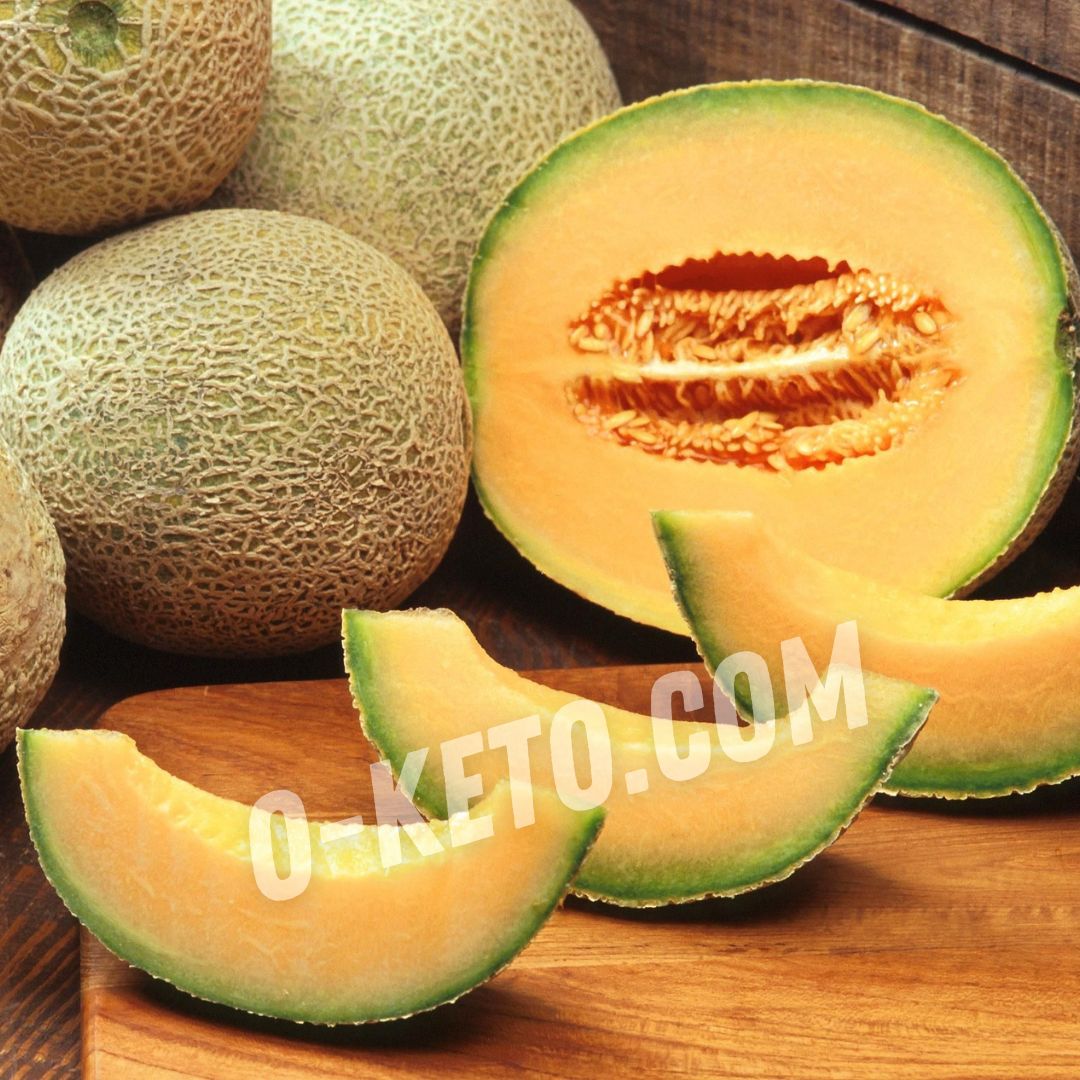

Melon is a sweet juicy fruit with a high water content and a distinct aroma. Varieties differ in flesh color, firmness, sweetness, and fragrance: some are honey-like, while others taste fresher and more herbal. In a regular diet melon is often eaten as a dessert on its own, but for keto and LCHF this is not always convenient because of its sugar content.
The main feature of melon is the combination of juiciness and noticeable sweetness. Per 100 g, it may contain about 34 kcal, around 0.6 g of protein, 0.2 g of fat, and about 8.1 g of carbohydrates. The water content is indeed high, often around 90%, but that does not remove the carbohydrates. In low-carb eating, melon needs a measured portion rather than unlimited slices.
Nutritional value
The glycemic index of melon is often listed around 65, while the glycemic load of a small portion may be relatively low. These numbers do not mean that melon is neutral for strict keto. The riper and sweeter the fruit, the more noticeable its contribution to daily carbohydrates. The response also depends on portion size and whether melon is eaten alone or with other food.
Melon contains vitamin C, beta-carotene in orange-fleshed varieties, potassium, magnesium, and organic acids. These are welcome, but they should not be the reason for a large portion. In keto meals, melon works better as a small aromatic accent when you want fresh sweetness without a regular dessert.
Place in keto and LCHF
On strict keto, melon is usually limited. A 50-100 g portion may fit the daily limit if the menu is planned with those carbohydrates in mind. A large plate of melon can take a significant share of the day’s carbohydrate budget, especially if the menu already includes berries, nuts, dairy, or vegetables with carbohydrates.
In a more flexible LCHF approach, melon can appear seasonally in small portions. It is better after a main meal rather than alone on an empty stomach. Pairing it with unsweetened Greek yogurt, cream, soft cheese, nuts, or ham makes the portion more structured and helps prevent it from becoming an endless sweet snack.
How to use
The simplest option is to dice 50-80 g of melon and add it to a salad with arugula, cucumber, feta, olive oil, and mint. The sweetness is then spread through a larger plate instead of concentrated in a separate bowl. Melon also works with prosciutto, poultry, shrimp, cream cheese, and lime.
For dessert, mix a small amount of melon with unsweetened yogurt, cream, chia, coconut cream, or a few berries. Melon smoothies are usually less suitable for keto: liquid food is consumed quickly, and the fruit portion easily becomes larger than planned. Dried melon and candied melon are almost always too concentrated in sugars.
How to choose
A good melon should be fragrant, heavy for its size, and free of cracks, mold, wet spots, and signs of fermentation. A strong alcoholic smell suggests overripeness. The stem end can help judge ripeness, but it is better to assess several signs together: aroma, weight, intact skin, and firmness.
Buy cut melon only where it is kept cold. Sweet wet flesh spoils quickly, so halves and pre-cut pieces require care. If the flesh becomes slimy, sour-smelling, or fizzy, do not use it.
Limits and storage
Melon may not sit well with a very large meal for people with sensitive digestion; heaviness or fermentation-like discomfort can occur. If you notice this, eat less and avoid combining melon with many other sweet foods. If you monitor glucose strictly, it is sensible to test your own response to a specific portion.
A whole melon can be kept at room temperature before cutting if it is not overripe. Once cut, it should be refrigerated in a closed container or covered and eaten within the next few days. Wash the rind before cutting so surface dirt is not carried into the flesh by the knife.
Substitutes
If you need a fresh sweet accent with a smaller carbohydrate portion, use strawberries, raspberries, cucumber with lime and mint, a small weighed portion of watermelon, or berries with unsweetened yogurt. In salads, part of melon’s role can be covered by cucumber, avocado, feta, and mint: the sweetness will be lower, but freshness and volume remain.