


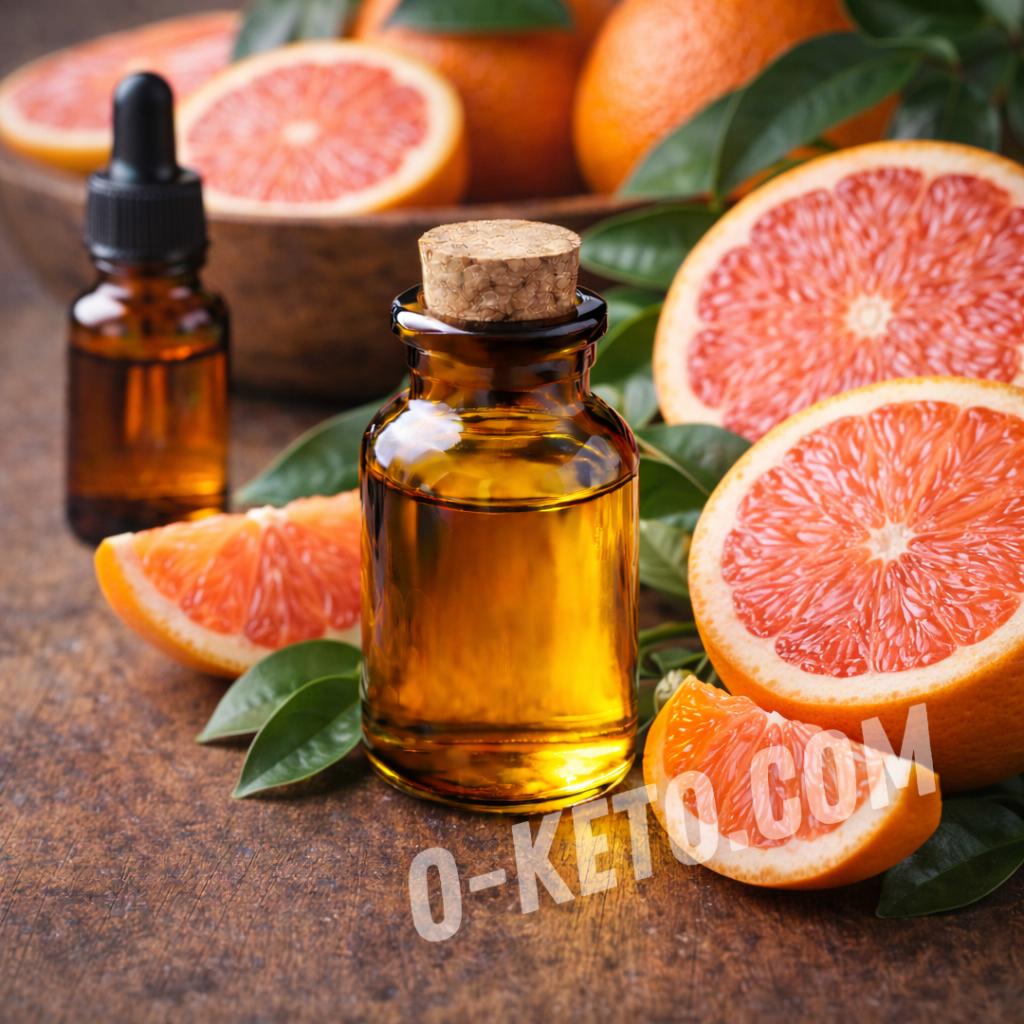

Grapefruit essential oil (Citrus paradisi) is obtained from the peel of the fruit by cold pressing. It is characterized by a bright, fresh, slightly bitter citrus aroma, which has a pronounced toning and refreshing effect. This is one of the most popular citrus oils, widely used in aromatherapy, cosmetology, and natural healing practices.
The grapefruit as a plant appeared relatively late—in the 18th century, as a result of natural hybridization of pomelo and sweet orange. Despite its “young” age, grapefruit essential oil quickly secured a strong position among therapeutically significant oils due to its combination of pleasant aroma and pronounced physiological effects.
Composition of Grapefruit Essential Oil
The main component of grapefruit essential oil is limonene, which can make up 85–95% of its content. It is this compound that defines the characteristic fresh aroma and most of the oil’s biological effects.
Additionally, the composition includes:
- myrcene—enhances anti-inflammatory action;
- pinene—has antiseptic effects;
- linalool—promotes gentle relaxation of the nervous system;
- citral and other monoterpenes—participate in antioxidant protection.
This composition makes grapefruit oil one of the most active citrus oils in terms of metabolic and lymphatic effects.
Beneficial Properties of Grapefruit Essential Oil
Grapefruit essential oil has a comprehensive impact on the body, affecting both physical and emotional states.
- stimulates lymphatic drainage and reduces stagnation;
- supports liver function and detoxification mechanisms;
- helps reduce fatigue and apathy;
- improves mood and increases motivation;
- has a mild antiseptic effect.
In aromatherapy, grapefruit oil is often used for emotional exhaustion, chronic fatigue, decreased concentration, and tendencies to overeat. Its aroma is perceived as “cleansing” and invigorating, without causing overstimulation.
Use of Grapefruit Essential Oil in Aromatherapy
In aromatherapy practice, grapefruit oil is used to enhance tone and improve the psycho-emotional background.
- for diffusion—3–5 drops per room;
- for morning and daytime aromatic sessions;
- in blends to enhance concentration and productivity;
- in anti-stress compositions with lavender or neroli.
The oil is particularly suitable for people prone to lethargy, apathy, and low energy, unlike heavier relaxing oils.
Use in Cosmetology and Body Care
Grapefruit essential oil is actively used in cosmetic products, especially in body skin care.
- used in anti-cellulite blends;
- helps improve microcirculation;
- regulates skin sebum production;
- refreshes and tones the skin.
When added to massage blends, grapefruit oil enhances the drainage effect and improves the condition of subcutaneous fat tissue. For facial skin, it is used in minimal concentrations and only in the evening.
Precautions and Special Considerations
Grapefruit essential oil is classified as a photosensitizing citrus oil. After application to the skin, it is necessary to avoid direct sunlight for at least 12 hours:
- do not apply to the skin before sun exposure;
- always use diluted;
- conduct a test for individual sensitivity;
- do not use in the eye area and on mucous membranes.
When used correctly, grapefruit essential oil is a safe and effective remedy that can support energy balance, improve skin condition, and positively affect overall well-being.
Grapefruit essential oil is a combination of freshness, lightness, and functionality, making it one of the most versatile citrus oils for everyday use.


