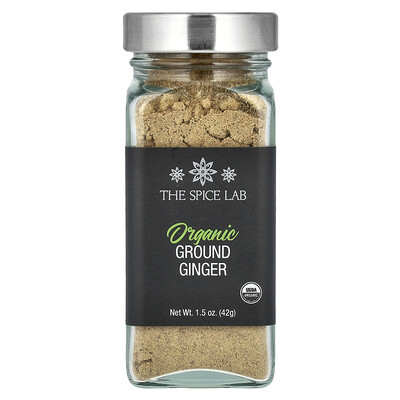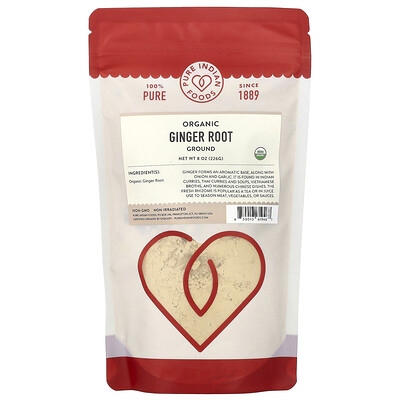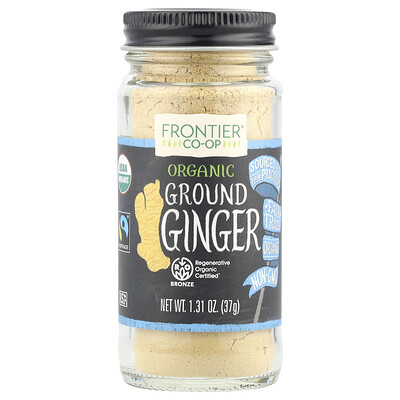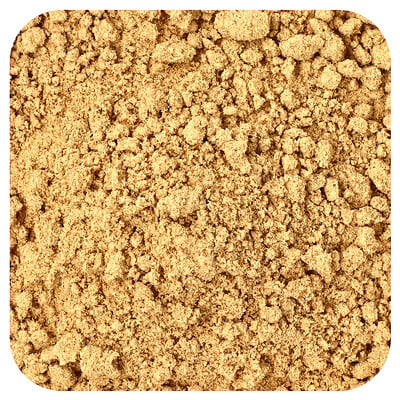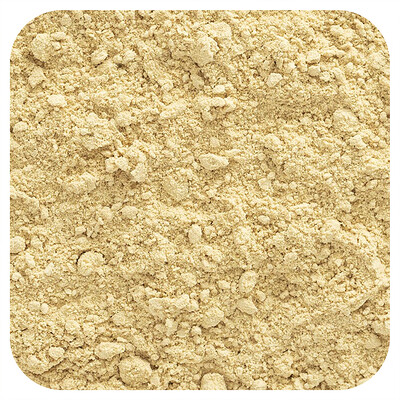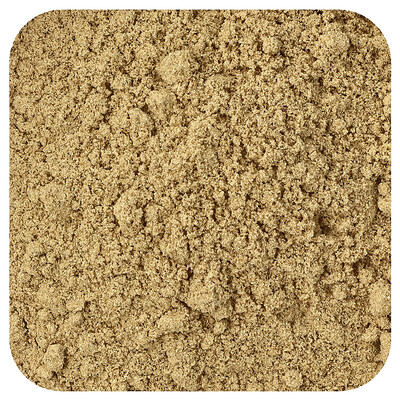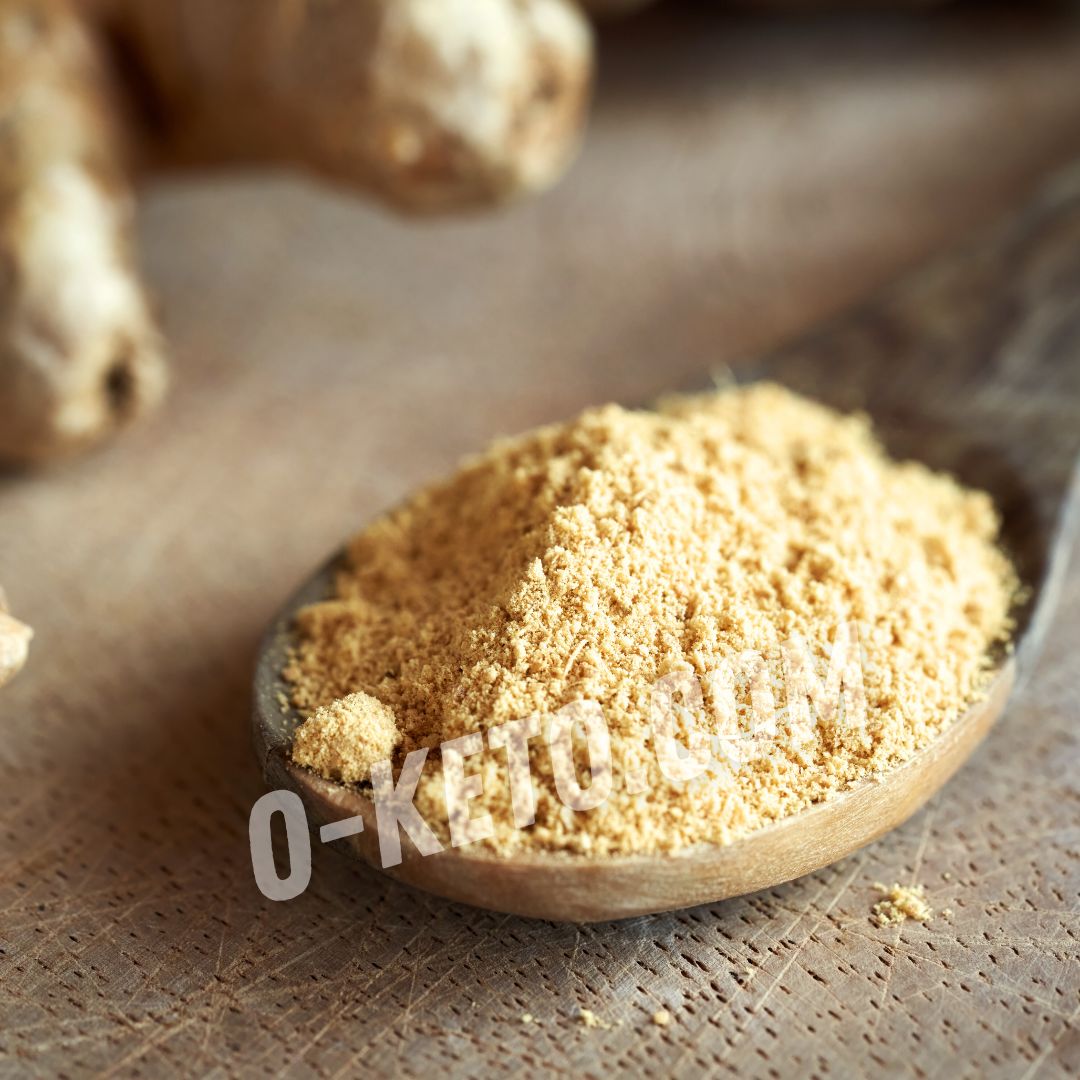

Ground ginger is dried and ground ginger root with a sharp, warm and slightly citrus-like aroma. It is much more concentrated than fresh root, disperses faster in dough, sauces and dry mixes, but adds no juiciness or crunch. It is used in spicy marinades, curry, soups, keto baking, hot drinks without sugar and meat dishes.
Older tables often list ginger at about 80 kcal, 1.8 g of protein, 0.4 g of fat and 17.8 g of carbohydrates per 100 g, but labels for dry ground spice may vary. The practical point is portion: usually 1/4-1 teaspoon, sometimes 1-2 teaspoons for a whole recipe. The carbohydrate load per serving is therefore usually small.
Nutrition
Ground ginger contains aromatic compounds, including gingerols and shogaols, which create its characteristic heat. But a description should not turn the spice into a product with promises. In ordinary food, ginger is mainly needed for flavor, warm aroma and balance in fatty or creamy dishes.
A glycemic index around 10 can be used as a rough guide, but in a small portion it matters less than the whole dish. If ginger is added to an unsweetened sauce, meat or tea without sugar, its carbohydrate contribution is minimal. If it is part of gingerbread, syrup, sweet latte or dessert mix, the whole recipe must be counted.
Is It Keto-Friendly?
Ground ginger fits keto and LCHF as a spice. It pairs well with sugar-free coconut milk, chicken, fish, pork, beef, sugar-free pumpkin spice blends, lemon, garlic, pepper, cinnamon and creamy sauces. A small amount gives bright flavor without needing sweet sauces.
The main caution is ready mixes. Plain ginger is simple, while chai mixes, ginger drinks, gingerbread spice or latte powders may contain sugar, milk powder, starch, syrups or maltodextrin. For strict keto, separate ground ginger is easier to control.
How to Use It
Ground ginger opens quickly, so it is easy to overdo. In dry mixes it distributes evenly, and in sauces it is better first stirred into a little liquid or oil to avoid clumps. With long storage, aroma weakens and it becomes tempting to add more, but old powder often gives flat bitterness.
Practical options include:
- chicken marinade with garlic, lemon and oil;
- curry with sugar-free coconut milk;
- hot drink with lemon and no sugar;
- keto baking with cinnamon and nutmeg;
- sauce for fish or pork with a little vinegar.
How to Choose and Store
Good ground ginger smells bright and spicy, without dampness, dust or mustiness. The color is usually beige-yellow, but aroma matters more. The ingredient list should contain only ginger unless it is an intended mix. For keto, sugar, dextrose, powdered cream, starch and flavorings in sweet drinks are undesirable.
Store the powder tightly closed, away from light, heat and steam. Do not keep the jar over a pot: steam quickly damages texture. A large package makes sense only with frequent use. If the aroma is almost gone, it is better to replace the spice than double the dose.
Limits and Substitutes
Large amounts of ginger can irritate the stomach, create burning or make a dish too sharp. With sensitive digestion, start with a pinch. Caution is also useful when ginger is combined with a lot of pepper, garlic, vinegar and fatty sauce.
Ground ginger can be replaced with fresh ginger, but the flavor will be juicier and less dry. In spice blends, cinnamon, cardamom, nutmeg, allspice or lemon zest can partly help, but they will not repeat the hot note. In savory dishes, fresh ginger with garlic and lemon is closest.
Portion and Common Mistakes
For one serving, a pinch or 1/4 teaspoon is often enough. In baking, count the amount for the whole recipe because ginger heat accumulates quickly. A common mistake is trying to fix old weak spice with a large dose: instead of bright aroma, dry bitterness appears. It is better to replace the powder with a fresh one.
Ground and Fresh Ginger
Ground ginger and fresh root do not replace each other one for one. The powder is drier, warmer and sharper, so it works better in dry mixes, baking, curry and marinades where even spice distribution is needed. Fresh ginger is juicier, brighter and adds fibrous texture, so it works well in stir-fries, broths and sauces that can later be strained.
If a recipe is written for fresh root, add powder carefully: start with a small pinch and taste. The opposite swap also needs adjustment: fresh ginger usually requires more volume and adds moisture. For keto this is not a problem, but the flavor and texture of the dish change noticeably.