


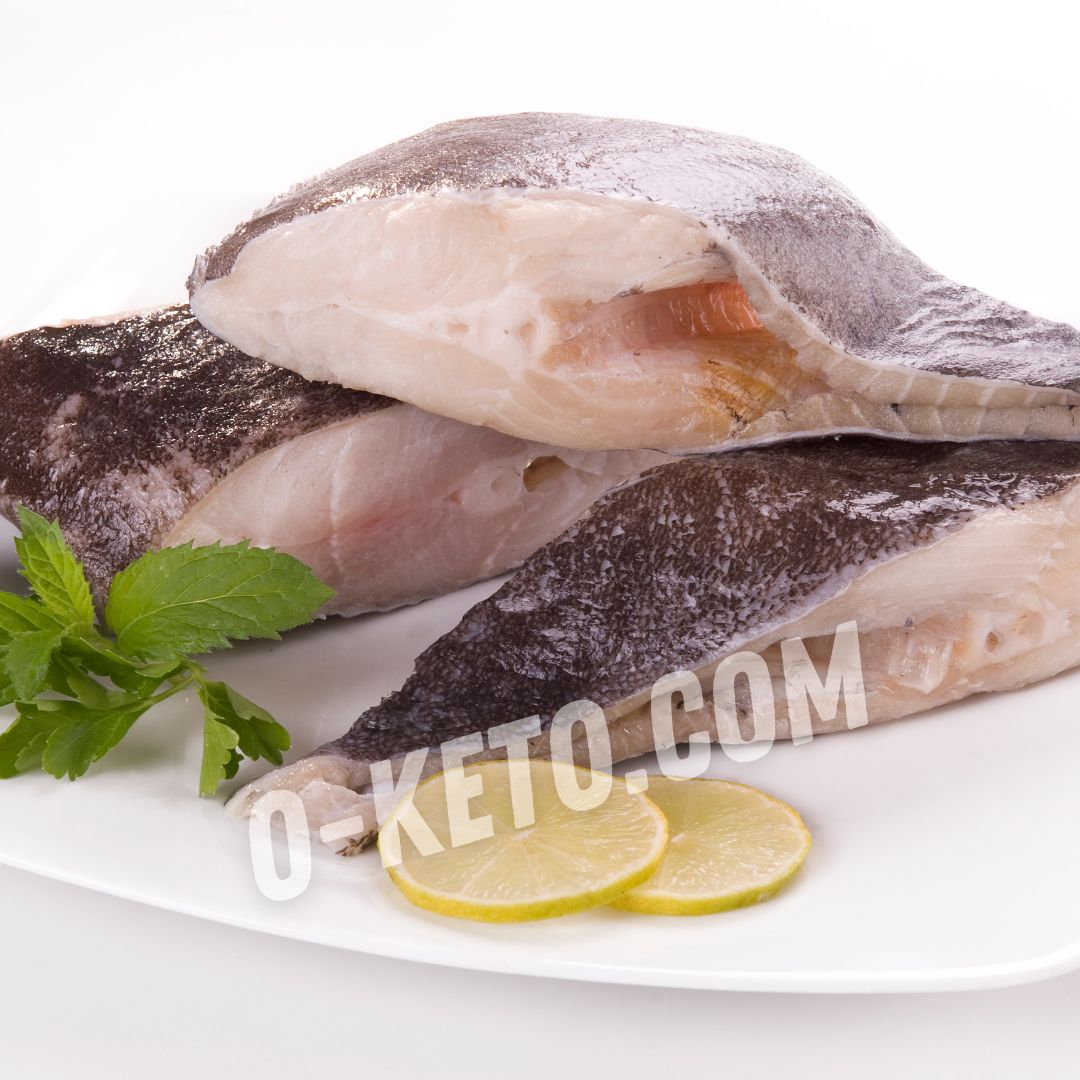

Halibut is a large marine fish from the flatfish group. It has a flat body, dense white flesh, and a mild taste without a sharp fishy note. Pacific and Atlantic halibut, along with related species, are most common in shops. The flesh works for steaks, fillets, baking, frying, grilling, soups, and dishes with cream sauce.
Halibut is valued for large pieces without many small bones. It is more delicate than cod, firmer than many white fish, and holds its shape well if not overcooked. The main cooking risk is excessive heat time: lean fillet quickly becomes dry and fibrous.
Some facts from older descriptions need correction. Halibut can indeed be very large and long-lived, especially Pacific halibut. It is a predator and lives near the bottom at significant depths. But it belongs to flatfish, not pike, and its culinary value is mainly about fillet quality and correct cooking.
Halibut may be sold as skinless fillet, bone-in steaks, cheeks, smoked slices, and frozen portions. Fillet is convenient for quick dinners, steak gives a juicier result, and cheeks are considered especially tender. Bones and trimmings work for soup or stock if they are fresh and free of sharp smell.
Nutritional value
In 100 g of halibut there are usually about 110–160 kcal, 20–23 g of protein, 2–6 g of fat, and almost 0 g of carbohydrates. Fattier cuts and steaks provide more calories, lean fillet less. Halibut contains complete protein, selenium, phosphorus, vitamin B12, vitamin D, and a small amount of omega-3 fatty acids.
By fat content, halibut is usually lower than salmon, mackerel, and herring. For that reason, in keto dishes it is often paired with butter, cream, hollandaise, avocado, olive oil, or a fatty dressing. This keeps the fish juicy and helps the dish fit a low-carb pattern better.
Is it suitable for keto?
Halibut fits keto and LCHF well because it has almost no carbohydrates and provides a lot of protein. Carbohydrates usually come not from the fish, but from breading, flour, sweet marinades, potato sides, rice, or thick starch-based sauces.
For keto, it is convenient with cauliflower, zucchini, asparagus, spinach, mushrooms, broccoli, cucumber salad, butter, flour-free lemon sauce, or sugar-free mayonnaise. If the meal already contains a lot of protein, the fish portion can be moderate and paired with more low-starch vegetables.
How to cook it
Halibut fillet is best cooked quickly: pan-seared over medium heat, baked at moderate temperature, or steamed. Steaks work well on the grill or in the oven, but drying should be avoided. Inside, the flesh should turn opaque and separate easily into flakes.
Halibut works well with butter, lemon, dill, parsley, capers, a small amount of garlic, white pepper, thyme, and gentle cream sauces. Very aggressive spices can cover the delicate taste. If the fillet is frozen, thaw it slowly in the refrigerator and pat it dry before frying.
How to choose
Fresh fillet should be firm, moist, free of gray spots, and have a clean marine smell. Slime, ammonia notes, yellowing fat, and loose texture are poor signs. With frozen halibut, check ice amount, package integrity, and absence of dry white freezer-burn patches.
Atlantic halibut requires especially careful attention to origin in many regions because of pressure on populations. If there is a choice, check species, harvest area, or aquaculture. For everyday cooking, a certified product or more sustainable white-fish alternative may be more reasonable.
Limitations
Halibut is fish, so individual reactions are possible. Large predatory species may accumulate more contaminants than small fish, so frequency is better rotated with other seafood. Salted, smoked, or marinated halibut contains more sodium than fresh fillet.
How to store it
Fresh fillet is best cooked on the day of purchase or the next day, kept in the coldest part of the refrigerator. Frozen halibut is stored at a stable temperature and thawed without warm water. Refreezing worsens texture. Cooked fish is kept in the refrigerator and eaten quickly because white fish easily loses juiciness.
What can replace it?
By culinary role, halibut can be replaced with cod, haddock, sea bass, wolffish, flounder, pollock, or another firm white fish. If a fattier option is needed, salmon can work, but the taste and texture will be different. In recipes with cream sauce, choose a dense fillet that does not fall apart when mixed.


