


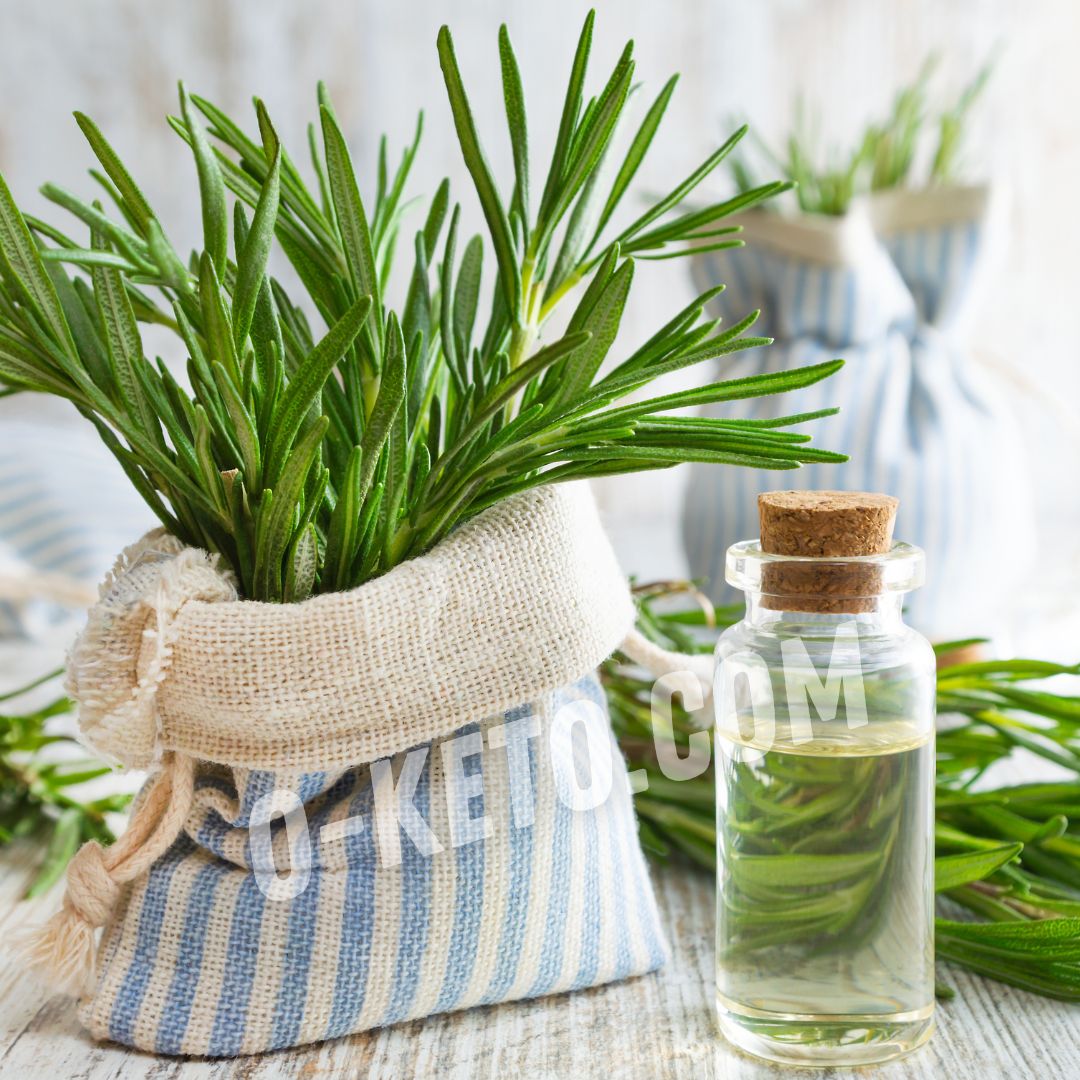

Fresh rosemary is an aromatic Mediterranean herb with firm needle-like leaves and a piney, camphor-like aroma. It belongs to the mint family and is used with meat, poultry, fish, eggs, cheeses, mushrooms, and vegetables. Fresh rosemary is brighter and more resinous than dried rosemary, so it should be used carefully: a few leaves can change the whole character of a dish.
For keto and LCHF, fresh rosemary is convenient as a seasoning with no meaningful carbohydrate load in normal use. It makes simple protein-rich and fatty dishes more expressive without sugar, sweet marinades, or ready-made sauces. But it is a flavor herb, not a vitamin source in a real serving; almost nobody eats 100 g of rosemary.
Nutritional value
Per 100 g, fresh rosemary may contain about 131 kcal, 3.3 g of protein, 5.9 g of fat, 20.7 g of carbohydrates, and 14.1 g of fiber. These numbers are mostly reference values because the usual portion is a sprig, a pinch of leaves, or a few grams. At that amount, calories and carbohydrates are minimal.
Rosemary contains aromatic oils, aromatic acids, tannins, vitamin A, vitamin C, calcium, and iron. In a culinary portion, however, these do not make it a separate nutritional food. Its practical value is aroma, heat tolerance, and excellent compatibility with fat.
Place in keto and LCHF
Fresh rosemary fits keto when used as a seasoning. It works especially well with fatty meat, skin-on chicken, lamb, pork, butter, olive oil, cheese, and cream sauces. The herb makes a dish brighter without adding sugar or starch.
The issue is usually not rosemary itself but prepared blends and marinades flavored with it. Check ingredients: sauces “with rosemary” may contain sugar, honey, starch, syrup, or poor-quality vegetable oils. A fresh sprig in a homemade dish is much clearer.
How to use
Whole sprigs are convenient in a pan, baking dish, or pot, then removed before serving. The leaves are firm, so for salads and sauces they should be chopped very finely. Rosemary tolerates heat well, but too much can taste rough and bitter, especially if the leaves burn in oil.
Add it to lamb, beef, pork, chicken, turkey, salmon, mushrooms, eggplant, summer squash, cauliflower, and cheeses. Good pairings include garlic, lemon, thyme, sage, black pepper, olive oil, and butter. For eggs and delicate white fish, use less.
How to choose
Fresh rosemary should be firm, green or grey-green, and strongly aromatic. The leaves should not be slimy, black, wet, or crumbling into dust. Dry tips can appear on an older sprig, but weak aroma means the herb has lost much of its strength.
If buying rosemary in a container, check for condensation and mold. A potted plant should have firm shoots without yellow patches or stale soil smell. Rinse and dry sprigs well before use, especially if they will go into hot oil.
Storage
Fresh sprigs can be wrapped in a slightly damp towel and placed in a bag or container in the refrigerator. Another option is to stand them in a small glass of water like herbs and cover loosely with a bag. Excess moisture speeds spoilage, so rosemary should not be stored wet.
For longer storage, leaves can be dried or frozen. Dried rosemary is more concentrated and firmer, so use less. Frozen rosemary keeps aroma better for hot dishes, but after thawing it no longer looks like fresh garnish.
Limits and substitutes
Rosemary is very aromatic, and too much easily dominates a dish. In sensitive people, intense aromatic oils may bother the stomach or leave an unpleasant aftertaste. Start with a small amount; adding more is easier than removing a strong piney note.
Fresh rosemary can be replaced with dried rosemary, thyme, sage, oregano, marjoram, or herbes de Provence. For lamb and beef, thyme with garlic is closest; for chicken, thyme or sage; for vegetables, oregano and marjoram. There is no exact aroma match, but the role of a Mediterranean savory herb can be preserved.


