


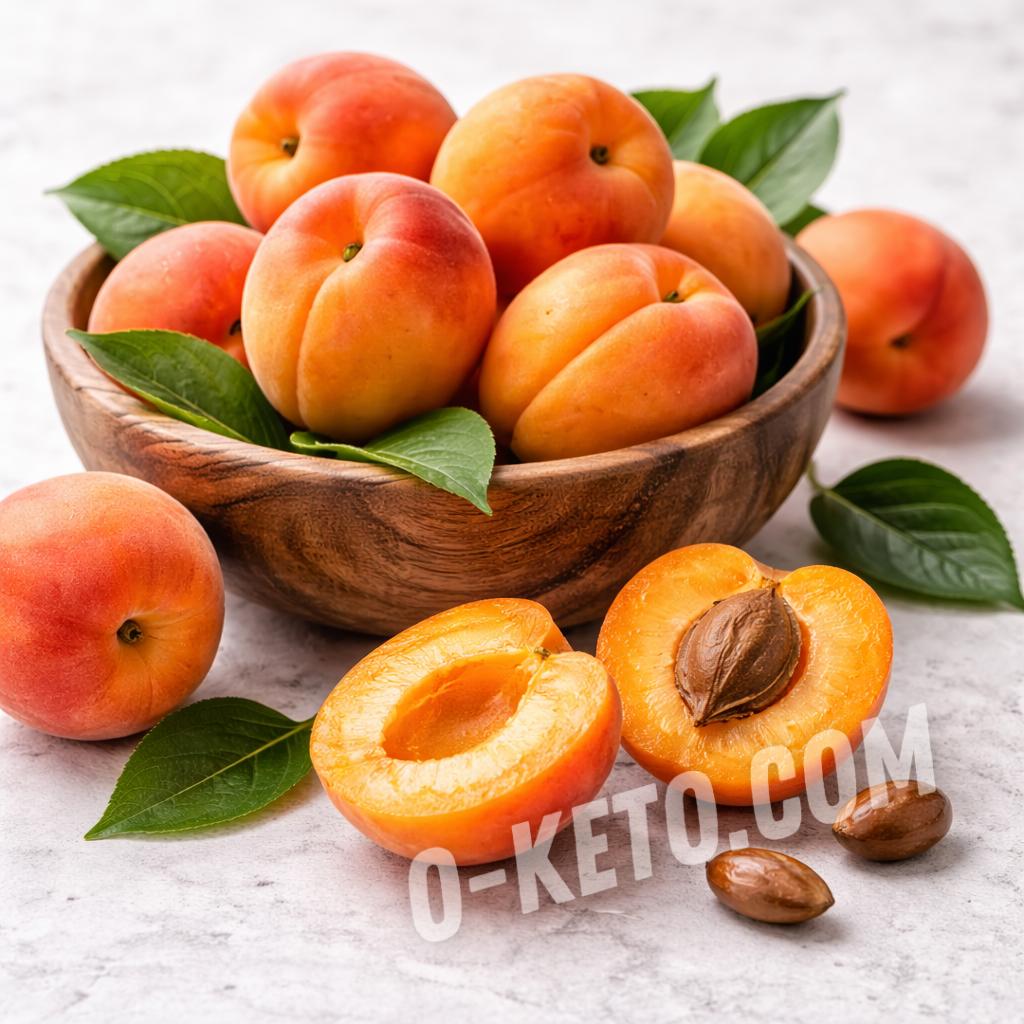

Zherdela is a variety of apricot that is widely distributed in Eastern European and Central Asian countries. The fruits are characterized by their aromatic juicy pulp, pleasant sweet-sour taste, and bright orange color. Due to their composition, zherdela is used not only in cooking but is also considered a source of various biologically active substances.
The fruit is valued for its content of carotenoids, vitamins, and minerals. Zherdela is consumed fresh, dried, and used to make jams, sauces, and desserts. Despite its beneficial composition, the fruit contains a noticeable amount of natural sugars, so its consumption is usually limited in low-carbohydrate diets.
History and Origin
Apricots originate from the mountainous regions of Central Asia, where they were first cultivated several thousand years ago. From there, the plant spread to China, Persia, and further to the Mediterranean. Later, the culture was introduced to Europe and other continents.
In different regions, distinct varieties of apricot have developed. Zherdela usually refers to smaller and more aromatic fruits that are often found in the southern regions of Eastern Europe. These trees adapt well to warm climates and can yield abundant harvests.
Nutritional Value
Fresh zherdela is classified as a moderately calorie fruit and primarily contains carbohydrates. On average, per 100 g of the product, there are:
The fruits also contain a number of vitamins and minerals:
Carotenoids give the fruits their characteristic orange color and participate in the antioxidant protection of the body. Potassium plays a role in maintaining water-electrolyte balance, while vitamin C is involved in the immune system’s functioning.
Use in Nutrition
Zherdela is actively used in cooking due to its vibrant taste and aroma. The fruits are consumed fresh, dried, or used in various dishes:
- fresh fruits are eaten as a dessert or snack;
- used to make jams, jellies, and compotes;
- added to fruit salads and desserts;
- prepared as sauces for meat dishes.
In dried form, apricots become a more concentrated source of sugars and energy. Therefore, in low-carbohydrate diets, small portions of fresh fruits are usually preferred.
Consumption Features
Zherdela contains natural sugars, so it is used sparingly in strict low-carbohydrate diets. Small portions of fresh fruits are sometimes included in the diet as a source of flavor and variety.
Dried apricots have a higher concentration of sugars and calories since water is removed from the fruits. For this reason, they are usually consumed less frequently and in smaller quantities.


