


Adipokines
Signaling molecules from fat tissue, including leptin, adiponectin, resistin, and inflammatory cytokines, connect the amount and state of fat with appetite, insulin resistance, inflammation, and vascular risk.
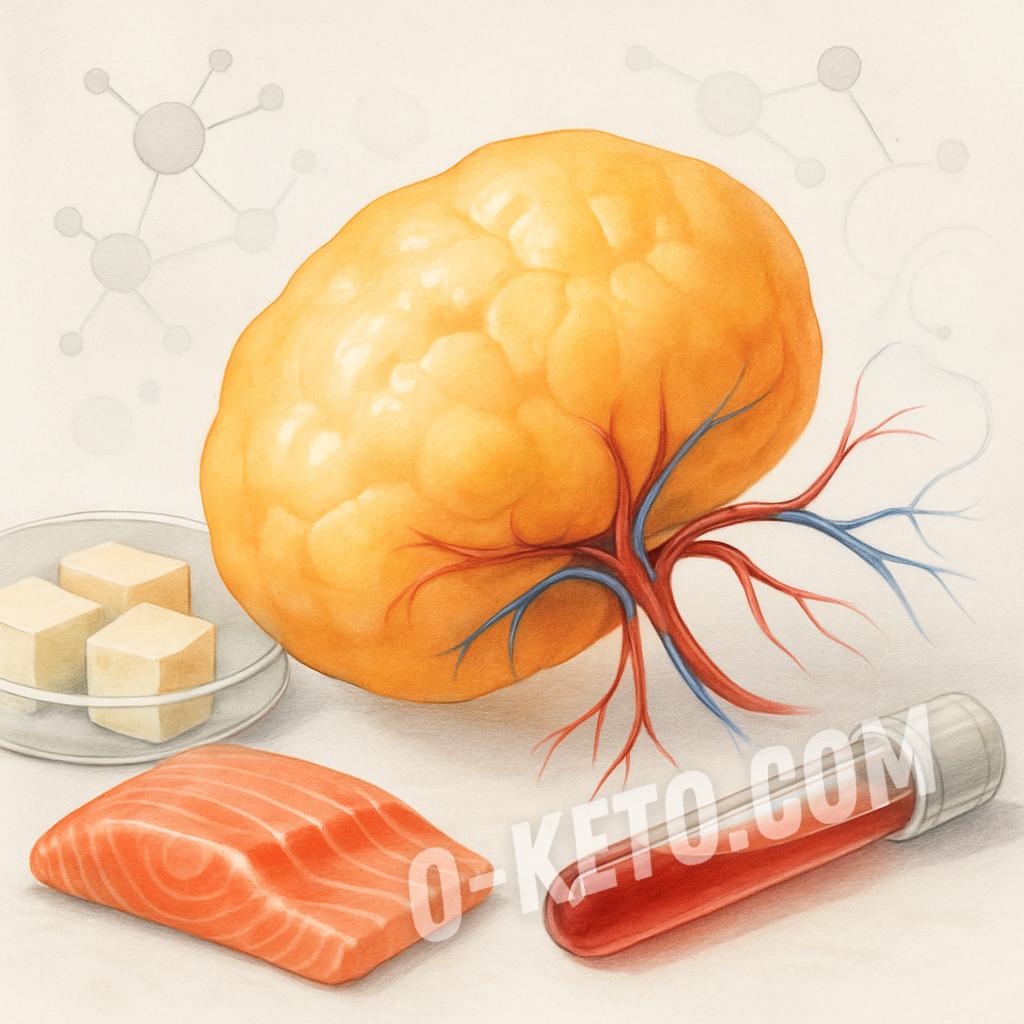
Adipokines are signaling molecules produced by fat tissue that allow it to communicate with the brain, liver, muscles, pancreas, immune system, and blood vessels. Fat tissue is not just an energy warehouse. It is an endocrine organ that releases hormones, cytokines, and other mediators. Through adipokines, the amount of fat, its location, and its inflammatory state can influence appetite, insulin sensitivity, blood pressure, lipids, clotting, and chronic inflammation.
The best-known adipokines are leptin and adiponectin. Leptin informs the brain about energy stores, but in obesity leptin resistance often develops: leptin is high, yet the signal of satiety and energy sufficiency works poorly. Adiponectin is generally associated with better insulin sensitivity and a less inflammatory profile, and it is often lower in visceral obesity. This is why the quality and location of fat tissue matter, not only total body weight.
What adipokines do
Leptin helps regulate appetite, reproductive function, immunity, and energy expenditure. When fat stores are very low or a person remains in a severe calorie deficit for a long time, leptin falls, and the body may reduce reproductive function, increase hunger, and conserve energy. When fat mass is high, especially visceral fat, leptin may be abundant while the brain responds poorly to it. This is one reason obesity is not simply weak willpower.
Adiponectin helps muscles and the liver handle fatty acids and glucose more effectively and is linked with lower inflammation and a more favorable metabolic profile. Resistin, visfatin, TNF-alpha, IL-6, and other mediators can strengthen inflammatory signaling, especially when fat tissue is enlarged, poorly oxygenated, infiltrated by immune cells, and under stress. Visceral fat is usually more metabolically active and more harmful than subcutaneous fat.
Obesity, insulin, and inflammation
When fat cells are overfilled, they store fat less safely. Fatty acids more easily spill into the blood, liver, and muscles, worsening insulin resistance. Immune cells in fat tissue can maintain chronic low-grade inflammation. The adipokine profile changes: fewer protective signals and more pro-inflammatory signals. This helps explain the connection between visceral obesity, type 2 diabetes, fatty liver disease, hypertension, and atherosclerosis.
Adipokines also matter when body fat is too low. In people with very low fat mass, excessive training, eating disorders, or prolonged energy deficit, falling leptin may be associated with menstrual disruption, lower libido, feeling cold, hunger, and poor recovery. Fat tissue is necessary. The issue is its amount, location, and functional state.
Keto and practical meaning
Low-carbohydrate eating may improve the adipokine profile when it helps reduce visceral fat, glucose, insulin, triglycerides, and inflammatory load. Ketosis alone does not guarantee that adipokines have become healthy. If a person overeats, sleeps poorly, moves little, loses muscle, or lives under chronic stress, fat tissue may remain dysfunctional even with low carbohydrate intake.
In everyday practice, it is usually more useful to track indirect signs than adipokines themselves: waist size, blood pressure, glucose, HbA1c, triglycerides, HDL, liver enzymes, C-reactive protein, sleep, hunger, and recovery. Measuring leptin or adiponectin may be interesting in research or selected clinical situations, but it is rarely the first step. For most people, the priority is reducing visceral fat, preserving muscle, eating enough protein, sleeping, and moving regularly.
What improves fat tissue signaling
The adipokine environment usually improves most with loss of excess visceral fat, strength training, walking, adequate sleep, smoking cessation, treatment of sleep apnea, better glucose control, and a diet without constant energy surplus. Protein supports muscle preservation, while fiber, vegetables, fermented foods, and polyphenols may support the microbiota and inflammatory profile. This is not a quick hack. It is a change in the environment that allows fat tissue to stop acting like a chronically inflamed organ.
If you have any questions about the term "Adipokines", you can ask them to AI. Please note, a low-cost OpenAI model is used. It may answer questions about disease treatment with errors!


 1 / 4
1 / 4
 1 / 4
1 / 4 1 / 4
1 / 4 1 / 4
1 / 4


