


Hypoxemia
Hypoxemia is reduced oxygen level in arterial blood, and it matters not only as an oxygen-saturation number but as a sign that ventilation, lung gas exchange, pulmonary blood flow or oxygen delivery are no longer working normally.




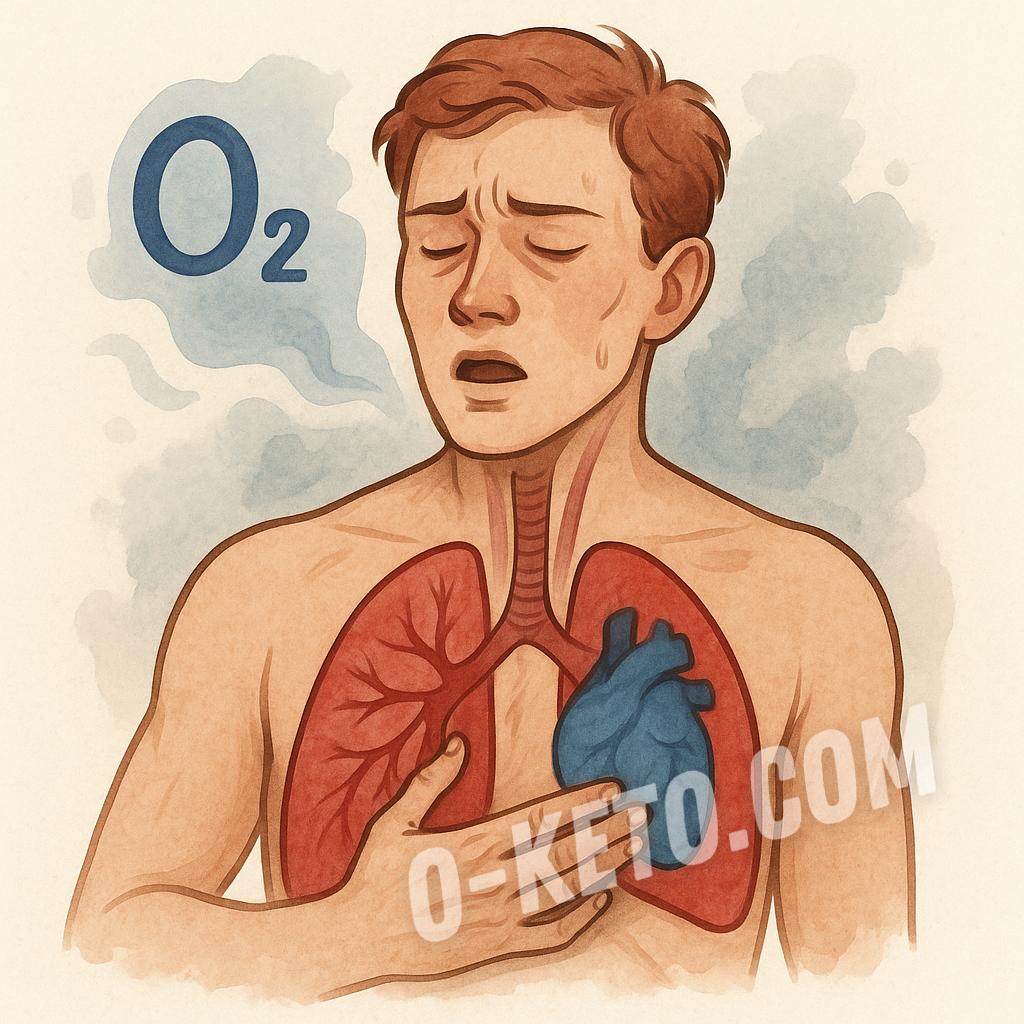
Hypoxemia is a reduction in the oxygen level of arterial blood, meaning tissues are receiving less oxygen than they need for normal function. In everyday life people often discover it through oxygen saturation on a pulse oximeter, but the number itself does not explain the cause. Hypoxemia matters because it signals that ventilation, gas exchange, pulmonary circulation or other oxygen-delivery mechanisms are not functioning properly. It is therefore not an isolated “saturation diagnosis,” but a physiological state that usually reflects a real clinical problem that needs explanation.
Why oxygen in the blood drops
There are several possible mechanisms: lung disease, pneumonia, pulmonary edema, severe bronchospasm, hypoventilation, pulmonary embolism, some heart-lung disorders and impaired diffusion across the alveolar membrane. In some people altitude contributes, in others the problem is inadequate ventilation, and in still others multiple mechanisms are active at once. That is why hypoxemia cannot be handled safely by feelings alone without understanding why it developed. The same saturation value may mean something very different in chronic lung disease compared with acute pneumonia.
The more precisely the mechanism is understood, the better the urgency and next steps can be judged.
How it may present
Typical manifestations include shortness of breath, faster breathing, weakness, anxiety, air hunger, bluish color, tachycardia, dizziness and reduced exercise tolerance. Yet hypoxemia can sometimes progress more quietly than expected, especially in someone who has adapted to chronic lung disease or relies only on the feeling that they are “still managing.” That is why oxygen saturation and overall clinical appearance must be read together: symptoms matter, but do not always fully reflect the depth of oxygen deficit.
It is especially risky when someone underestimates breathlessness simply because the decline developed gradually.
Why saturation alone is not enough
A pulse oximeter is useful, but it has limitations. Poor perfusion, cold hands, movement, nail polish and device accuracy can all affect the reading. One saturation value also says little by itself about work of breathing, carbon dioxide status or the cause of deterioration. Some people with borderline saturation look relatively stable, while others already need urgent assessment because respiratory effort and overall trend are worsening. For that reason hypoxemia should always be read through the combination of the number, symptoms and clinical context.
The device gives an orientation point, but not the whole meaning of the situation.
What determines severity
Severity depends on the underlying disease, the speed of onset, the presence of chronic lung or heart disease, age and the person’s overall physiological reserve. One person tolerates a drop worse because of cardiovascular strain, another because of inflammation, obesity, anemia or depletion. When hypoxemia is combined with infection, marked inflammation or altered mental status, its clinical importance rises sharply. This is why looking only at saturation without looking at the patient around that number is a poor strategy.
The body responds not only to the absolute oxygen level, but also to how fast it fell and in what context.
When urgent review is needed
Urgent review is needed with worsening shortness of breath, chest pain, bluish color, confusion, marked weakness, falling oxygen saturation or any sense that breathing is no longer coping. The most sensible way to think about hypoxemia is not as a household or laboratory number, but as a clinical sign of inadequate oxygenation that demands a search for cause and an assessment of seriousness.
Common mistakes in hypoxemia
A common mistake is to reduce the issue either to the oximeter number alone or only to the feeling that “I can still breathe somehow.” Hypoxemia has to be read through the device, the work of breathing and the overall clinical state together. That combined view is what helps avoid missing cases in which the number is not yet dramatic but the organism is already failing to oxygenate well.
If you have any questions about the term "Hypoxemia", you can ask them to AI. Please note, a low-cost OpenAI model is used. It may answer questions about disease treatment with errors!


