


Thrombolytics
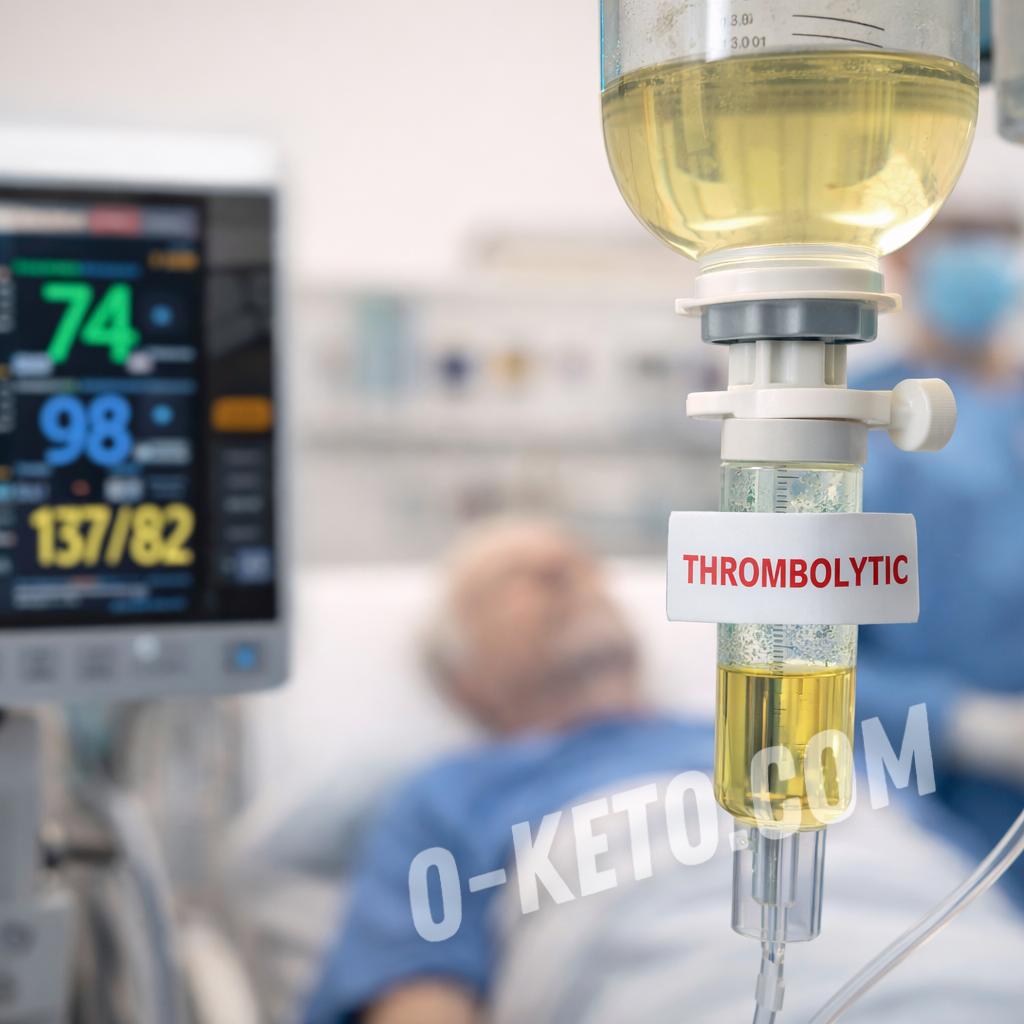
Thrombolytics — are medications used to dissolve already formed blood clots that obstruct blood flow in arteries or veins. They are used in acute ischemic conditions when rapid restoration of blood supply can preserve tissue viability and reduce the risk of severe consequences.
Unlike anticoagulants, which reduce the likelihood of new clot formation, thrombolytics act directly on the existing clot, accelerating the breakdown of the fibrin structure.
Mechanism of Action
The action of most thrombolytics is based on the activation of plasminogen to form plasmin — an enzyme that breaks down the fibrin mesh of the clot. As a result, partial or complete lysis of the clot occurs, restoring blood flow in the affected vessel. The effectiveness of therapy directly depends on the timing of treatment initiation, the location of the clot, and the state of the coagulation system.
The use of thrombolytics always requires strict monitoring of hemodynamics and laboratory indicators.
Main Groups of Medications
- tpa and its analogs, including alteplase: used in ischemic stroke and acute myocardial infarction according to strict clinical protocols;
- streptokinase: a less selective drug associated with a higher risk of bleeding and immune reactions;
- urokinase: used less frequently and requires careful monitoring of coagulation parameters.
Indications and Time Frames
Thrombolytic therapy is indicated in acute ischemic conditions, primarily in ischemic stroke and myocardial infarction in the absence of contraindications. The key factor is time: in stroke, the therapeutic window is usually limited to the first 4–4.5 hours from the onset of symptoms, and in myocardial infarction — the first hours from the onset of pain.
The sooner blood flow is restored, the lower the volume of irreversible tissue damage and the risk of fatal outcomes.
Side Effects and Contraindications
The main risk of thrombolytic therapy is bleeding, including intracranial and gastrointestinal hemorrhages. Contraindications include active bleeding, recent surgeries or head injuries, uncontrolled arterial hypertension, significant coagulation disorders, and other conditions that increase the risk of hemorrhagic complications.
The use of thrombolytics is permissible only in a hospital setting with the possibility of round-the-clock monitoring.
If you have any questions о термине "Thrombolytics", you can ask them to our bot.
List of videos from YouTube by request "Thrombolytics":


