


Ulcerative colitis
Ulcerative colitis is a chronic inflammatory bowel disease that affects not only bowel symptoms but also protein status, iron balance, hydration, and food tolerance.
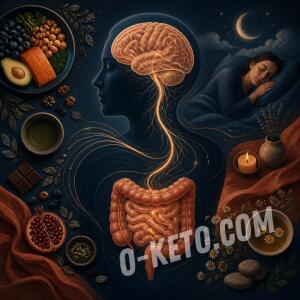



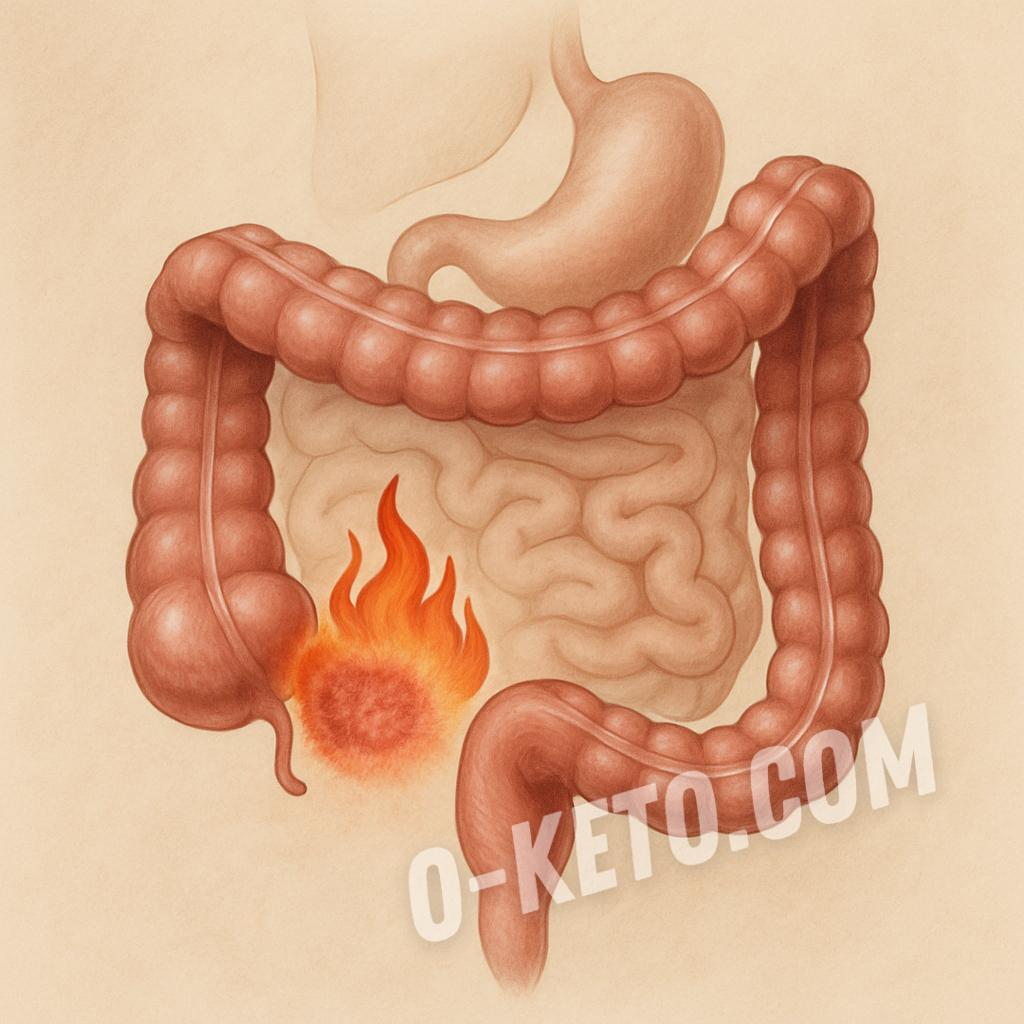
Ulcerative colitis is a chronic inflammatory bowel disease in which inflammation affects the lining of the colon and usually spreads in a continuous pattern rather than in scattered patches. For the patient, the problem is not limited to bowel movements or abdominal pain. The disease can affect energy, nutrient status, protein balance, food tolerance, hydration, and overall quality of life. That is why ulcerative colitis should not be reduced to one diet or one supplement strategy. It usually requires gastroenterology care together with careful daily support.
What happens in ulcerative colitis
The core problem is chronic inflammation of the colonic mucosa. This can lead to frequent stools, mucus, blood, urgency, cramping, abdominal pain, and pronounced fatigue. Some people experience flares and remissions, while others stay in a more persistent state of activity that gradually drains body resources. Even when symptoms seem moderate, prolonged inflammation may worsen iron status, protein balance, folate, vitamin B12, vitamin D, and overall recovery capacity.
It is important to understand that ulcerative colitis is not simply “sensitive digestion” and not merely a reaction to stress or one wrong food. Foods can aggravate symptoms during active disease, but the condition itself is an inflammatory bowel disease that needs medical supervision. If everything is blamed only on diet, anemia, ongoing inflammation, and protein loss may be missed.
When the condition deserves special attention
Blood in the stool, worsening urgency, nighttime bowel movements, weight loss, fever, marked weakness, dehydration, and increasing pain are all reasons for greater caution. During active disease it is usually unwise to experiment with extreme eating patterns. Many people temporarily tolerate rough fiber, excess fat, alcohol, spicy food, and chaotic meal patterns poorly, but exact triggers remain individual.
Extra attention is also needed outside an obvious flare if fatigue persists, ferritin stays low, albumin falls, body weight drops, muscle mass declines, or ordinary foods become unpredictably difficult. That may suggest that inflammation is still active or that the person has become nutritionally depleted even without dramatic symptoms.
Which tests help
Useful markers often include a complete blood count, ferritin, C-reactive protein, albumin, total protein, vitamin D, sometimes B12 and folate, and stool calprotectin. Calprotectin is especially useful because it reflects intestinal inflammatory activity better than mood or symptom impression alone. A patient may feel “not too bad” while inflammatory burden is still clearly active.
These markers are best interpreted together. Low hemoglobin, low ferritin, and low albumin in the setting of bowel symptoms suggest more than simple tiredness. They point toward deeper resource loss. If calprotectin or inflammatory markers are also elevated, the likelihood of active disease becomes stronger. That context matters more than one random food reaction.
Nutrition and keto or LCHF context
No single diet works for every patient with ulcerative colitis. During remission, some people do well with a moderate lower-carbohydrate pattern that still provides enough protein and uses foods that are individually well tolerated. During an active flare, even foods that are generally considered healthy may be irritating if they contain rough fiber or are simply too demanding for the inflamed mucosa. In practice, diet here is less about ideology and more about reducing symptom burden while preserving nutritional status.
If someone uses keto or LCHF, it becomes especially important not to slip into protein, calorie, or electrolyte deficiency. Inflammatory bowel disease is not a setting where a person should rely on fat alone while neglecting protein support. Any lower-carbohydrate strategy has to be adapted to disease phase, digestion, and recovery needs rather than followed rigidly.
Why oversimplification is risky
A common mistake is to think that removing “trigger foods” will automatically make the disease disappear. The opposite mistake is to ignore diet entirely and focus only on medication. In reality, ulcerative colitis usually needs two parallel lines of care: control of inflammation and careful support of the organism. The most reasonable approach is to view it as a chronic inflammatory intestinal disorder in which medical monitoring, laboratory follow-up, food tolerance, and correction of deficiencies work together rather than competing with each other.
If you have any questions about the term "Ulcerative colitis", you can ask them to AI. Please note, a low-cost OpenAI model is used. It may answer questions about disease treatment with errors!


 1 / 4
1 / 4 1 / 4
1 / 4 1 / 4
1 / 4

