






Lycopene, being one of the most powerful natural antioxidants, plays an important role in maintaining human health. This pigment gives tomatoes, watermelons, and other fruits and vegetables their red color and is known for its potentially beneficial properties for the cardiovascular system.
In addition to its antioxidant activity, lycopene is involved in various biochemical pathways and may influence cholesterol levels in the blood.
Health Benefits
Cancer prevention. Studies show that high lycopene intake is associated with a reduced risk of certain types of cancer, especially prostate cancer.
Skin health. It helps protect the skin from damage caused by ultraviolet radiation and aging.
Cardiovascular health. Research shows that regular lycopene intake may lower levels of bad cholesterol and blood pressure.
Vision improvement. Some studies suggest that it may help protect the retina from damage.
Anti-inflammatory properties. It may help reduce inflammation in the body, contributing to overall health improvement.
Testosterone. Some studies indicate that lycopene may help increase this hormone level in men.
Diabetes. Research shows that it may improve insulin sensitivity and help control blood sugar levels.
Brain health. Some studies suggest that it may reduce the risk of neurological diseases such as Alzheimer’s disease.
Food Sources
The highest amounts of lycopene can be found in the following foods:
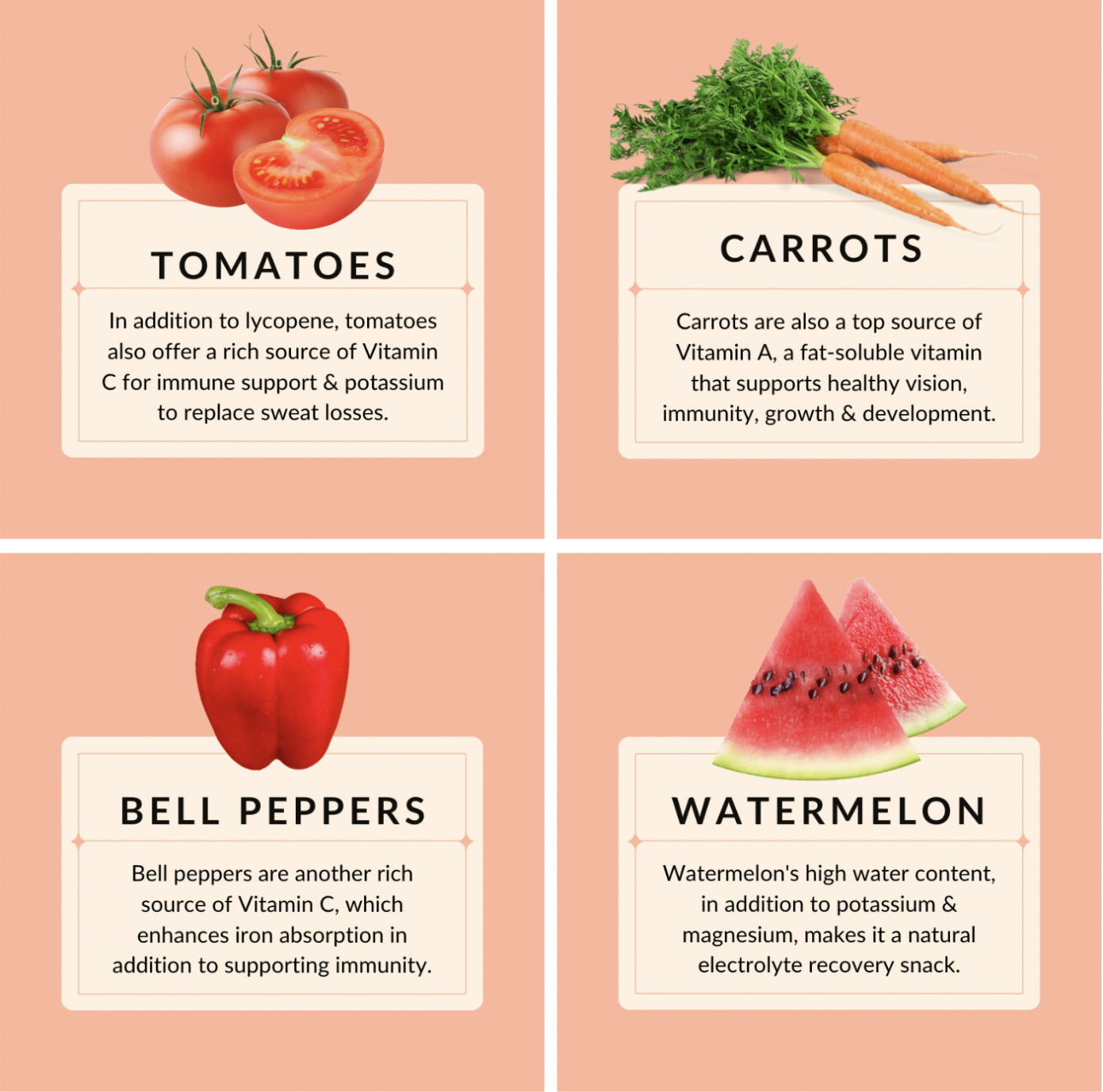
- Tomatoes – the most well-known and widely available source of lycopene, especially concentrated in tomato sauce and tomato paste. Overall, tomatoes contain lycopene in the highest concentration compared to other foods.
- Watermelon – contains lycopene in large amounts, which also gives this sweet fruit its bright red color.
- Pink grapefruit – its distinctive pink hue is due to the presence of lycopene.
- Papaya, guava, and mango – tropical fruits that are also good sources of lycopene.
The highest amounts of lycopene can be found in the following foods available on a keto diet:
- Tomatoes (especially tomato paste and sauces without added sugar).
- Red pepper.
Daily Requirement and Bioavailability
Daily requirement for lycopene is not established, as it is not classified as an essential vitamin or mineral.
The bioavailability of lycopene depends on many factors, including food processing, dietary composition, and individual body characteristics.
Heat treatment, for example, cooking tomato sauce, increases the bioavailability of lycopene compared to raw tomatoes due to the breakdown of cell walls.
For optimal absorption, it is recommended to combine foods containing lycopene with sources of healthy fats, such as avocado or olive oil.
Possible forms and their absorption
Nutrient forms are listed from best to worst:
Deficiency and Associated Health Risks
Lycopene deficiency in the diet may reduce the body’s protection against oxidative stress, potentially increasing the risk of chronic diseases, including cardiovascular diseases and certain types of cancer.
Lycopene Excess: Myths and Reality
Questions about the possible excess of lycopene often arise; however, documented cases of adverse effects from excessive lycopene consumption on human health are not confirmed.
Hyperlycopenemia, or elevated levels of lycopene in the blood, may manifest as orange or reddish discoloration of the skin, but this condition is not considered dangerous and usually resolves after reducing the intake of lycopene-rich foods.
Studies show that with moderate consumption of foods containing lycopene, the likelihood of excess is extremely low.
Toxic effects of excessive lycopene consumption have not been identified, making it safe even at high levels of intake through natural food sources.
Interesting Facts About Lycopene
Lycopene is a carotenoid. It is a natural pigment that gives red color to many fruits and vegetables, such as tomatoes, watermelons, and grapefruits.
Lycopene was discovered in 1831. This pigment was first isolated from tomatoes by Swiss chemist Wilhelm Heinrich.
The color of foods does not always indicate the lycopene content. For example, watermelons and pink grapefruits also contain lycopene but have different colors.
Lycopene is not water-soluble. It is better absorbed when combined with fats, so adding olive oil to dishes with tomatoes can enhance its bioavailability.
Lycopene is also present in some berries. Strawberries and raspberries contain small amounts of lycopene, although in lower concentrations than tomatoes.
Lycopene is used in the food industry as a natural coloring agent. It is used to color various products, including juices and candies.