


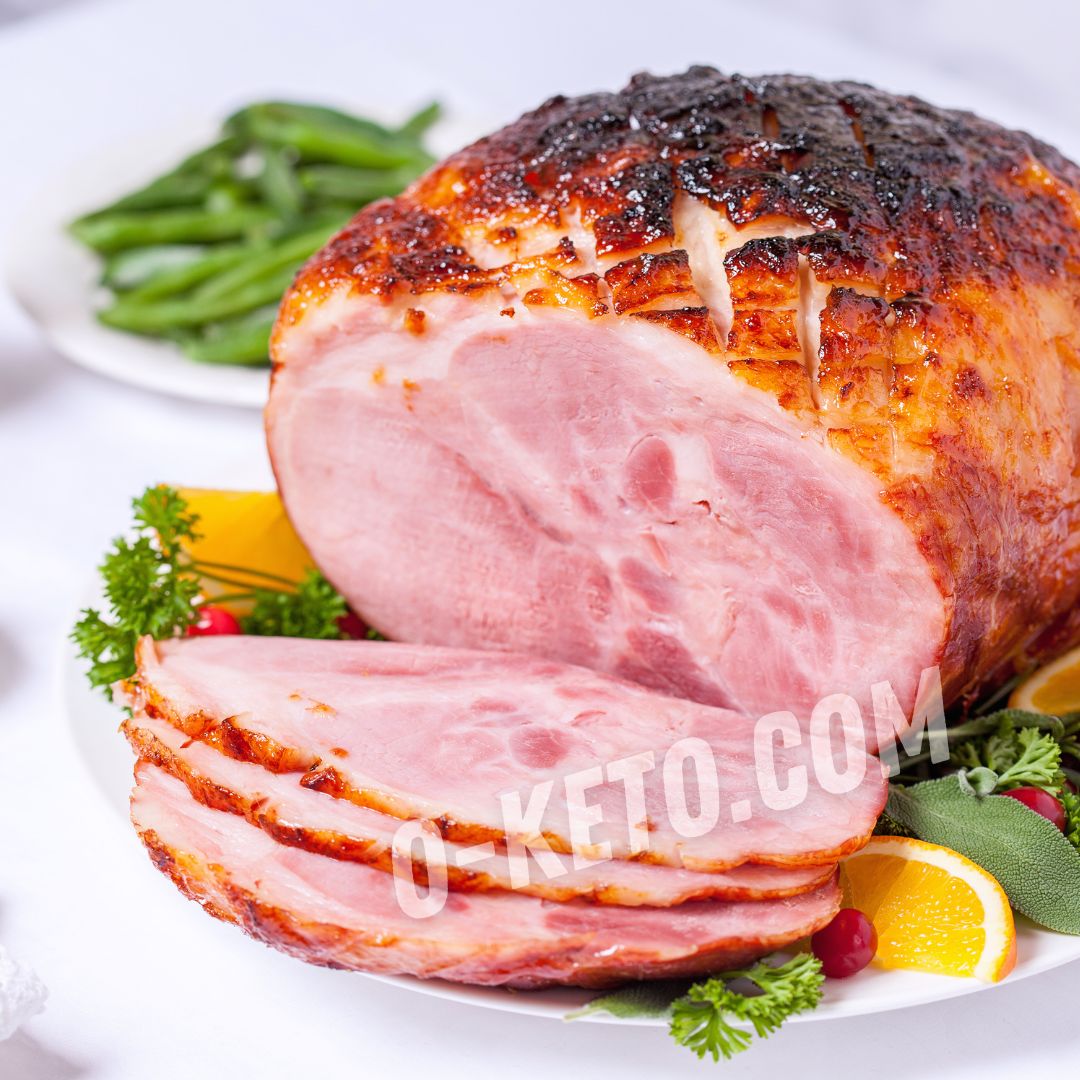

Buzhenina is a baked piece of meat, usually pork, cooked with salt, garlic and spices. In Slavic cuisine it was traditionally served for holidays and large family meals, and today it is often used as cold sliced meat, a hot main dish or a replacement for store-bought sausage.
For keto, buzhenina can be a good product if the marinade contains no sugar, honey, starch or sweet sauces. It is meat with minimal carbohydrates, but composition and preparation decide everything: a homemade piece and store-bought slices can differ greatly.
Nutrition
Exact values depend on the cut. Lean buzhenina will be higher in protein, while neck or ham with fat will be more calorie-dense and juicy. Plain buzhenina has a glycemic index close to zero because meat contains almost no carbohydrates.
Pork contains protein, B vitamins, iron, zinc and phosphorus. These nutrients are typical of meat, but buzhenina should not be described as a product for special effects. Its value is satiety, flavor, clear composition and convenience when served cold.
Is It Keto-Friendly?
Yes, if it is made without sugar and starchy additions. It pairs well with herbs, cucumbers, sugar-free sauerkraut, sugar-free mustard, horseradish, eggs, cheese and salads. Unlike many sausages, homemade buzhenina can have a very short ingredient list.
Ready products need attention: marinades may contain sugar, dextrose, syrup, starch, flavor enhancers and a lot of salt. A sweet glaze or sauce turns low-carb meat into a less suitable option.
How to Cook and Serve
The classic approach is to rub meat with salt, garlic, pepper, paprika, bay leaf, sugar-free mustard or herbs, then bake until done and let it rest. For juiciness, use a cut with moderate fat and avoid drying it out in the oven.
Practical serving options include:
- cold slices with cucumber and herbs;
- a hot piece with cauliflower;
- salad with buzhenina, egg and sugar-free mayonnaise;
- a keto roll in a lettuce leaf;
- breakfast with eggs and sugar-free mustard.
How to Choose and Store
In ready-made buzhenina, look for a clear ingredient list: meat, salt, spices, garlic. The more sugar, starch, sauces and vague additives appear, the worse it is for strict keto. Very wet slices with watery taste often mean a lot of brine.
Homemade buzhenina should be kept refrigerated, tightly covered, and sliced with a clean knife. For longer storage, freeze part of it. Sour smell, stickiness or gray color means it is better not to use it.
Limits and Substitutes
Buzhenina can be salty and calorie-dense, especially from a fatty cut. Portion size should fit the whole day rather than treating meat as a “zero” food. If salt is limited, choose a less salty homemade version.
Substitutes include roasted turkey, chicken breast, roast beef, ham with clean ingredients, sugar-free pork belly or a plain piece of roasted meat. The key is a simple meat base without sweet glaze or breading.
Portion and Plate Balance
Buzhenina is filling, especially when made from a cut with fat. For one plate, a few thin slices and a bulky side are often enough: green salad, cucumbers, sugar-free sauerkraut, mushrooms or cauliflower. Then meat is not the only element of the dish.
If buzhenina is a little dry, serve it with butter, sugar-free mayonnaise, cream sauce, sugar-free mustard or horseradish. If the piece is very fatty, add more fresh vegetables and acidity. Balance matters more than simply choosing the fattiest option.
A common mistake is buying buzhenina as a “better sausage” without reading the ingredient list. Store versions may contain sugar, stabilizers, flavor enhancers and a lot of brine. A homemade version is easier to control: meat, salt, garlic, spices and careful baking.
How to Keep Buzhenina Juicy
Buzhenina turns out better when the meat has time to season and is not kept in the oven longer than necessary. A piece with a little fat stays juicier. After roasting, the meat should rest: if it is sliced immediately, juices run out faster and the slices become drier.
For cold slices, chill the meat completely and cut it thinly with a sharp knife. For hot serving, use sugar-free sauce, mustard, horseradish, sour cream or meat juices rather than a sweet glaze.


