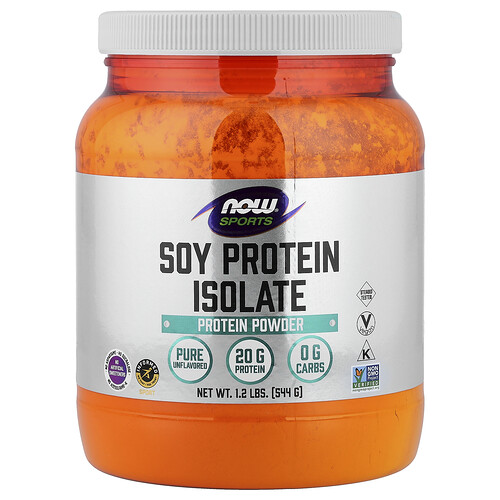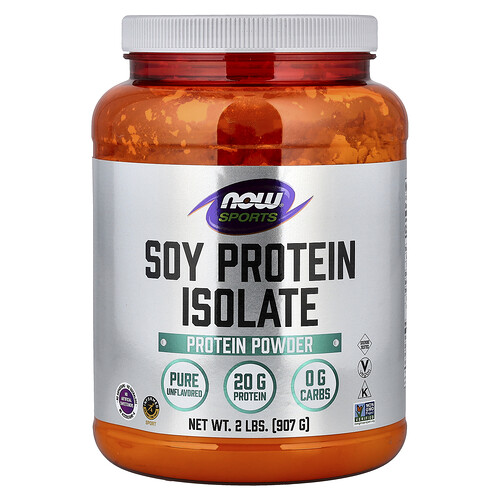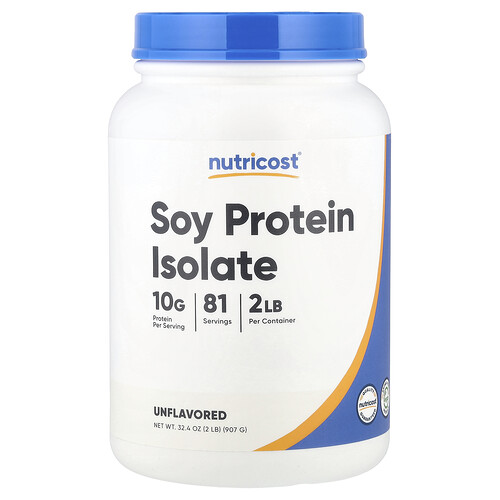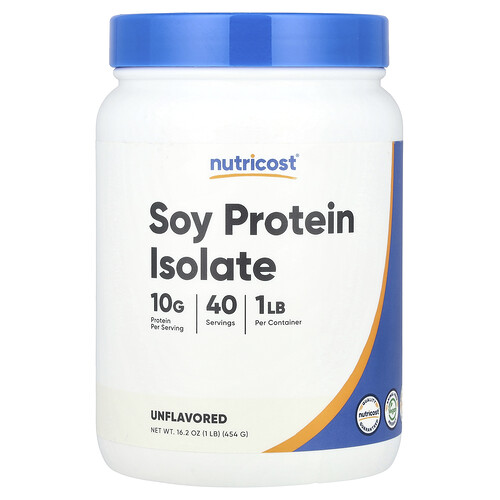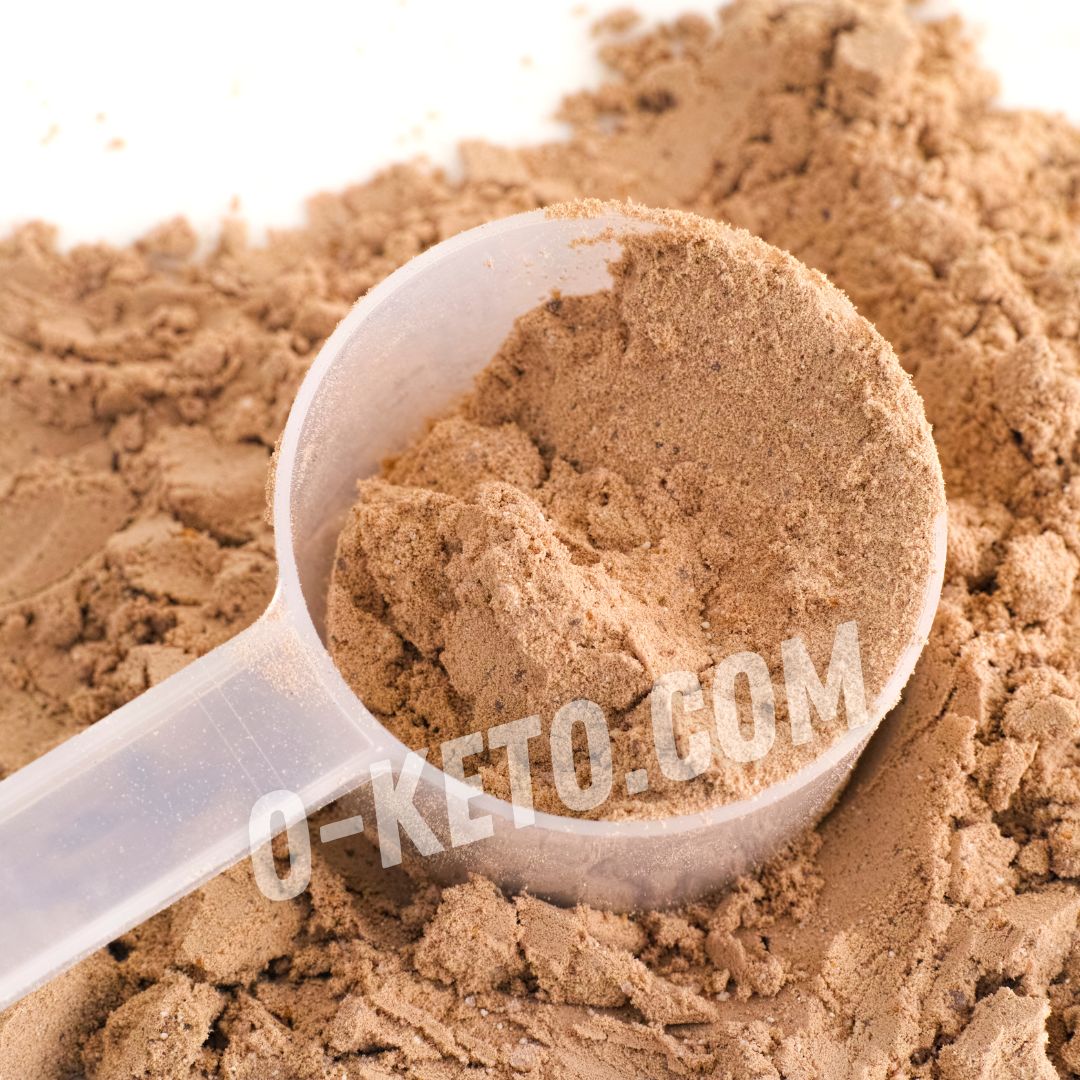

Soy protein isolate is a powdered product made from soybeans, with much of the fat and carbohydrate removed so that the protein fraction remains concentrated. It is used in protein shakes, bars, keto baking, coatings, minced mixtures, sauces, and vegan dishes. Unlike whole soy, tofu, or soy flour, isolate brings little bean flavor but can strongly affect recipe texture.
For keto and LCHF, it is useful as a way to add protein without many carbohydrates. It is especially convenient for people who do not use dairy proteins or want a plant-based option. It should not be treated as food replacing food, though; it is better viewed as an ingredient that solves a protein task in a specific dish or drink.
Nutritional value
Per 100 g, soy protein isolate is often listed with about 350 kcal, around 90 g of protein, 1-2 g of fat, and 3-5 g of carbohydrates. Reference glycemic index values are low, around 15. Exact numbers depend on the producer, flavorings, and additives, so strict tracking should use the label of the exact product.
Soy protein is a complete plant protein and contains all essential amino acids. It may also contain iron, magnesium, and zinc. Still, isolate should not become the base of the diet: it has little natural food matrix, little fat, and almost none of the culinary volume that whole foods provide.
Place in keto and LCHF
Plain soy protein isolate usually fits keto if it contains no sugar, maltodextrin, starch, or sweet fillers. A 20-30 g serving can add a lot of protein with very few carbohydrates. Prepared protein blends vary, though: chocolate, vanilla, and fitness-style products may contain sweeteners, thickeners, and flavorings that do not suit everyone.
In a keto menu, it is important not to overdo protein powders or let them replace normal meals. Isolate is better paired with fat and fiber: cream, unsweetened coconut milk, nut butter, eggs, chia seeds, flax, unsweetened cocoa, or a vegetable dish. This makes the meal more complete.
How to use
For a shake, mix isolate with water, unsweetened almond or soy milk, coconut milk, unsweetened cocoa, cinnamon, or ice. Do not pour the powder directly into hot liquid because it can clump. Mix it into cold liquid first, then warm it gently if the recipe requires heat.
In baking, soy isolate can dry the dough and make it denser. It is usually better as part of a dry mix, not the only flour. It works with eggs, cheese, almond flour, psyllium, baking powder, oil, and spices. In minced mixtures, isolate can help hold moisture, but too much creates a rubbery texture.
How to choose
Look for a product that lists soy protein isolate without sugar or starchy fillers. For neutral recipes, an unsweetened unflavored version is more practical. If buying a flavored protein, check carbohydrates per serving, sweetener type, and allergens.
The powder should be dry, without musty smell or large moisture clumps. The package should close tightly. If the isolate smells rancid, damp, or sharply chemical, choose another product.
Soy protein isolate should not be judged by common myths about “ feminizing” hormones. An updated meta-analysis of clinical studies found no significant effect of soy protein or isoflavones on testosterone or estrogens in men. The label, soy allergy, and the carbohydrate content of the specific product still matter.
Limits and storage
Soy protein is unsuitable for people with soy allergy. Some people may notice bloating or discomfort, especially with large portions or a sudden protein increase. If using isolate for the first time, start with half a serving and assess tolerance.
Store the powder in a cool dry place away from steam, sun, and strong odors. Close the package tightly after opening and use a dry spoon. For long storage, do not keep it in an open jar near spices; protein powders absorb smells easily.
Substitutes
Depending on the task, soy protein isolate can be replaced with whey isolate, egg white protein powder, pea protein, rice protein, collagen, or a protein blend. The substitution is not always equal: whey dissolves better, pea protein has its own flavor, collagen does not behave like a complete protein in baking, and egg powder changes structure more strongly.