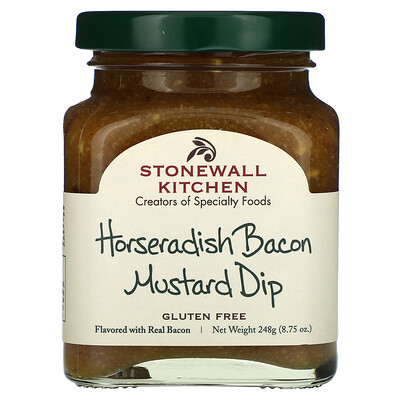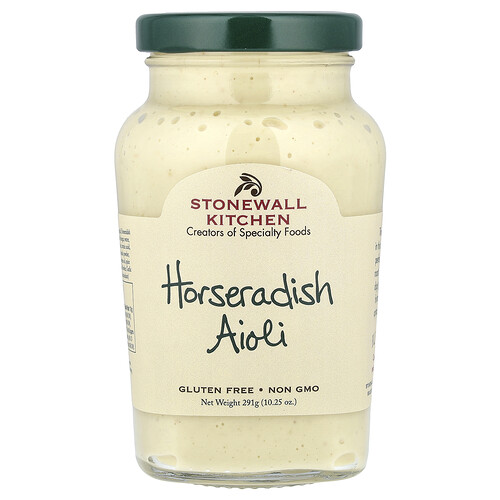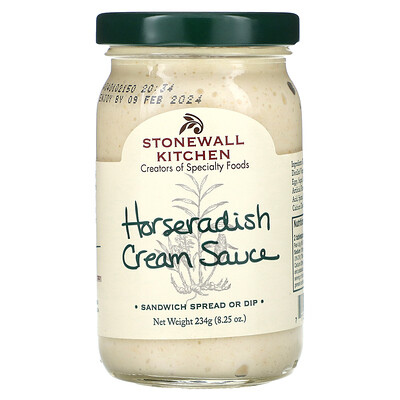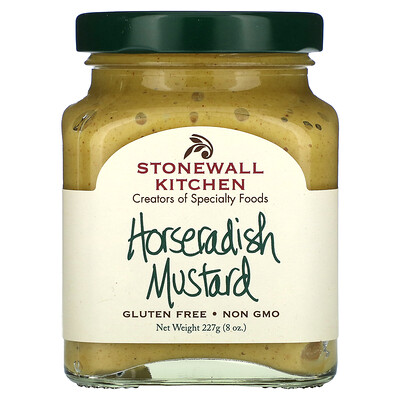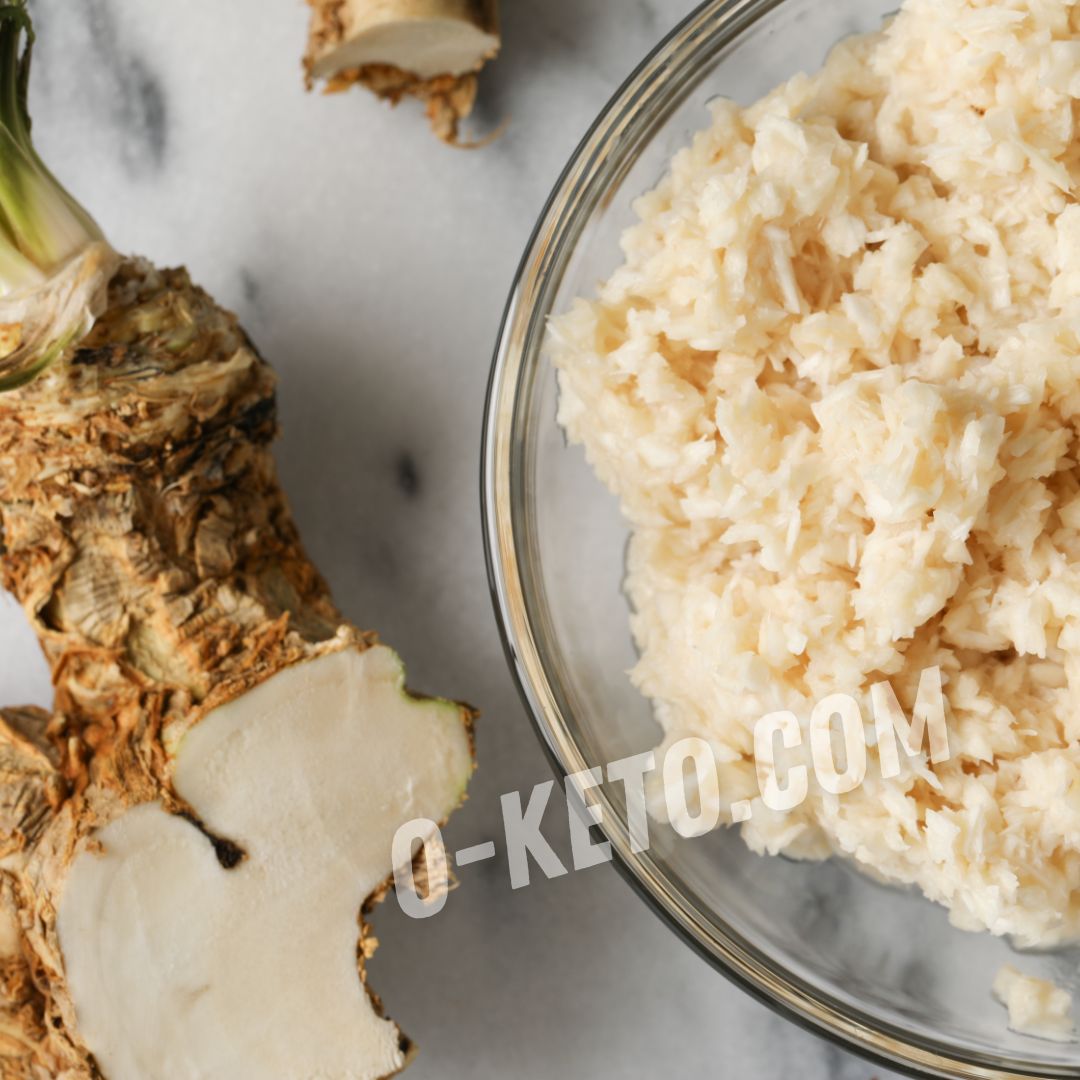

Horseradish is the sharp root of Armoracia rusticana from the cruciferous family. It is grated fresh, mixed with vinegar, salt, beetroot, cream, or sour cream, and served as a pungent condiment for meat, fish, aspic, eggs, and fatty dishes. Its main feature is volatile heat: it rises quickly into the nose, but usually does not stay in the mouth as long as hot pepper.
The fresh root almost does not smell until cut or grated. When cells are damaged, sharp mustard-like compounds form, so grated horseradish quickly becomes pungent. That is why good homemade horseradish is prepared in small amounts and closed immediately after grinding.
Nutritional value
In 100 g of fresh root there are usually about 45–60 kcal, roughly 1–2 g of protein, traces of fat, and about 10–12 g of carbohydrates, part of which is fiber. But the real serving is small: a teaspoon, a tablespoon, or a thin layer in sauce. In that dose, the carbohydrate load is usually low.
Horseradish contains vitamin C, potassium, calcium, magnesium, and glucosinolates typical of cruciferous plants. In the diet it is used mainly as a condiment, not as a main vitamin source. Ready sauces vary greatly: sugar, apple puree, syrup, starch, or a mayonnaise base are often added.
Is it suitable for keto?
Fresh horseradish and simple sugar-free sauce fit keto and LCHF well in a small portion. It makes fatty dishes brighter without sweet glazes, bread, or starchy sauces. It works especially well with aspic, roast beef, sugar-free baked pork, fish, eggs, sour cream, cream cheese, and sugar-free mayonnaise.
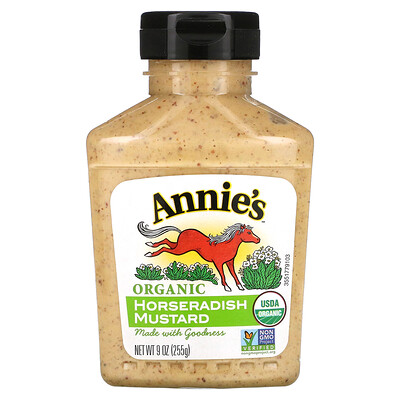
The main check is the ingredient list of the ready product. Store-bought table horseradish may contain sugar and other additions. Horseradish with beetroot also varies: if there is a lot of beetroot, there are more carbohydrates. For strict keto, it is better to make the sauce yourself or choose a product with a short ingredient list.
How to use it
The fresh root is peeled, quickly grated, and mixed with salt, vinegar, or lemon juice. Acid helps stabilize the taste, but the heat still weakens over time. For a milder sauce, horseradish is mixed with sour cream, thick unsweetened yogurt, cream, cream cheese, or sugar-free mayonnaise.
Horseradish pairs well with beef, pork, duck, herring, salmon, mackerel, eggs, cucumbers, radishes, cabbage, beetroot in a small portion, and herbs. In hot dishes it is better added at the end or served separately: long heating makes the aroma flat.
How to choose
A fresh root should be firm, heavy, without soft spots, mold, or strong dryness. A wilted root grates worse and gives less aroma. The cut should be light, without dark rings or rot. Ready sauce should smell sharp and clean, without fermentation or mustiness.
In jarred horseradish, check sugar, starch, vinegar, oil, beetroot, and preservatives. The shorter the composition, the easier it is to understand carbohydrates and flavor. If the sauce is very sweet, it is already a sweet condiment, not a clean pungent addition.
Limitations
Horseradish may irritate mucous membranes, intensify heartburn, and cause discomfort with a sensitive stomach. It should not be eaten by large spoonfuls, especially on an empty stomach. If pungent foods are poorly tolerated, start with a small portion. After grating the root, avoid touching eyes and nose.
How to store it
A whole root is kept in the refrigerator, wrapped so it does not dry out. Grated horseradish is kept in a tightly closed jar and used quickly: the aroma fades within a few days. For long storage, the root can be frozen, but after thawing the texture becomes softer.
What can replace it?
The closest replacement is wasabi, but real wasabi is rare, and ready pastes often contain sugar and starch. For similar pungency, sugar-free mustard, daikon radish, black radish, a little ginger, or sugar-free horseradish sauce can work. Chili gives a different, burning heat and does not repeat the nasal aroma of horseradish.