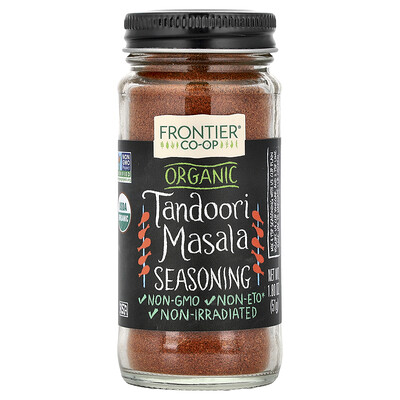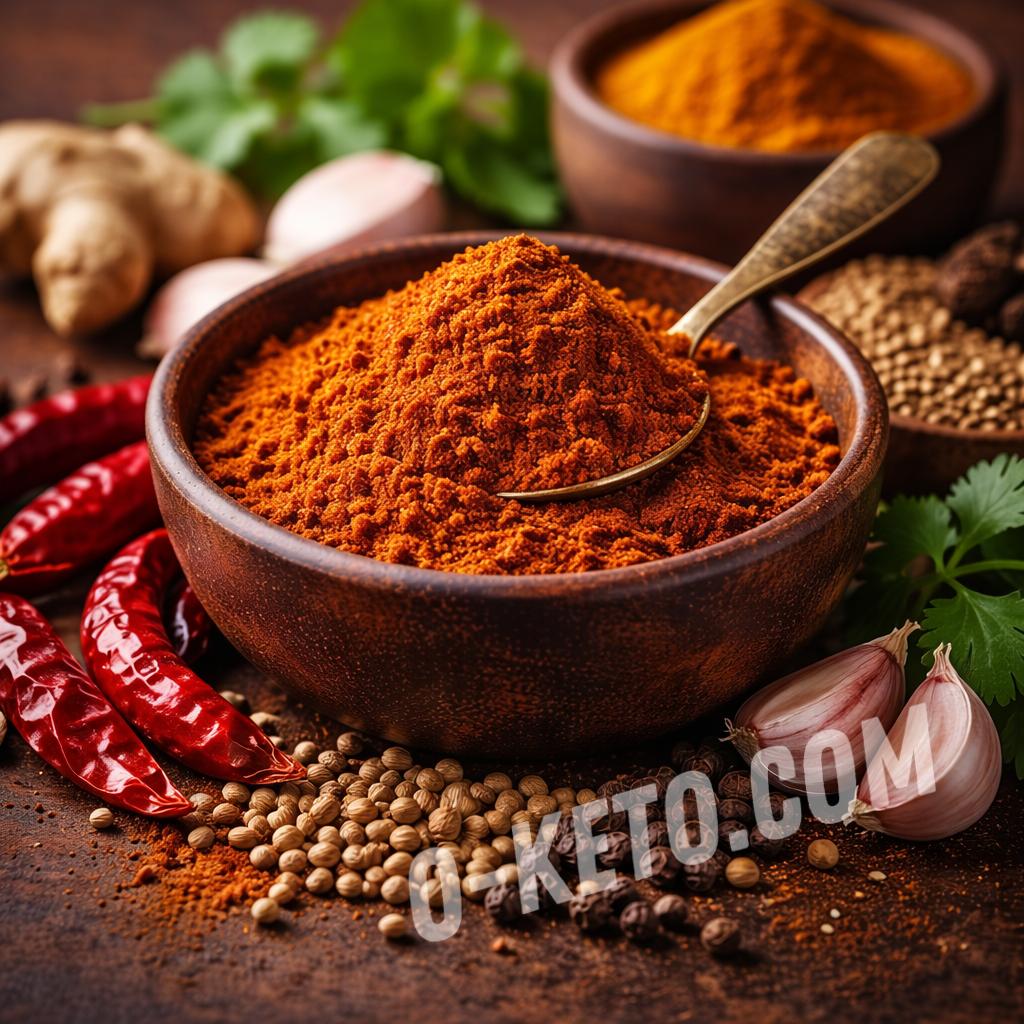

Tandoori masala is an Indian ground spice blend for marinades, roasting, and dishes with a vivid spiced aroma. The name is linked to the tandoor, a clay oven with intense heat, but the blend is now used in a regular oven, on a grill, in a pan, and in sauces. It gives meat, fish, paneer, cauliflower, and other vegetables a warm color, spice aroma, and mild heat.
Unlike a single spice, tandoori masala is built as a balance: earthy coriander and cumin, color from turmeric and paprika, warmth from ginger and garlic, heat from pepper, and sometimes fenugreek, cardamom, clove, cinnamon, or nutmeg. The formula depends on region and producer, so two jars can differ noticeably in color, salt, and heat.
Composition and flavor
The blend most often includes coriander, cumin, turmeric, paprika, red pepper, black pepper, ginger, garlic, fenugreek, and cardamom. Some versions also contain salt, citric acid, coloring, starch, or flavor enhancers. For home cooking, a mix without unnecessary sugar and with a clear spice list is easier to control.
The flavor is warm, spiced, slightly smoky, and tangy-hot if acidic components are included. It does not have to be extremely hot: in a marinade, heat can be controlled with yogurt, lemon juice, oil, and the amount of spice blend. Color ranges from orange to dark red, but a very bright shade often comes from coloring.
Is it suitable for keto?
The spice blend itself is usually used in small amounts and can fit keto and LCHF well. Still, the ingredient list matters: ready blends sometimes contain sugar, starch, flour, maltodextrin, or a lot of salt. If the mix is clean, carbohydrates from 1–2 teaspoons in a marinade are usually modest.
A keto marinade is simple: full-fat unsweetened yogurt or coconut cream, tandoori masala, lemon juice, salt, garlic, ginger, and a little oil. It works for chicken, turkey, fish, shrimp, cauliflower, zucchini, and paneer. The whole sauce and side dish should be counted, not only the spices.
How to use it
For a marinade, combine the blend with yogurt, lemon juice, and salt, then coat the food and leave it for at least 30–60 minutes. Bone-in chicken and large meat pieces need more time; fish and shrimp need only short contact, otherwise acid can make the texture loose. Before roasting, shake off excess marinade lightly so the spices do not burn.
Tandoori masala can be used beyond marinades. It works in creamy sauces, pureed soups, omelets, stewed vegetables, minced meat, patties, and yogurt dressings. If the blend tastes raw and sharp, warm it in oil for 20–30 seconds before adding the rest of the ingredients. This makes the aroma softer and deeper.
How to choose
A good blend smells fresh, spiced, and integrated, without mustiness or dusty notes. The package should show a detailed ingredient list, grinding or packing date, shelf life, and salt information. If salt is first, dosing becomes harder: the dish may become too salty before the aroma is strong enough.
For keto, choose a version without sugar, wheat flour, or starchy fillers. For a sensitive digestive tract, start with a milder blend and a smaller dose because hot pepper, garlic, and fenugreek do not suit everyone. If a bright restaurant color is wanted, paprika can be added separately without increasing the heat of the whole blend.
What to pair it with
Classic pairings are chicken, turkey, lamb, white fish, shrimp, cauliflower, eggplant, zucchini, paneer, and thick yogurt sauce. Cilantro, mint, and green onion work well as herbs. Lemon or lime adds freshness, while cream, yogurt, coconut milk, or ghee softens the flavor.
On a low-carb plate, tandoori dishes pair well with cucumber salad, cabbage, cauliflower instead of rice, avocado, sugar-free yogurt sauce, or a small amount of pickled onion. Sweet mango sauces and regular flatbreads need separate carbohydrate counting.
Storage and substitutes
Keep the blend in a tightly closed jar, away from light, steam, and the stove. Ground spices lose aroma quickly, so a small package is often better than a large one. If the smell becomes weak or musty, the dish will taste flat even with a large dose. To replace tandoori masala, combine coriander, cumin, paprika, turmeric, garlic, ginger, and pepper; it will not be exact, but the flavor direction remains close.