


Endorphins
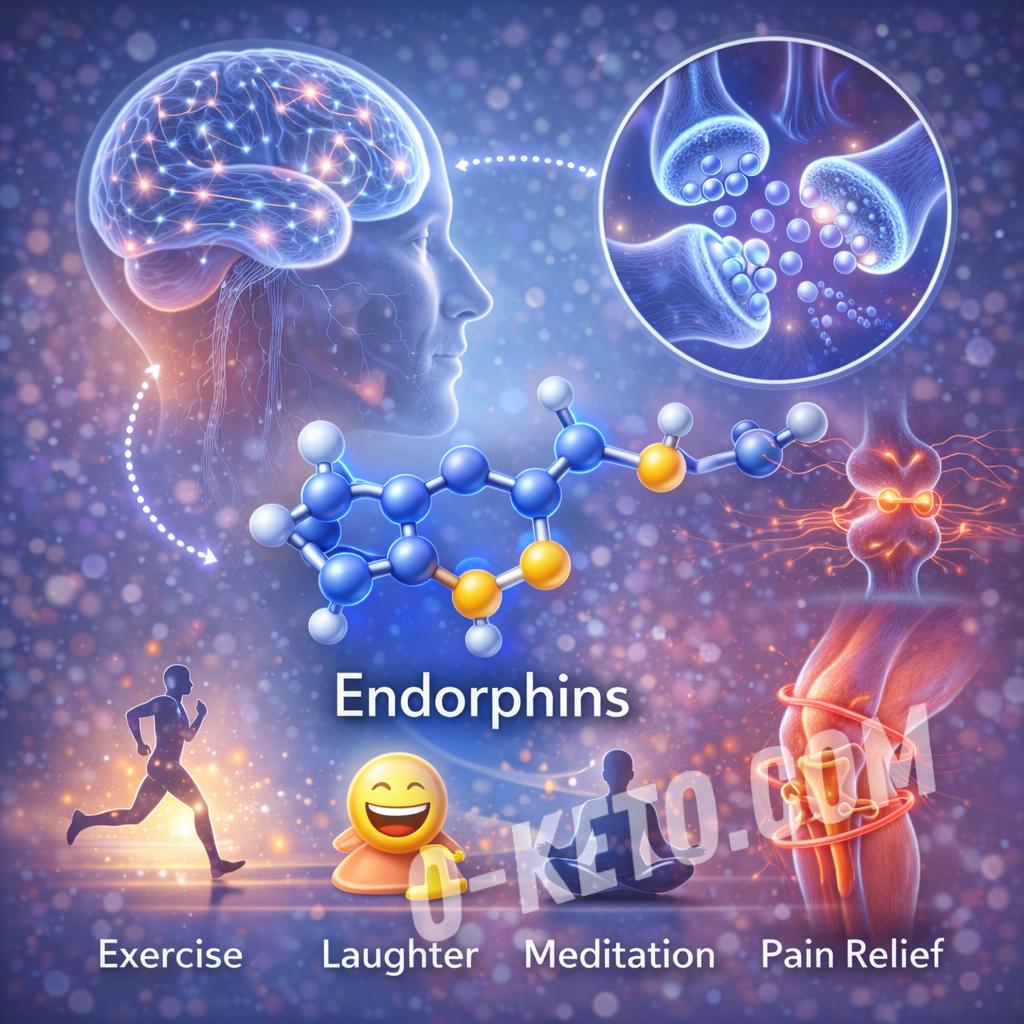
Endorphins — are a group of endogenous opioid neuropeptides that are synthesized in the central nervous system and play a key role in regulating pain, stress, and emotional state. Their main function — is to adapt the body to physical and psycho-emotional loads. Unlike the everyday term «happiness hormones», endorphins are primarily a system of internal pain relief and stabilization.
What are endorphins and why are they needed
Endorphins are predominantly produced in the pituitary gland and hypothalamus and act through opioid receptors. In terms of their mechanism of action, they are similar to morphine but are completely physiological for the body.
The main tasks of endorphins:
- reduction of pain sensitivity;
- limitation of stress response;
- support of emotional stability;
- protection of the nervous system from overload.
Endorphins do not create a constant feeling of joy, but help to endure stress without destructive consequences for the body.
Mechanisms of endorphin production
The synthesis of endorphins is activated in response to situations that the body perceives as potentially damaging or stressful. Such factors include:
- physical pain and trauma;
- intensive muscle work;
- acute stress;
- sudden temperature changes;
- emotional excitement.
The production of endorphins is part of a protective mechanism that allows for the temporary suppression of pain and stress signals.
Physiological effects of endorphins
The action of endorphins affects several systems of the body:
- reduction of subjective pain perception;
- decrease in anxiety and internal tension;
- improvement of emotional background after exertion;
- normalization of stress response;
- indirect influence on sleep and recovery.
It is precisely because of endorphins that states of temporary euphoria are possible after physical exertion or extreme situations.
Endorphins and physical activity
Physical activity — is one of the most powerful stimuli for the endorphin system. During intense movement, the body encounters micro-injuries to the muscles, oxygen deficiency, and increased load on the nervous system, which activates the endorphin response.
The most pronounced stimulation is observed during:
- aerobic exercises of moderate and high intensity;
- strength training with progressive load;
- prolonged cyclic activity.
The effect of endorphins manifests not during the exertion itself, but more often after it, in the recovery phase.
Endorphins and psycho-emotional state
Endorphins are closely related to stress resilience. With chronic deficiency of endorphin activity, a person tolerates pain worse, becomes exhausted more quickly, and reacts more severely to emotional loads.
Support for physiological endorphin response is possible through:
- regular physical activity;
- quality sleep;
- moderate stress training;
- social interaction;
- alternating load and recovery.
Conclusion
Endorphins — are not a source of constant happiness, but a protective system of the body that allows for coping with pain, stress, and overloads. Their task — is to ensure survival and recovery, not to maintain an artificial sense of euphoria.
Regular physical activity, adequate stress, and proper recovery are key conditions for the healthy functioning of the endorphin system.
If you have any questions о термине "Endorphins", you can ask them to our bot.
List of videos from YouTube by request "Endorphins":


