


Histamine
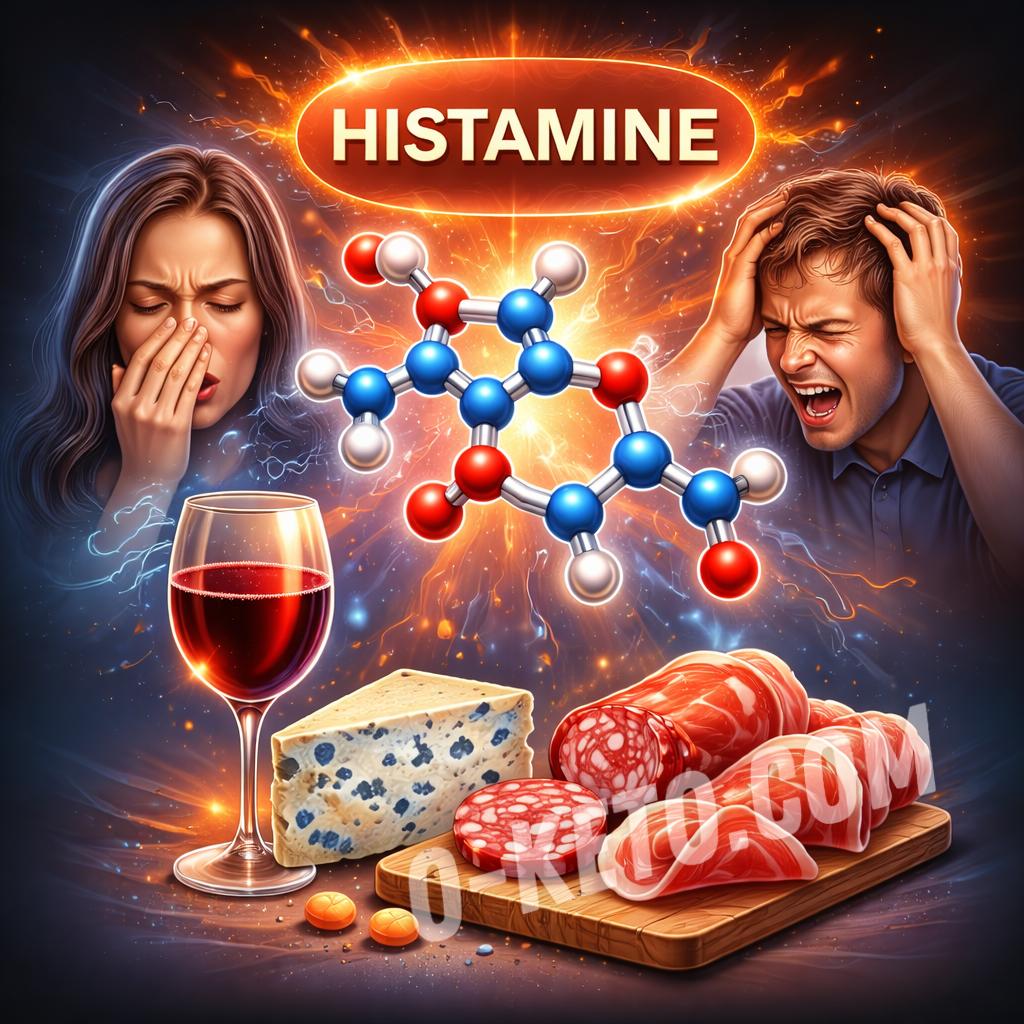
Histamine — is a biogenic amine involved in the regulation of immune, nervous, and digestive processes. It is synthesized in the body from the amino acid histidine and is predominantly stored in mast cells and basophils, as well as present in neurons and stomach cells.
Under normal circumstances, histamine is necessary for protecting the body and maintaining physiological balance; however, when its metabolism is disrupted, it can lead to pronounced functional symptoms.
Histamine acts through several types of receptors located in different tissues, which is why its influence is systemic and affects the skin, blood vessels, intestines, respiratory tract, and central nervous system.
Functions of Histamine
Histamine performs a number of key functions that are essential for the normal functioning of the body:
- participation in immune reactions and inflammation by dilating blood vessels and increasing capillary permeability;
- rapid mobilization of immune cells at the site of damage or infection;
- formation of immediate-type allergic reactions;
- stimulation of hydrochloric acid secretion in the stomach;
- regulation of gastrointestinal motility;
- neurotransmitter function affecting wakefulness, attention, and sleep.
In the central nervous system, histamine is associated with wakefulness and concentration, and its excess can increase anxiety and sensory overload.
Histamine and Metabolism
Under normal conditions, the level of histamine is strictly controlled by enzymatic systems. The main role in its breakdown is played by the enzyme diamine oxidase, as well as histamine-N-methyltransferase. When the activity of these enzymes decreases, histamine accumulates, even if its intake from food is low.
Disruption of histamine metabolism may be associated with:
- deficiency of vitamin B6, copper, and magnesium;
- damage to the intestinal mucosa;
- chronic inflammation;
- intestinal dysbiosis;
- hormonal fluctuations.
Histamine and Food
Some histamine enters the body through food, especially during fermentation, storage, or prolonged heat treatment. Additionally, some foods stimulate the release of endogenous histamine.
Foods high in histamine or histamine liberators include:
- fermented products, including aged cheeses and pickled vegetables;
- smoked and dried meat products;
- alcoholic beverages, especially wine and beer;
- fish and seafood during prolonged storage;
- canned goods and semi-finished products.
For sensitive individuals, even a small amount of such foods can trigger a systemic reaction.
Symptoms of Histamine Intolerance. When histamine breakdown is impaired, various symptoms affecting different systems of the body may arise:
- headaches and migraine-like conditions;
- skin itching, redness, and rashes;
- nasal congestion and a feeling of shortness of breath;
- abdominal bloating, diarrhea, or intestinal cramps;
- rapid heartbeat and fluctuations in blood pressure;
- anxiety and sleep disturbances.
A characteristic feature is the variability of symptoms and their intensification after eating or stress.
How to Reduce Histamine Load
Reducing symptoms is not so much about completely excluding histamine, but rather about decreasing the overall load on its metabolic system:
- use the freshest products and avoid prolonged storage;
- exclude fermented and smoked products;
- limit alcohol and foods with high histamine potential;
- maintain gut health;
- correct vitamin and mineral deficiencies;
- monitor individual food reactions.
In some cases, improvement is achieved by restoring enzyme activity and reducing chronic inflammation.
Conclusion
Histamine is a necessary and physiologically important substance without which the normal functioning of the immune, nervous, and digestive systems is impossible. Problems arise not from histamine itself, but from the disruption of its metabolism and excessive load on detoxification mechanisms. A conscious approach to nutrition, gut health, and nutritional status can significantly reduce the severity of symptoms and improve overall well-being.
If you have any questions о термине "Histamine", you can ask them to our bot.
List of videos from YouTube by request "Histamine":


