


Coprogram
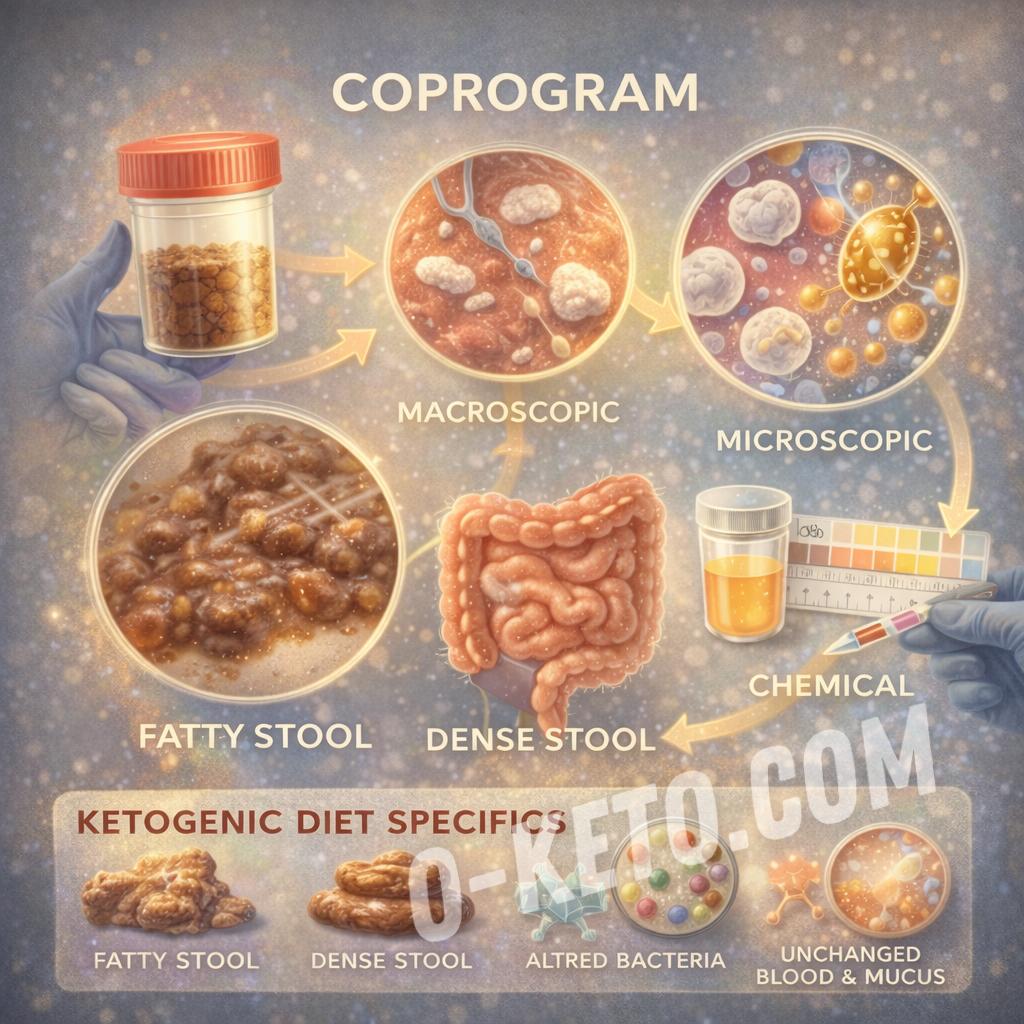
The coprogram is a laboratory study of stool that allows for the assessment of food digestion, the condition of the intestinal mucosa, signs of inflammation, and absorption disorders. The analysis includes visual assessment, microscopy, and chemical tests. It is prescribed for chronic stool disorders, abdominal pain, weight loss, suspicion of inflammatory processes, or parasitic infections.
Results are always evaluated in the context of symptoms and other examinations. In people on a ketogenic diet, the interpretation of some indicators may differ due to dietary peculiarities.
What the coprogram studies
The study is conditionally divided into three blocks:
- macroscopic assessment — color, consistency, smell, presence of mucus, visible impurities, undigested particles;
- microscopic examination — leukocytes, erythrocytes, epithelium, fatty acids and neutral fat, muscle fibers, elements of parasites;
- chemical tests — hidden blood, medium reaction (pH), signs of steatorrhea, reducing substances, and other indicators depending on the laboratory.
The analysis helps identify enzymatic insufficiency, inflammatory changes, bile secretion disorders, and signs of malabsorption.
How to properly submit the analysis
The main rules are as follows:
- collect the sample in a clean, dry container without urine and water contamination;
- for 3–5 days before the analysis, adhere to the usual diet without sharp changes;
- clarify with the doctor the need for temporary cancellation of medications that affect the result;
- deliver the material to the laboratory within the recommended time frame.
Sharp dietary experiments before submitting the analysis can distort the indicators.
Features of interpretation on a ketogenic diet
A high fat content and carbohydrate restriction may affect stool composition:
- moderate increase in fat fractions is possible during the adaptation period to keto;
- with a deficiency of bile or enzymes, pronounced steatorrhea may occur;
- with a lack of fat and water, there may be a tendency for stool hardening;
- changes in microbiota may influence smell and pH.
It is important to distinguish adaptive changes from pathological signs.
Fatty, shiny stool, persistent diarrhea, blood, or pronounced mucus require additional diagnostics regardless of the type of diet.
Practical recommendations
- maintain adequate hydration;
- if necessary, include a moderate amount of allowed fiber;
- ensure sufficient intake of bile-stimulating fats without extreme excess;
- if symptoms persist, discuss additional studies with a doctor;
- evaluate the results of the analysis in conjunction with the clinical picture.
The coprogram is a tool for the primary assessment of digestion, not a standalone diagnosis. In the context of a ketogenic diet, it helps distinguish physiological adaptation from absorption disorders or inflammatory processes.
If you have any questions о термине "Coprogram", you can ask them to our bot.
List of videos from YouTube by request "Coprogram":


