


Ornithine
An amino acid involved in the urea cycle, the liver system that detoxifies ammonia. Ornithine is connected with arginine, citrulline, protein metabolism and nitrogen handling, but supplementation makes sense only in specific contexts.
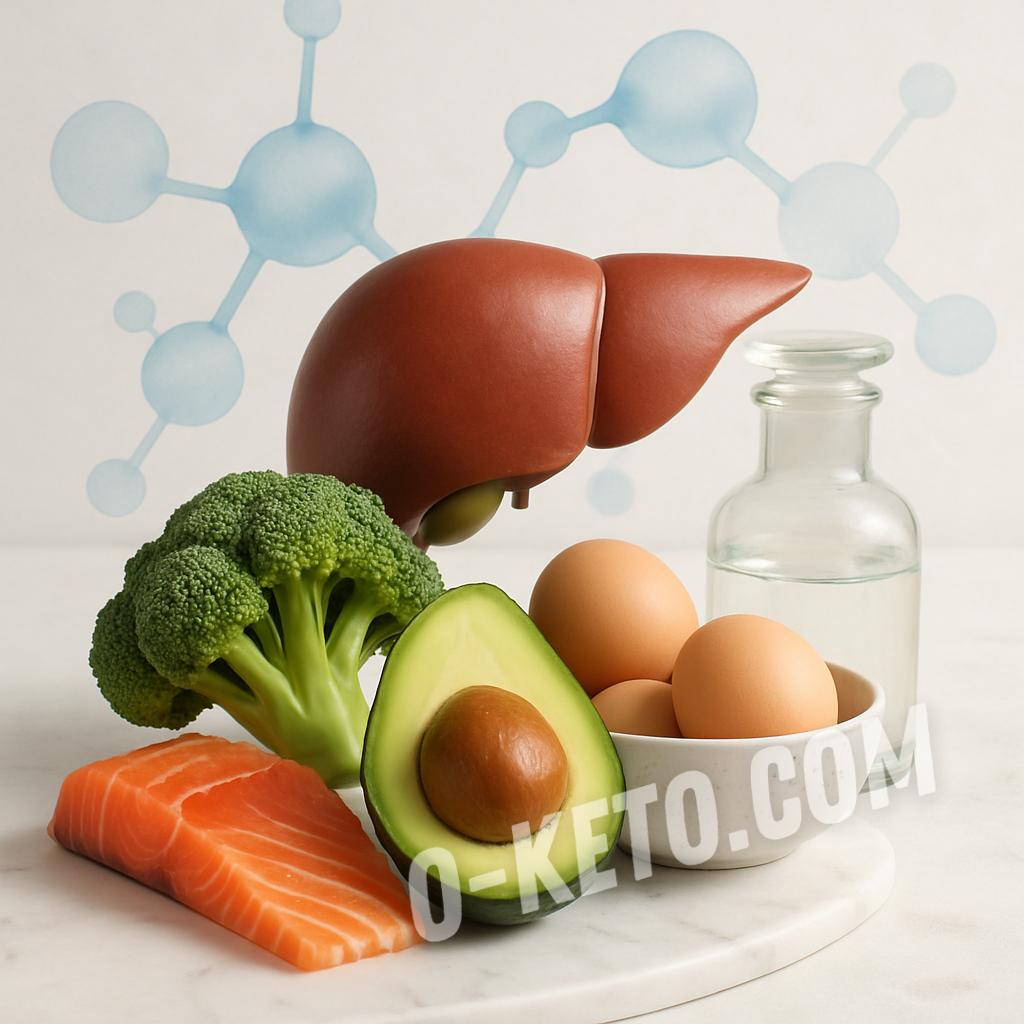
Ornithine is an amino acid that is not directly incorporated into food proteins as a standard building amino acid, but it plays an important role in nitrogen metabolism. Its main area of work is the urea cycle, the liver system that converts toxic ammonia into urea for excretion by the kidneys. Ornithine is therefore linked not to vague detox language, but to specific biochemistry of nitrogen disposal.
Ornithine is closely connected with arginine and citrulline. In the urea cycle, these molecules convert into one another, helping move nitrogen and keep ammonia at a safe level. If liver function is poor or inherited enzyme disorders of the urea cycle are present, ammonia can become dangerous for the brain and nervous system.
Urea cycle and ammonia
Ammonia is produced during amino-acid breakdown, gut bacterial activity and protein metabolism. Normally, the liver quickly converts it into urea. Ornithine participates in the cycle where nitrogen is incorporated into intermediates and eventually excreted. This system is especially important during high protein turnover, infections, gastrointestinal bleeding, severe liver disease and some inherited conditions.
High ammonia can cause confusion, sleepiness, behavior change, tremor, poor coordination and, in severe cases, coma. This is a medical situation, not a reason to self-prescribe amino acids. Suspected hyperammonemia requires testing and assessment of the liver, medications, diet and possible triggers.
Protein, keto and nutrition
On low-carbohydrate nutrition, protein remains important, but it should not be pushed to extremes without reason. In a healthy person, a normal protein intake does not overload the urea cycle. But with cirrhosis, marked liver failure, rare urea-cycle disorders or severe kidney disease, protein load should be adjusted medically.
Keto is sometimes made too high in fat and too low in protein because of fear of gluconeogenesis. That is a poor strategy for muscle, immunity and recovery. Ornithine is a reminder that protein metabolism requires a functioning liver, B vitamins, adequate energy and disposal of nitrogen products. Balance matters more than extremes.
Ornithine in sports supplements
Ornithine is sold as a supplement for recovery, fatigue reduction, sleep support or liver support. It is sometimes combined with arginine, citrulline or aspartate. Evidence for everyday use is limited, and any effect depends on dose, baseline state, training load, sleep, food intake and liver function.
If an athlete recovers poorly, obvious factors should be checked first: total protein, calories, iron, B12, vitamin D, sleep, training volume, carbohydrates appropriate to workload and stress. Ornithine does not replace a recovery plan and does not fix overtraining. It may be a detail, but it is rarely the main lever.
Liver, gut and medication context
Part of ammonia production happens in the gut, so constipation, bleeding, excess protein in the wrong context, dysbiosis and infections can influence nitrogen load. In hepatic encephalopathy, clinicians use specific tools and protocols, including treatments that affect ammonia production and absorption in the intestine. Self-directed ornithine does not replace such therapy.
Caution is needed with severe liver or kidney disease, pregnancy, inherited amino-acid metabolism disorders, cancer treatment and complex medication regimens. An amino acid may sound harmless, but when metabolism is impaired, even ordinary compounds can behave unpredictably.
Practical conclusion
Ornithine is important as part of the urea cycle and nitrogen metabolism, but most people do not need to take it specifically for liver health. Adequate but not extreme protein, avoiding alcohol excess, normal bowel function, treatment of liver disease and careful medication use matter more.
Marked sleepiness, confusion, tremor, worsening condition with liver disease, vomiting, sudden weakness or neurological symptoms after a diet change are not problems for a sports supplement. Medical evaluation is needed because ammonia and nitrogen-metabolism disturbances can be dangerous.
If you have any questions about the term "Ornithine", you can ask them to AI. Please note, a low-cost OpenAI model is used. It may answer questions about disease treatment with errors!


