


Choline
A nutrient required for liver fat export, bile, cell membranes, acetylcholine, and methylation; intake matters especially in pregnancy, fatty liver, and diets without eggs, liver, and fish.
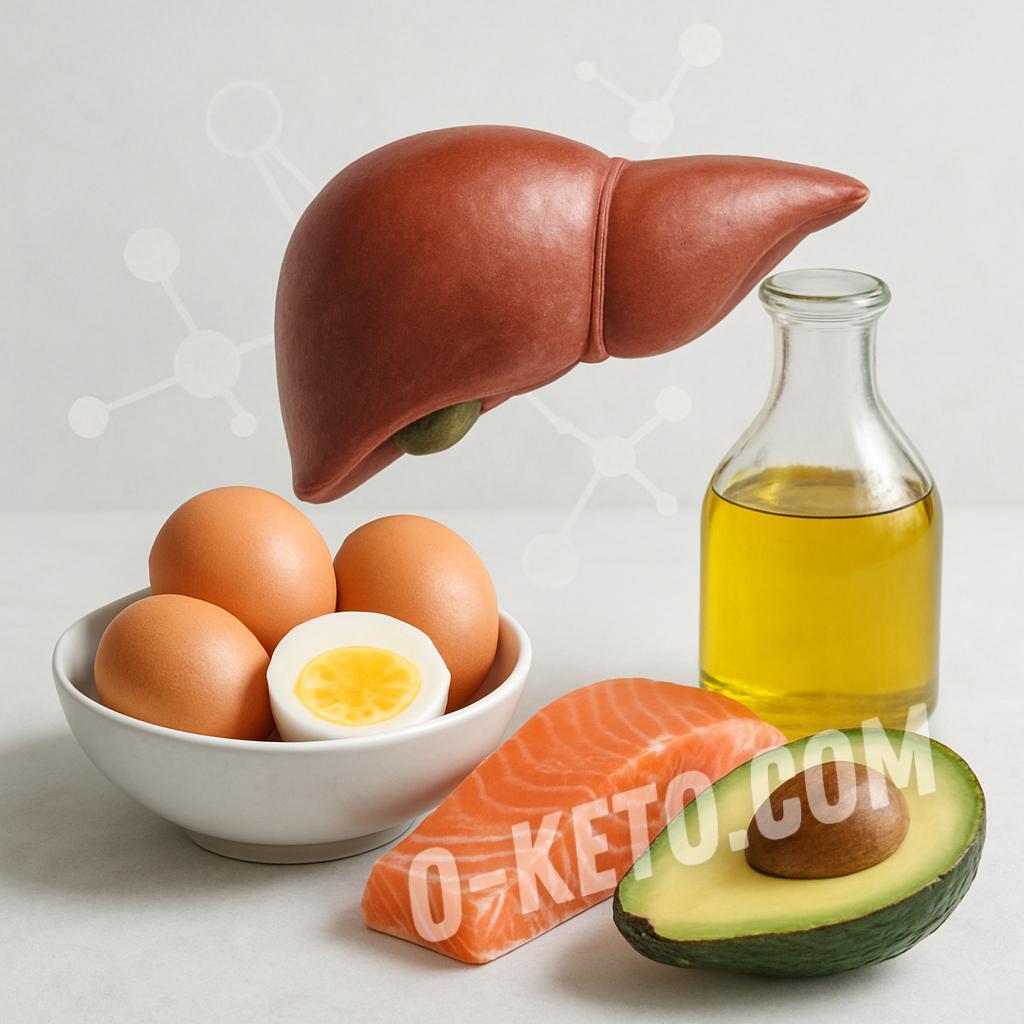
Choline is a vitamin-like nutrient needed for the liver, nervous system, cell membranes, and fat metabolism. The body can synthesize a small amount, but this is often not enough, so regular dietary intake matters. It should not be reduced to a “memory supplement”: choline participates in several basic processes, from liver fat export to acetylcholine production.
One of its main roles is connected with phosphatidylcholine, a phospholipid found in cell membranes and bile. The liver needs phosphatidylcholine to package and export triglycerides in very-low-density lipoproteins. When choline is low, fat may accumulate in the liver, especially with excess calories, alcohol, fructose, insulin resistance, and low protein intake. This is why choline is often discussed in non-alcoholic fatty liver disease.
Choline is also needed to make acetylcholine. This neurotransmitter is involved in memory, attention, muscle contraction, vagus nerve signaling, and parasympathetic nervous system function. That does not mean choline automatically improves focus in everyone. If the problem is poor sleep, stress, low B12, iron deficiency, low Omega-3 intake, hypothyroidism, or medication effects, choline is only one part of a larger picture.
Another important area is methylation. Choline can be converted into betaine and help recycle homocysteine into methionine. Its metabolism intersects with folate, vitamin B12, B6, methionine, and liver function. When homocysteine is high, it is not enough to add choline automatically. B12, folate status, kidney function, thyroid status, medication use, alcohol, and overall diet also need to be considered.
The richest food sources are egg yolks, liver, meat, fish, seafood, and poultry. Smaller amounts occur in soy, legumes, cruciferous vegetables, nuts, and seeds. A low-carbohydrate diet can provide choline easily when it includes eggs, liver, fish, and meat. Problems are more likely when a person avoids eggs, never eats organ meats, greatly restricts animal foods, or builds the diet mostly on oils, cream, and cheese without a solid protein base.
Common intake references are around 425 mg per day for adult women and 550 mg for adult men, with higher needs during pregnancy and lactation. These are not perfect personal targets, but they are useful starting points. One egg provides a meaningful amount of choline, liver provides much more, and a diet without these foods has to be built more carefully. A menu that looks healthy because it contains salads and oils may still be low in choline if it lacks yolks, fish, meat, and liver.
Choline deficiency does not always produce one recognizable symptom. Possible signs include liver fat accumulation, elevated liver enzymes, weakness, poorer tolerance of fatty meals, and unfavorable changes in lipid metabolism. These signs are not specific: alcohol, viral hepatitis, medications, obesity, diabetes, and rapid weight loss can also cause them. Choline status is therefore judged through diet, liver tests, and the broader metabolic picture rather than by one sensation.
Choline is particularly important during pregnancy and lactation. It contributes to fetal brain development, placental function, and liver metabolism. Many prenatal vitamins contain little choline or none at all because a meaningful dose takes up a lot of tablet space. A woman who does not eat eggs or liver should discuss choline sources with a clinician, especially with nausea, restricted eating, or risk of nutrient deficiencies.
Supplement forms differ. Choline bitartrate and citrate are simple forms, phosphatidylcholine and lecithin are closer to membrane phospholipids, and alpha-GPC and citicoline are more often used for nervous-system goals. They differ in tolerance, price, effect on acetylcholine, and digestion. If the goal is liver and bile support, one logic may apply; if the goal is cognitive support, the preferred form may be different.
Excessive doses can cause nausea, diarrhea, sweating, low blood pressure, and a fishy body odor. Gut microbes can convert part of choline into trimethylamine, which the liver turns into TMAO. The meaning of TMAO for vascular risk depends on kidney function, microbiome composition, diet, and the whole metabolic picture. Eggs should not be feared because of this marker alone, but megadoses of supplements without a clear purpose are not sensible either.
In practice, choline is best evaluated through diet and clinical context. It becomes more relevant with fatty liver disease, pregnancy, elevated homocysteine, avoidance of eggs and liver, long-term parenteral nutrition, or fatigue on a nutrient-poor diet. It does not replace protein, Omega-3 fats, folate, B12, sleep, movement, or treatment of insulin resistance. In a well-built menu, choline is not a fashionable stimulant but a working component of liver, brain, and membrane health.
If you have any questions about the term "Choline", you can ask them to AI. Please note, a low-cost OpenAI model is used. It may answer questions about disease treatment with errors!


