


Lecithin
This mixture of phospholipids, especially phosphatidylcholine, participates in cell membranes, choline metabolism, fat transport and bile function. In food it comes from eggs, liver, soy and sunflower; as a supplement it can act as an emulsifier or phospholipid source, but it does not replace treatment for liver or gallbladder disease.
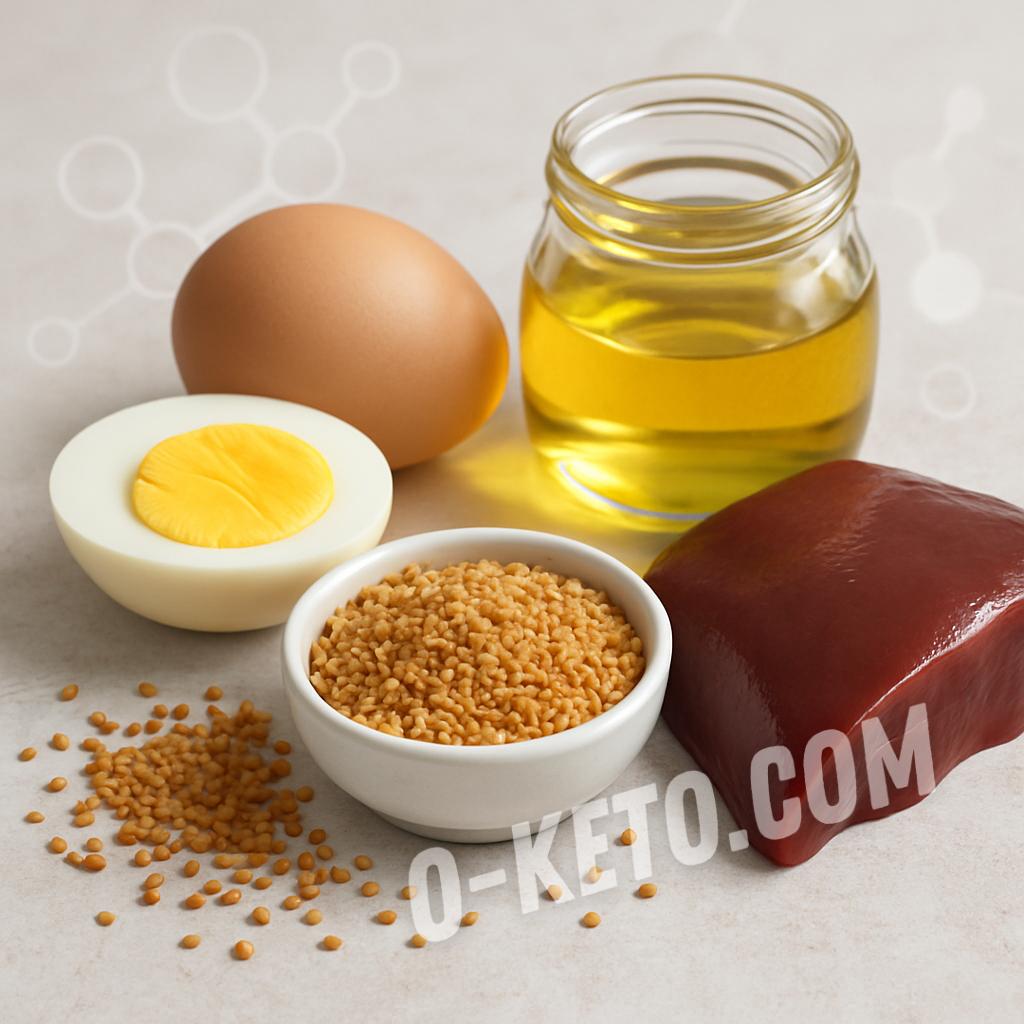
Lecithin is not a single substance, but a mixture of phospholipids, especially phosphatidylcholine. Phospholipids are part of cell membranes and participate in fat transport, lipoprotein formation, bile function and choline metabolism. This is why lecithin is often discussed in relation to the liver, gallbladder, brain and food emulsifiers, but it should not be treated as a universal remedy for all these systems.
In food, lecithin occurs in eggs, liver, soy, sunflower, fish, meat and some seeds. In food technology it is used as an emulsifier: it helps mix fat and water and improves the texture of chocolate, sauces, creams and baked goods. Supplements most often contain soy or sunflower lecithin, and the phospholipid profile can differ depending on the source and processing.
Why phospholipids matter
Phospholipids form cell membranes and influence their fluidity, signaling processes and transport. Phosphatidylcholine is also connected with choline metabolism, which is needed for acetylcholine, methylation, liver function and normal fat transport. When choline is insufficient, the liver has a harder time packaging and exporting fat in lipoproteins.
This does not mean lecithin automatically treats fatty liver disease. Liver status depends on insulin resistance, excess energy intake, alcohol, fructose, protein, deficiencies, medications and inflammation. Lecithin can be part of nutrient support, but it does not replace reducing metabolic load or diagnosing the cause of the problem.
Bile and fat digestion
Phospholipids are part of bile and help keep cholesterol and bile acids in a soluble state. For this reason, lecithin is sometimes discussed in relation to thick bile or gallbladder problems. But if gallstones, pain after fatty meals, biliary colic, inflammation or duct obstruction are present, a supplement is not a safe stand-alone strategy.
During the transition to keto and LCHF, dietary fat often increases and the biliary system receives a greater load. If a person tolerates fat poorly, starting with very large amounts of oil is rarely wise. It is more practical to distribute fat across meals, watch protein, bitters and vegetables as tolerated, and seek medical evaluation if pain or persistent diarrhea appears.
Keto, LCHF and sources
On low-carbohydrate eating, the best lecithin sources usually fit well. Eggs provide phosphatidylcholine, choline, protein and fat-soluble nutrients. Liver contains abundant choline, B12, iron and other micronutrients. Fish and meat add phospholipids and complete protein.
Soy lecithin as a food additive is usually used in small amounts and is not by itself a meaningful carbohydrate load. But foods containing lecithin may be far from low carb if they are sugar-sweetened chocolate, cookies, bars or sweet creams. The whole ingredient list matters more than the presence of an emulsifier.
Supplements and limitations
Lecithin capsules, granules or powder can be a convenient phospholipid source, but dose and composition vary widely. Sometimes a person buys lecithin for choline while the actual amount of phosphatidylcholine and choline per serving is modest. If the goal is to correct low choline intake, the label matters more than the word lecithin.
Caution is needed with soy allergy, significant gallbladder disease, intolerance, diarrhea or nausea. Sunflower lecithin may be an alternative for people avoiding soy, but that does not make it automatically therapeutic. As with other supplements, the reason for use, dose, tolerance and the whole diet matter.
Practical interpretation
Lecithin is best understood as a mixture of dietary phospholipids, not as a liver cleanser. It is connected with membranes, bile, choline and fat transport, so it can be useful in nutrition, especially through eggs, liver, fish and other nutrient-dense foods. Its role, however, is always secondary to the broader metabolic context.
For keto and LCHF, the practical approach is simple: obtain phospholipids from real food, do not fear eggs without a medical reason, respect fat tolerance and do not expect lecithin to solve problems driven by sugar excess, alcohol, overeating, insulin resistance or gallbladder disease. A supplement may be a tool, but not a replacement for good nutrition and proper diagnosis.
If you have any questions about the term "Lecithin", you can ask them to AI. Please note, a low-cost OpenAI model is used. It may answer questions about disease treatment with errors!


