


Elevated urea
Increased blood urea is not automatically equal to kidney disease: it can rise due to dehydration, excess protein, catabolism, gastrointestinal bleeding, the use of certain medications, and decreased renal filtration. This result is important to interpret alongside creatinine, GFR, clinical situation, and overall protein context, rather than as a standalone diagnosis.



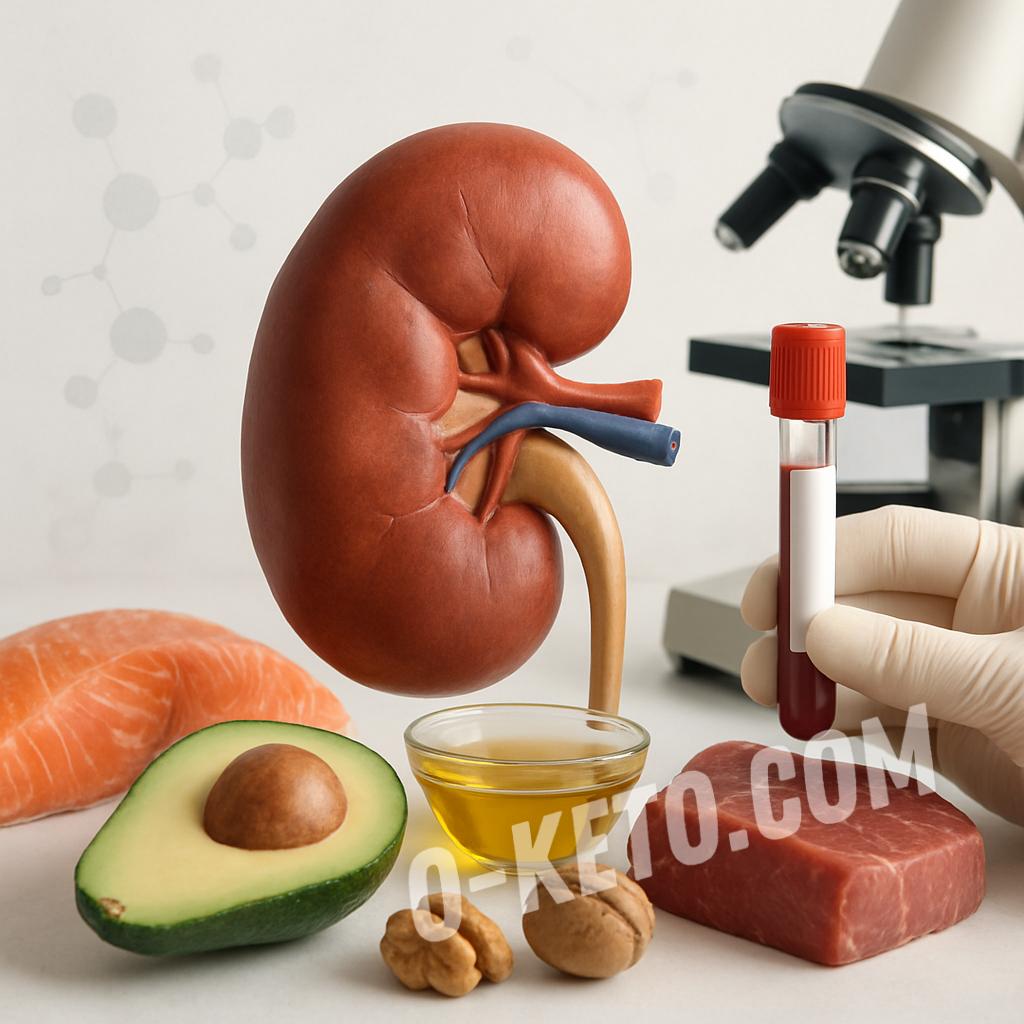
Elevated blood urea means that more end products of protein metabolism accumulate in the analysis than the body excretes in a normal mode. Urea is formed in the liver from ammonia and is then primarily excreted by the kidneys. Therefore, its increase can reflect very different scenarios: simple dehydration, high protein load, pronounced catabolism, intake of certain medications, gastrointestinal bleeding, or already impaired kidney function. That is why urea is a useful indicator, but not an autonomous one.
A common mistake is to assume that any increase in urea automatically means “the kidneys are not coping.” This is not the case. Sometimes the problem is indeed renal, but sometimes we are merely seeing the consequence of fluid loss, high protein load, or metabolic stress. Therefore, the indicator should be interpreted together with creatinine, estimated GFR, clinical situation, diet, and signs of dehydration. A diagnosis cannot be made based on one urea value.
What Urea Indicates
Urea is one of the end products of nitrogen metabolism. When the body breaks down proteins and amino acids, ammonia, a toxic compound, is formed, which is converted into urea in the liver. After that, it enters the bloodstream and is excreted by the kidneys. Therefore, the analysis indirectly reflects the intensity of protein metabolism, liver function in detoxifying ammonia, and the kidneys’ ability to remove urea from the body.
In clinical practice, this indicator is useful as part of the overall picture. It helps to understand whether there is pronounced dehydration, increased protein breakdown, problems with kidney filtration, or other metabolic shifts. However, in isolation, it is less specific than many might think. In a person on a protein diet after a load or against the background of poor hydration, urea can be elevated without severe renal pathology.
Why Urea Increases
One of the most common reasons is dehydration. When there is little fluid, the blood becomes more concentrated, renal blood flow changes, and urea is excreted less efficiently. This can occur after heat exposure, vomiting, diarrhea, diuretics, insufficient fluid intake, or during active weight loss. The second common reason is increased protein load, especially if the diet has suddenly become more protein-rich or if the person has pronounced catabolism after illness, injury, or surgery.
Other causes include gastrointestinal bleeding, where additional protein material is digested and increases the nitrogen load, the intake of glucocorticoids, certain catabolic states, fever, and actual renal failure. The more causes that combine simultaneously, the less informative it is to look at urea in isolation. That is why the analysis is almost always evaluated in conjunction with creatinine and clinical findings.
When the Increase is Related to the Kidneys
A renal cause is suspected when urea rises along with creatinine, estimated GFR decreases, urine analysis changes, edema appears, persistent hypertension occurs, or other signs of impaired excretory function are present. But there is a nuance here: urea is more sensitive to external factors than creatinine. Therefore, not every shift in urea equates to a significant decline in kidney function.
If renal filtration is indeed reduced, urea helps to strengthen suspicion, but the conclusion needs to be confirmed by a whole set of indicators. This is especially important in elderly patients, those with diabetes, hypertension, chronic kidney disease, and those receiving potentially nephrotoxic treatment regimens.
How Protein Diet Affects the Analysis
A protein diet can indeed raise urea levels, especially if a person consumes a lot of meat, protein supplements, or has sharply increased their protein intake. However, this does not mean that any increase in urea against a high-protein background is automatically harmful. For some individuals, this is an expected laboratory response without kidney catastrophe, provided that creatinine, GFR, and urine are in order, and hydration is adequate.
On a low-carbohydrate and keto diet, this question is particularly important because people often confuse ketogenic diets with very high-protein ones. If a person simultaneously drinks little, eats a lot of protein, and loses water at the beginning of the diet, urea may rise more noticeably. In such a situation, it is worth first assessing the hydration status, actual protein intake, and other kidney indicators, rather than panicking over a single number.
What Else Distorts the Result
Intensive training, fever, acute infections, steroid use, upper gastrointestinal bleeding, prolonged fasting, and post-surgical states can all affect the analysis. Even brief catabolic stress can raise urea more than a person expects. That is why sometimes a doctor asks for a retest after restoring hydration and resolving the acute situation.
It is also important to remember that normal or slightly elevated urea does not exclude a kidney problem by itself, and high urea does not always prove one. The meaning of the analysis lies not in a single number but in how it correlates with other markers and symptoms.
How to Read Together with Creatinine and GFR
If urea is elevated while creatinine and estimated GFR are normal, the doctor is more likely to think of dehydration, diet, catabolism, or temporary load. If both urea and creatinine rise while GFR falls, attention shifts toward a renal cause. Potassium, sodium, urine analysis, albuminuria, blood pressure, and overall history are also important.
Practically, this means a simple rule: urea is not a final answer but a question. It suggests which direction to dig further. And the more complex the clinical situation, the less useful it is to draw conclusions without an overall nephrological and metabolic picture.
When In-Person Evaluation is Needed
It is especially important to see a doctor if the increase is persistent, associated with rising creatinine, decreasing GFR, edema, weakness, shortness of breath, nausea, unstable blood pressure, or known chronic kidney disease. It is also advisable not to delay when combined with vomiting, diarrhea, signs of dehydration, bleeding, rapid weight loss, or pronounced catabolic states.
If urea has risen accidentally against a protein diet or weight loss, this is not a reason to automatically cancel the diet or diagnose oneself with a nephrological condition. However, it is a good reason to look more broadly: how much protein is the person actually consuming, are they drinking enough, what are the creatinine, GFR, and urine levels, and are there any medication or metabolic reasons for such a result.
If you have any questions about the term "Elevated urea", you can ask them to AI. Please note, a low-cost OpenAI model is used. It may answer questions about disease treatment with errors!


 1 / 4
1 / 4

 1 / 4
1 / 4
 1 / 4
1 / 4 1 / 4
1 / 4 1 / 4
1 / 4