


Prolactin
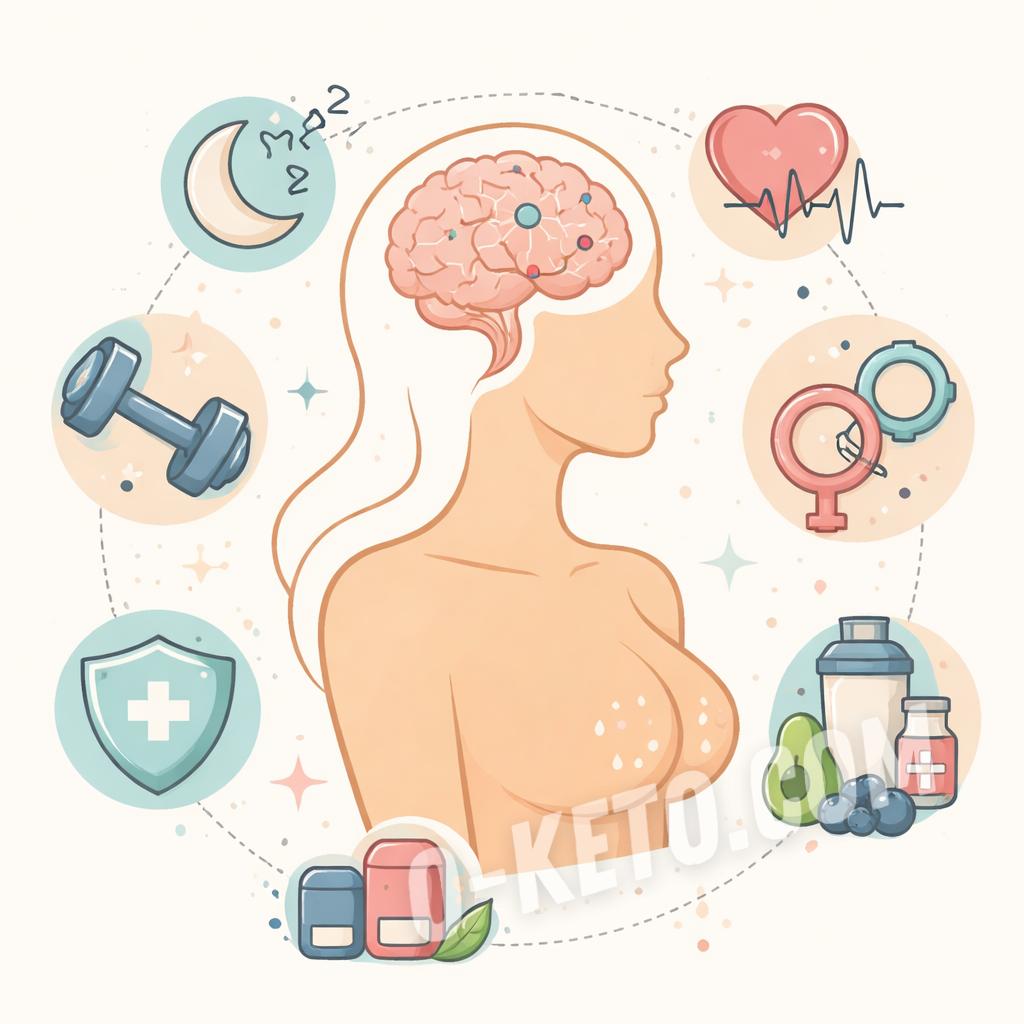
Prolactin — is a peptide hormone produced by the anterior pituitary gland, traditionally associated with lactation; however, its functions are much broader. It plays a role in regulating the reproductive system, metabolism, immune responses, and the body’s adaptive mechanisms.
Understanding the role of prolactin is important not only for women during pregnancy and breastfeeding but also for men and for those interested in hormonal health and metabolic balance.
Synthesis and Physiological Regulation
Prolactin is synthesized by lactotrophs in the anterior pituitary. Unlike most other pituitary hormones, its secretion is under constant inhibitory control from the hypothalamus. Dopamine plays a key role in this process by reducing the release of prolactin into the bloodstream.
The secretion of the hormone is pulsatile and subject to daily fluctuations: peak levels are usually observed at night and in the early morning hours. Prolactin levels are influenced by sleep, emotional state, physical activity, pain stimuli, as well as hormonal signals from the thyroid gland and sex hormones.
Main Functions of Prolactin
- stimulates the development of mammary glands and the synthesis of breast milk after childbirth;
- participates in the regulation of the reproductive axis, affecting ovulation, menstrual cycle, and spermatogenesis;
- modulates the immune system, influencing lymphocyte activity;
- involved in the regulation of behavior, stress responses, and adaptation mechanisms;
- affects energy metabolism, insulin sensitivity, and fat tissue distribution.
Factors Affecting Prolactin Levels
Prolactin levels are sensitive to a wide range of external and internal factors:
- quality and duration of sleep;
- acute and chronic stress;
- intense physical activity;
- caloric and protein deficiency in the diet;
- changes in estrogen levels;
- medications affecting the dopaminergic system.
Physiological increases in prolactin are possible and do not always indicate pathology.
Prolactin and Metabolism
Prolactin is closely linked to the energy status of the body. In cases of significant energy deficiency, chronic stress, or prolonged restrictive diets, compensatory increases in prolactin may occur. This reflects the body’s attempt to slow down reproductive and anabolic processes in an unfavorable environment.
With a balanced diet and adequate caloric intake, including low-carbohydrate and ketogenic approaches, significant disruptions in prolactin secretion are usually not observed. The key factor remains not the composition of the diet itself, but the overall energy and nutrient balance.
Signs of Deviations in Prolactin Levels
- discharge from the mammary glands outside of lactation;
- disruptions in the menstrual cycle or ovulation;
- decreased libido and reproductive function;
- chronic fatigue and fluctuations in body weight;
- emotional lability and anxiety.
Practical Conclusions
Prolactin — is not just a «milk hormone», but an important regulator of adaptation, reproduction, and metabolism. Its level reflects the overall state of the body, including sleep, nutrition, stress load, and hormonal background. Maintaining adequate caloric intake, sufficient protein consumption, regular sleep, and recovery is fundamental for the stable functioning of the endocrine system.
If persistent symptoms related to reproductive function or discharge from the mammary glands appear, consultation with a doctor and laboratory assessment of hormonal profile is necessary. Self-suppression of prolactin without understanding the reasons for its increase can lead to the exacerbation of underlying disorders.
If you have any questions о термине "Prolactin", you can ask them to our bot.
List of videos from YouTube by request "Prolactin":


