


Blood ketone test
Blood ketone testing measures beta-hydroxybutyrate; it is the most accurate common home method for assessing nutritional ketosis.


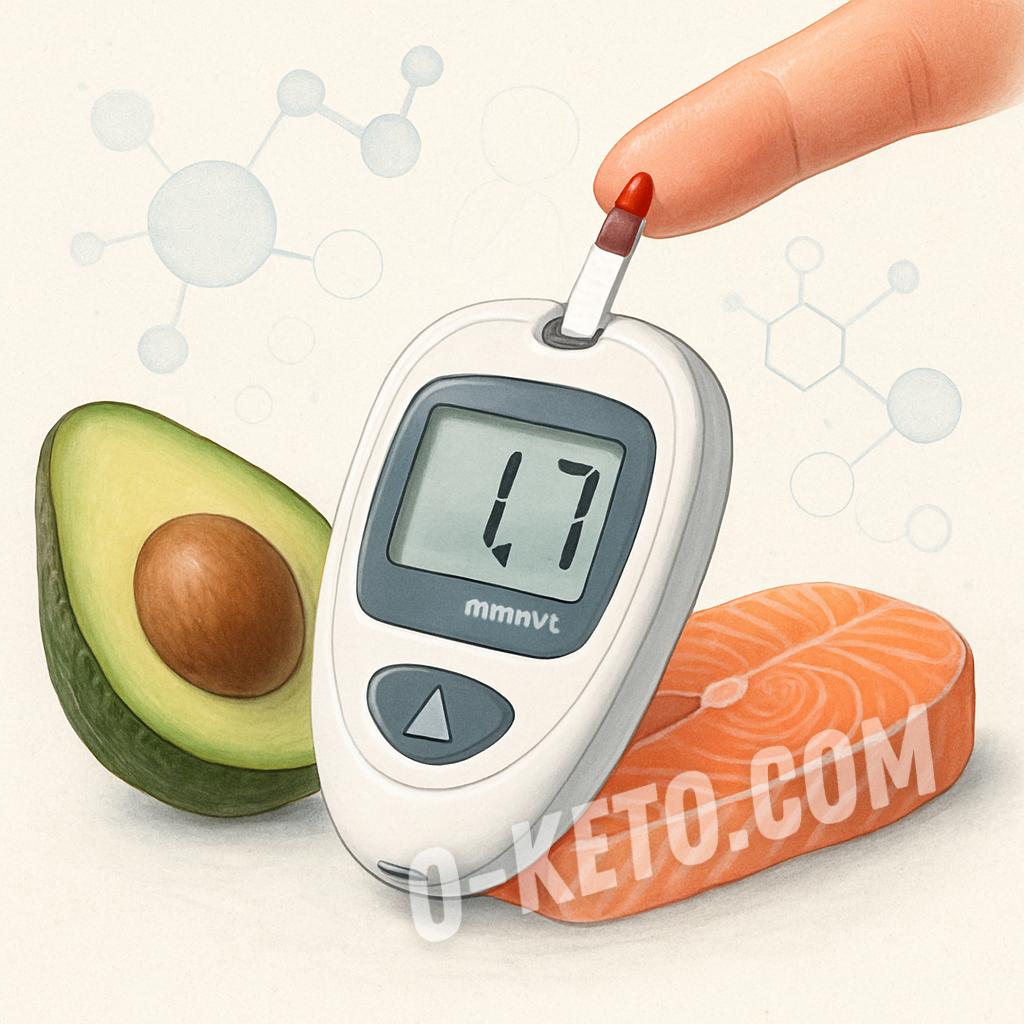
A blood ketone test measures beta-hydroxybutyrate, the main ketone circulating in blood during nutritional ketosis. It usually uses a portable meter and a test strip with a small blood drop.
This method is more precise than urine strips because it shows the current blood ketone level rather than ketones being excreted in urine.
When It Helps
Blood testing can be useful in therapeutic keto, diabetes under medical supervision, diet adjustment or when nutritional ketosis must be separated from a dangerous situation.
For ordinary weight loss, constant testing is often unnecessary. If the person feels well, controls appetite and sees improvements in glucose or body composition, the ketone number should not become an obsessive goal.
How Not To Become Dependent On Measurements
Blood ketone testing can be useful when a person needs to understand the response to diet, training, fasting or a medical protocol. But measuring should not become daily anxiety around one number.
Ketones must always be interpreted through the goal. In a therapeutic protocol, the range may matter; for weight loss, appetite, glucose, waist size, sleep, energy and diet consistency often matter more.
If the result is unexpectedly high or comes with feeling unwell, especially with diabetes, vomiting, intense thirst, confusion or high glucose, this is not keto optimization but a reason for medical assessment.
If you have any questions about the term "Blood ketone test", you can ask them to AI. Please note, a low-cost OpenAI model is used. It may answer questions about disease treatment with errors!


