


Jacob Teitelbaum, Kristal Fiedler "Sugar Free. A Science-Based and Proven Program to Get Off Sugar in Your Diet..."
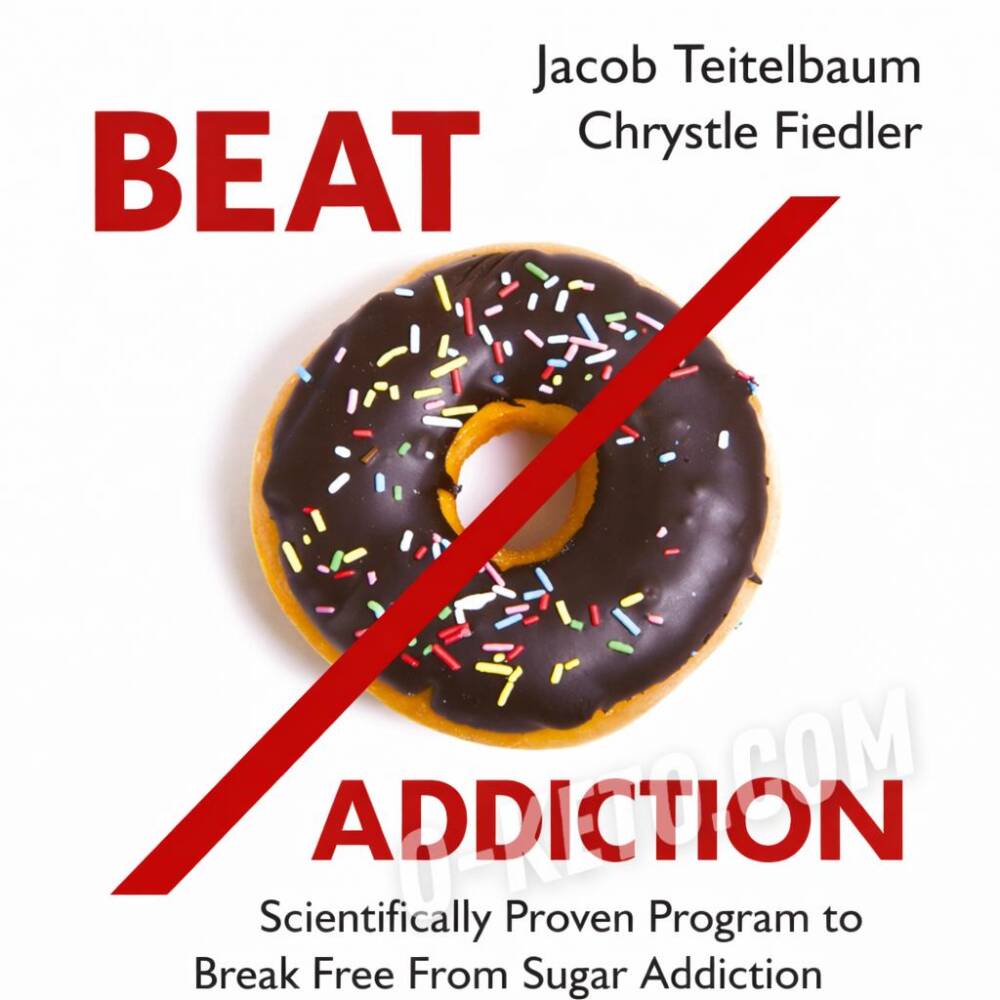

The book explains sugar cravings not as a "weak willpower," but as a set of different biological scenarios (several types of "sugar addiction"), each with its own causes and, therefore, its own solutions: from sleep problems and chronic fatigue to hormonal shifts, infections/dysbiosis, and nutrient deficiencies. The authors offer a practical program where the key step is to eliminate constant sugar stimuli, and then restore the basic foundations: sleep, hormonal regulation, control of chronic infections, and comprehensive nutritional support (including vitamins/minerals, etc.) so that cravings can genuinely "let go," rather than being sustained by prohibitions and heroism.

05.02.2026. One more piece!, David Kessler, 2009
A book about why we overeat. The author argues that it is not due to weak willpower, but because of how the modern food environment r...
CHAPTER 1. Type 1 Sugar Addiction
This type is associated with sharp fluctuations in blood glucose levels. After consuming sweets, energy and mood quickly rise, but then just as quickly, a decline occurs, leading to irritability, tremors, a feeling of "emptiness," and a renewed craving for sugar. The cause is a disruption in sugar and insulin regulation, where the body cannot consistently maintain energy levels.
The key idea is it's not about character, but about physiology: during glucose spikes, the brain demands quick fuel. The solution is to stabilize nutrition, ensure adequate protein and fat intake, avoid frequent carbohydrate snacks, and restore metabolic stability.
CHAPTER 2. Type 2 Sugar Addiction
This type is based on chronic fatigue and energy deficiency at the cellular level. Sugar is used as a quick stimulant to temporarily "get through" the day. It is often accompanied by feelings of exhaustion, poor sleep, and an inability to recover even after rest.
The authors emphasize that the craving for sweets here is a signal of problems with energy metabolism: mitochondria, adrenal glands, vitamin and mineral deficiencies. Without addressing fatigue, giving up sugar leads to a sharp deterioration in well-being.
CHAPTER 3. Type 3 Sugar Addiction
This variant is associated with hormonal imbalances, primarily involving the thyroid gland, adrenal glands, and sex hormones. Sugar temporarily improves well-being, reduces stress and anxiety, compensating for hormonal imbalances.
The main idea is that as long as the hormonal system is not restored, the craving for sweets will return. Sugar here acts as a form of "self-medication", so the strategy should include working on hormonal regulation, not just dietary restrictions.
CHAPTER 4. Type 4 Sugar Addiction
This type is caused by infections, candidiasis, dysbiosis, and chronic inflammatory processes. Microorganisms directly increase the craving for sugar, as they use it as a source of nutrition.
The authors emphasize that in this case, willpower is powerless: the craving is formed not by the brain, but by the microbiome. Real reduction of dependency is only possible with the restoration of the gut, reduction of inflammation, and elimination of chronic infectious factors.
CHAPTER 5. Treatment Methods Suitable for All Sugar Addicts
This chapter is based on universal physiological principles without which it is impossible to overcome any form of sugar addiction. The key is restoring sleep, as lack of sleep sharply increases the craving for sweets and disrupts the regulation of glucose, insulin, and cortisol.
Special emphasis is placed on nutritional density of the diet: adequate amounts of protein, fats, micronutrients, and vitamins. Without addressing deficiencies, sugar remains the fastest way to obtain energy. The importance of reducing chronic stress and inflammation as a background for addiction is also highlighted.
CHAPTER 6. Treatment of Type 1 Sugar Addiction
This chapter discusses the strategy of stabilizing blood glucose levels. The main task is to eliminate sharp spikes in sugar that trigger a vicious cycle of cravings, overeating, and energy crashes.
Key measures include regular meals, avoiding fast carbohydrates, prioritizing protein and fats, and gradually, rather than abruptly, giving up sweets. It is emphasized that strict restrictions only exacerbate hypoglycemia and worsen the addiction.
CHAPTER 7. Treatment of Type 2 Sugar Addiction
This chapter is dedicated to restoring energy at the cellular level. The main idea is that sugar is used as a crutch during chronic fatigue, and as long as the body does not learn to produce energy on its own, the craving will persist.
Measures to support mitochondria, adrenal glands, and the nervous system are discussed, as well as correcting nutrient deficiencies. The authors emphasize that giving up sugar without restoring energy leads to deterioration, apathy, and relapses.
CHAPTER 8. Treatment of Type 3 Sugar Addiction
The focus is on hormonal regulation. Sugar here acts as a quick way to reduce stress and compensate for hormonal disruptions, so simply eliminating sweets does not work.
The necessity of working on the function of the thyroid gland, adrenal glands, and sex hormones is emphasized. As long as the hormonal system is unstable, the brain will demand sugar as a form of self-regulation.
CHAPTER 9. Treatment of Type 4 Sugar Addiction
This chapter is dedicated to the gut, microbiota, and chronic infections. The craving for sugar is viewed as a biological request from microorganisms, rather than a conscious desire of the person.
The main conclusion is that treatment should focus on restoring the intestinal barrier, reducing inflammation, and suppressing pathogenic flora. Without addressing dysbiosis, attempts to give up sugar turn into a constant struggle with oneself.
CHAPTER 10. Anxiety
Anxiety is viewed as a common and underestimated trigger for sugar cravings. Sweets temporarily reduce stress levels due to a rapid rise in serotonin and dopamine, but then increase the anxiety background due to sharp fluctuations in glucose and cortisol.
The key idea is that sugar does not calm but maintains the anxiety cycle. For real improvement, it is necessary to stabilize blood sugar levels, restore sleep and the nervous system, and eliminate nutrient deficiencies that affect neurotransmitters.
CHAPTER 11. Chronic Fatigue Syndrome and Fibromyalgia
In this chapter, sugar is shown as a forced source of quick energy for people with pronounced energy depletion. In chronic fatigue syndrome and fibromyalgia, the body is physically unable to produce enough ATP, making the craving for sweets constant.
The authors emphasize that giving up sugar without restoring mitochondria and sleep worsens pain, weakness, and brain fog. The main focus is on gradual energy restoration rather than dietary prohibitions.
CHAPTER 12. Depression
Depression is linked to disruption of neurotransmitter balance and chronic inflammation. Sugar is used as a short-term antidepressant that temporarily boosts mood and motivation.
The main conclusion is that sugar creates the illusion of relief, but in the long term, deepens the depressive state. Recovery requires stabilizing glucose levels, ensuring adequate sleep, supporting the nervous system, and eliminating deficiencies that affect serotonin and dopamine synthesis.
CHAPTER 13. Diabetes and Metabolic Syndrome
In this chapter, sugar addiction is viewed as a fundamental mechanism for the development of insulin resistance, type 2 diabetes, and metabolic syndrome. Constant glucose spikes deplete regulatory systems and increase inflammation.
The authors emphasize that the problem is not limited to sugar as a substance, but to loss of metabolic flexibility. The key to recovery is stabilizing blood sugar levels, reducing inflammation, and restoring the body's ability to effectively use energy without constant carbohydrate stimulation.
CHAPTER 14. Cardiovascular Diseases
In this chapter, sugar is viewed as a systemic factor damaging blood vessels. Persistently elevated glucose levels increase inflammation, oxidative stress, and disrupt endothelial function, which is directly related to the development of hypertension, atherosclerosis, and ischemic heart disease.
The authors emphasize that the key problem is not fats, but chronic hyperglycemia and insulin resistance. Reducing sugar load, stabilizing glucose levels, and restoring metabolic flexibility are considered basic measures for preventing and improving vascular health.
CHAPTER 15. Hypothyroidism
Hypothyroidism is associated with slowed energy metabolism, where sugar is used as a quick way to maintain energy levels and mental clarity. This creates a persistent craving for sweets.
The main idea is that sugar temporarily masks symptoms but worsens hormonal imbalance, increasing insulin resistance and stress on the adrenal glands. Restoring thyroid function and proper nutrition are key to reducing dependency.
CHAPTER 16. Irritable Bowel Syndrome and Spastic Colitis
This chapter focuses on the connection between sugar and gut dysfunction. Sweets exacerbate fermentation processes, support dysbiosis, and increase sensitivity of the intestinal wall.
The authors emphasize that in IBS, the craving for sugar is often supported by the microbiome. Without restoring the intestinal barrier and reducing inflammation, giving up sweets remains unstable.
CHAPTER 17. Migraines and Tension Headaches
Sugar is viewed as a common trigger for headaches due to sharp fluctuations in glucose, its effects on vascular tone, and the nervous system.
The key idea is that for many people, migraines are linked not to "mysterious causes," but to hypoglycemia and disrupted energy metabolism in the brain. Stabilizing nutrition and glucose levels reduces the frequency and intensity of attacks.
CHAPTER 18. Obesity
Obesity is described as a result of hormonal and metabolic disorders, rather than a lack of self-control. Sugar increases insulin resistance and blocks access to fat reserves.
The main conclusion is that as long as sugar and insulin levels are unstable, the body physically cannot lose weight. Reducing the craving for sweets and restoring metabolism are primary steps toward normalizing body weight.
CHAPTER 19. Sinusitis
In this chapter, sugar is shown as a factor that exacerbates inflammation and mucus production. Excess sugar supports chronic infections and swelling of mucous membranes.
The authors emphasize that for those prone to sinusitis, reducing sugar intake decreases the inflammatory background. Sugar here acts not as a neutral food but as a disease enhancer.
List of YouTube videos on the topic "Jacob Teitelbaum, Kristal Fiedler "Sugar Free. A Science-Based and Proven Program to Get Off Sugar in Your Diet..."":