


Candidiasis
Thrush is more than temporary irritation: recurrent episodes deserve a deeper look at antibiotics, diabetes, mucosal care, and the factors that keep Candida overgrowth returning.




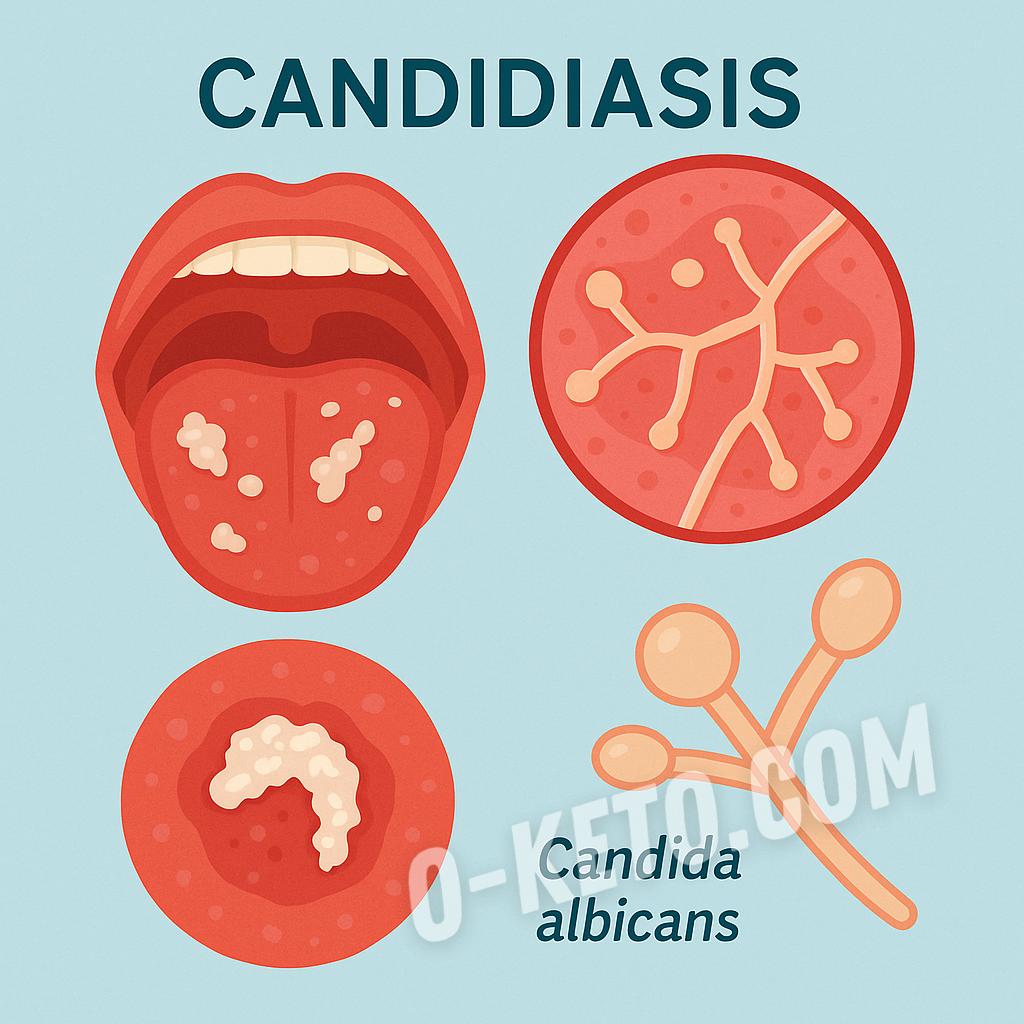
Thrush, or mucosal candidiasis, usually means excessive growth of Candida species on the background of disrupted local balance rather than a single simplistic cause such as “too much sugar.” In practice it may affect the vagina, mouth, skin folds, and other moist surfaces, and the course may be either acute or recurrent. What matters is not only the discomfort itself, but also the context: why episodes keep returning and whether diabetes, recent antibiotics, pregnancy, irritating hygiene products, chronic friction, stress, immune issues, or mucosal vulnerability are contributing.
How thrush usually presents
Vaginal candidiasis often causes itching, burning, redness, irritation, discomfort, and discharge, while oral candidiasis may cause white plaques, soreness, and pain when eating. On the skin it tends to affect moist or rubbing areas. Symptoms can overlap with other conditions, so not every itch or white coating automatically means Candida overgrowth. Misdiagnosis is common because bacterial infections, dermatitis, irritation, allergies, and hormonal shifts may create a similar picture.
Extra caution is needed when “thrush” returns rapidly after standard treatment or responds poorly. In those cases the familiar label may be covering another diagnosis or a deeper background problem that keeps the mucosa unstable.
Why episodes may keep returning
Recurrent candidiasis is often associated with antibiotics, elevated glucose, poorly controlled diabetes, pregnancy, persistent moisture, tight synthetic clothing, aggressive intimate hygiene, and in some cases immune compromise. For some people the important step is not extreme food restriction, but removal of ongoing triggers, gentler mucosal care, and review of metabolic factors. High glucose can absolutely make recurrence easier, but it is not the only explanation.
The condition of the mucosal barrier also matters. Repeated irritation, harsh products, friction, and disrupted microbial balance can make tissues more vulnerable, so even a smaller imbalance triggers symptoms more easily. That is why practical management of recurrence is broader than a single antifungal treatment.
When a more serious assessment is needed
If episodes happen several times a year, involve severe pain, fissures, ulcers, unusual odor, fever, bleeding, or diagnostic uncertainty, endless self-treatment is a poor strategy. At that stage it is worth excluding bacterial infections, sexually transmitted infections, marked hyperglycemia, pregnancy, immune problems, or other sources of mucosal irritation. With oral thrush, inhaled steroids, dry mucosa, metabolic issues, and digestive background may also be relevant.
It is also wise to pay attention if thrush appears together with weight loss, excessive thirst, frequent urination, slow healing, or chronic fatigue. In that setting candidiasis may be less an isolated nuisance and more an external clue to a broader systemic issue such as disturbed glucose metabolism.
Nutrition and lower-carbohydrate context
A lower-carbohydrate approach helps some people reduce the background that supports recurrence, especially if their previous diet was heavily loaded with sugar and ultra-processed foods. But thrush should not be reduced to the crude formula “sugar feeds fungus, so remove everything.” In many people the major drivers are antibiotics, hormonal shifts, diabetes, or barrier disruption rather than carbohydrates alone. Nutrition matters here mainly when it helps reduce true metabolic triggers.
At the same time, severe chronic restriction and fear-driven eating do not strengthen mucosal recovery. If the diet becomes too poor in protein, micronutrients, and energy, healing may worsen. A lower-carbohydrate pattern makes sense only as part of a broader stable strategy, not as a substitute for diagnosis and treatment.
Why oversimplifying thrush is a mistake
The first common mistake is to treat thrush as a trivial nuisance that always deserves the same response. The second is to blame everything on sugar and ignore antibiotics, hormones, diabetes, mucosal care, and immune background. In practice, thrush is often a useful signal to examine the environment in which the mucosa is trying to recover and the metabolic conditions that allow repeated imbalance. The most reasonable approach is not panic, but neither is it dismissing recurrent or atypical episodes as unimportant.
If you have any questions about the term "Candidiasis", you can ask them to AI. Please note, a low-cost OpenAI model is used. It may answer questions about disease treatment with errors!


 1 / 4
1 / 4
 1 / 4
1 / 4
 1 / 4
1 / 4


 1 / 4
1 / 4
 1 / 4
1 / 4