


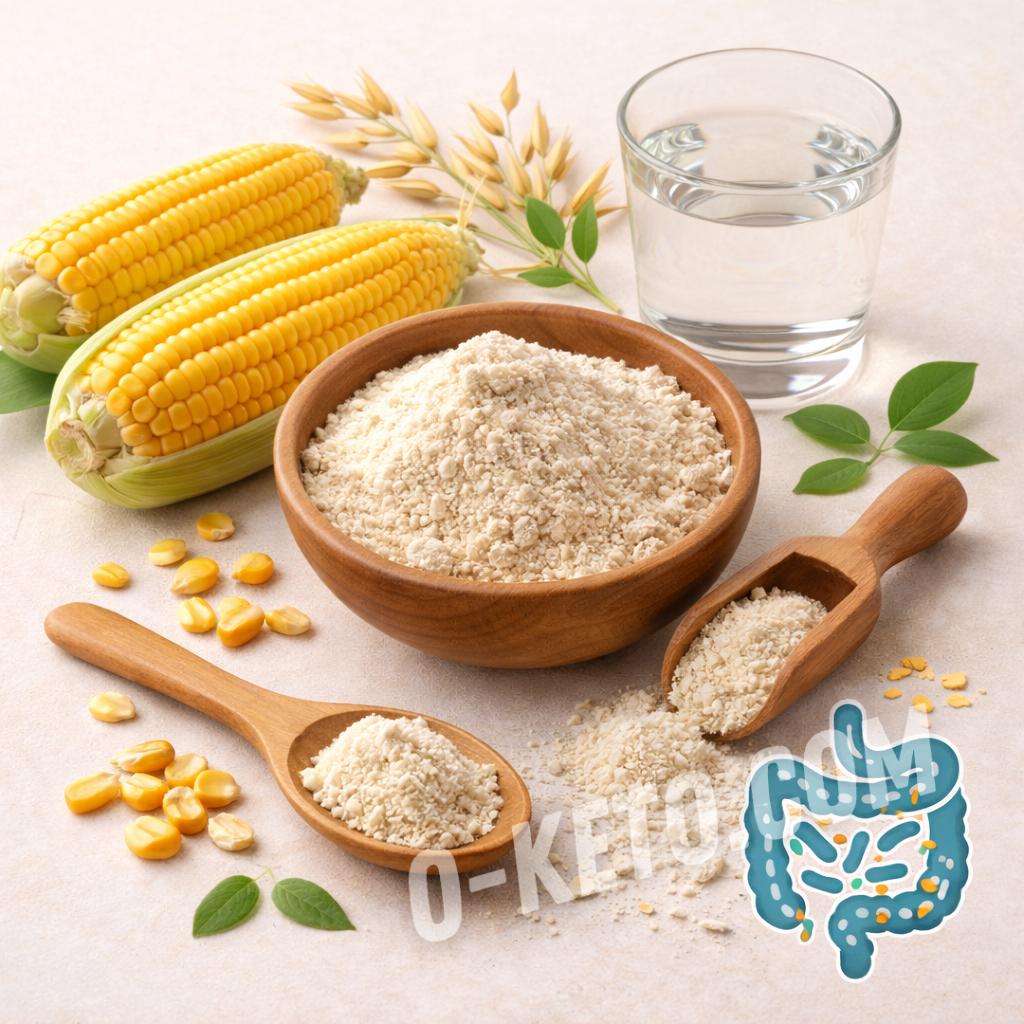

Soluble corn fibers are a functional food ingredient that is actively used in nutrition and dietetics due to their influence on digestion, carbohydrate metabolism, and gut microbiota. These fibers are obtained from corn raw materials through deep processing, resulting in a form of fiber that can dissolve in water and form viscous gel-like structures.
Against the backdrop of growing interest in healthy eating, blood sugar control, and gut health support, soluble corn fibers are seen as a convenient way to increase dietary fiber content without significantly affecting the taste and texture of dishes. They easily integrate into everyday diets and are suitable for use in functional and specialized diets.
Composition and Properties
Soluble corn fibers belong to the group of soluble fiber, which forms a viscous mass upon contact with water. This property determines their physiological action in the gastrointestinal tract and their influence on metabolism.
The composition of such fibers may include various fractions of soluble fiber that participate in regulating digestive processes and the rate of nutrient absorption. They slow down gastric emptying and the movement of food through the intestines, which contributes to a more even absorption of carbohydrates.
- caloric content of about 200 kcal per 100 g;
- proteins about 1.5 g;
- fats about 0.5 g;
- carbohydrates about 45 g, a significant portion of which is represented by dietary fibers.
From the perspective of glycemic load, soluble fibers do not have a significant impact on blood sugar levels, as they are not broken down into glucose in the small intestine. This makes them an interesting component for carbohydrate-controlled diets.
Health Benefits
The main effect of soluble corn fibers is associated with supporting normal intestinal function. By forming a gel-like structure, they increase the volume of intestinal contents and promote softer and more regular stools.
By slowing down the digestion of food, these fibers contribute to a longer feeling of fullness, which can be beneficial for weight control and reducing overall caloric intake.
Regulation of blood sugar levels. Soluble fibers slow down the absorption of carbohydrates from food, leading to a more gradual increase in glucose levels after meals. This property is especially important for people with insulin resistance, impaired glucose tolerance, and type 2 diabetes.
Support for the cardiovascular system. Regular consumption of soluble fiber is associated with a reduction in total cholesterol and low-density lipoproteins. This reduces the burden on the vascular system and may lower the risk of atherosclerotic changes.
Impact on immunity. Soluble corn fibers serve a prebiotic function, acting as a substrate for beneficial gut bacteria. Maintaining a balanced gut microbiota is directly related to the state of the immune system and the barrier function of the mucosa.
Application in Cooking and Dietetics
In cooking, soluble corn fibers are used as a functional ingredient that affects the texture and moisture-retaining properties of products. They allow for improved structure in baked goods, sauces, and desserts without adding sugar or fats.
Such fibers are often used:
- as a thickener for sauces and soups;
- to improve the texture of baked goods;
- as a component in low-calorie and functional products;
- in beverages and cocktails to increase fiber content.
In dietetics, soluble corn fibers are used to support digestion, normalize bowel movements, and reduce the glycemic load of the diet. The recommended amount is usually 5–10 g per day, with a gradual increase in dosage to prevent discomfort from the gastrointestinal tract.
Features of Use in Low-Carbohydrate Diets
Soluble corn fibers can be used in low-carbohydrate and keto-oriented diets, as they do not lead to a significant increase in glucose and insulin levels. It is important to consider individual tolerance and the overall amount of carbohydrates in the diet.
When properly incorporated into the diet, soluble corn fibers become a versatile tool for improving the nutritional value of the diet, supporting gut health, and maintaining metabolic balance.


