


Autonomic nervous system
The part of the nervous system that automatically regulates heart rate, blood pressure, breathing, digestion, sweating, pupils, bladder function and stress responses. Its flexibility depends on sleep, electrolytes, glucose control, inflammation, breathing and recovery.
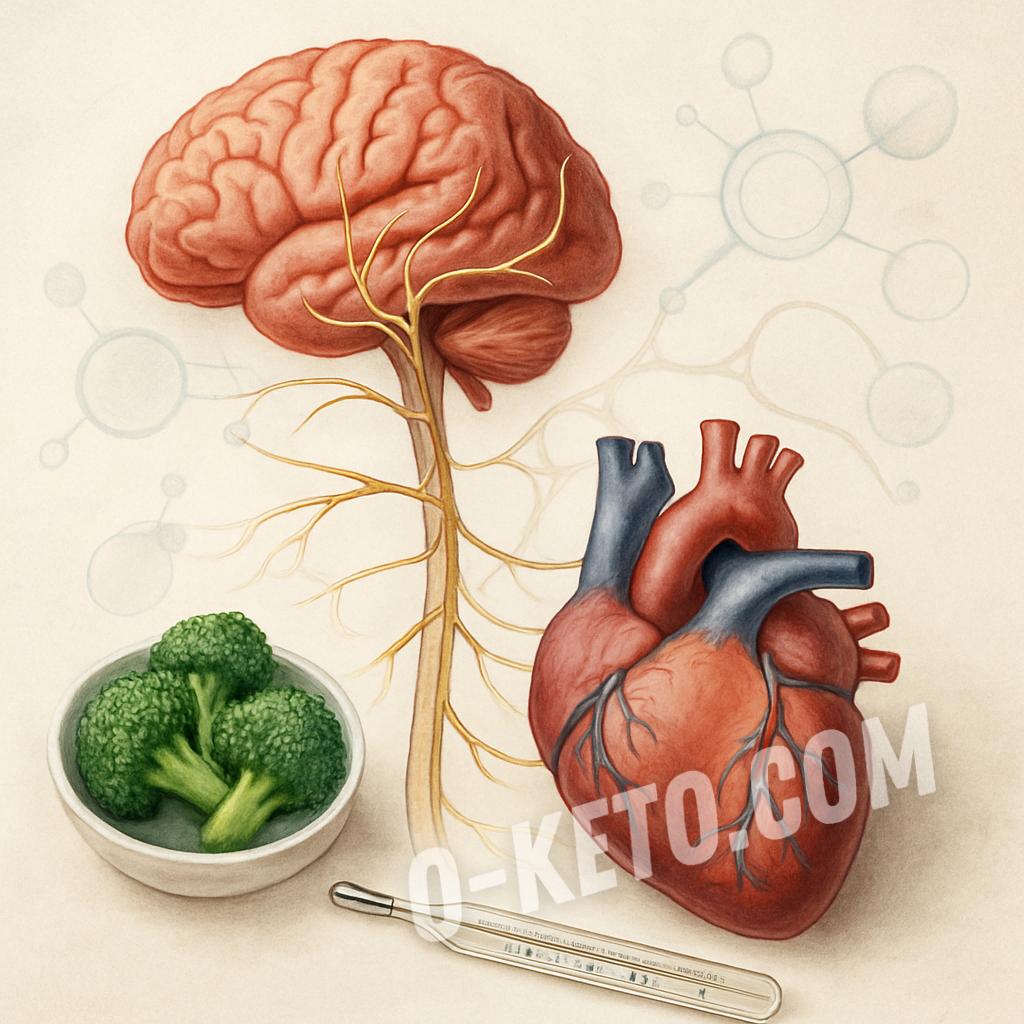
The autonomic nervous system controls functions that usually do not require conscious effort: heart rate, vascular tone, blood pressure, breathing, sweating, pupils, gut motility, stomach acid, bile and enzyme secretion, bladder function and sexual responses. It constantly adjusts the body to sleep, movement, meals, stress, heat, cold, illness and recovery.
It is often described as a balance between sympathetic and parasympathetic branches. The sympathetic branch supports mobilization: it raises heart rate, prepares muscles, redistributes blood flow and reduces digestive activity. The parasympathetic branch supports restoration, sleep, digestion, salivation, peristalsis and a calmer heart rhythm. In reality they are not enemies, but two sides of regulation that should switch flexibly.
How autonomic regulation shows up
When a person stands up quickly, blood vessels should constrict and heart rate should rise slightly so blood continues to reach the brain. After a meal, blood flow shifts toward the gut and secretion and motility increase. During exercise, the heart and muscles are activated. At night, the restorative pattern should dominate: lower heart rate, calmer breathing and better digestive and hormonal regulation.
When switching is impaired, symptoms can be difficult to assign to one organ. A person may notice palpitations, blood-pressure swings, dizziness on standing, sweating, cold extremities, a lump in the throat, nausea, stress-related constipation or diarrhea, poor heat tolerance, anxious night waking, rapid heart rate after meals or unusual weakness after ordinary effort.
Sleep, stress and heart-rate variability
One indirect marker of autonomic flexibility is heart-rate variability. It reflects how finely the interval between heartbeats changes. Higher variability is often associated with better recovery, but it is not a diagnosis by itself. It is influenced by sleep, alcohol, training, temperature, infections, menstrual cycle, dehydration, medications, psychological stress and measurement timing.
Chronic stress can hold the system in a mobilized state. Digestion becomes less efficient, sleep gets lighter, resting heart rate rises and reactions to caffeine, fasting or training become stronger. Still, not everything should be explained by stress. Anemia, hyperthyroidism, arrhythmias, infections, sodium deficiency, hypoglycemia and medication side effects can look similar.
Nutrition, keto and electrolytes
On a low-carbohydrate diet, autonomic symptoms are often related to water and electrolytes. When insulin falls, the kidneys excrete more sodium, and fluid volume changes with it. If sodium, magnesium, potassium and water are inadequate, weakness, dizziness, palpitations, headache, constipation and poor exercise tolerance can appear.
On the other hand, overeating, excess alcohol, low protein intake, long fasting intervals in an unadapted person or a sudden calorie deficit can also disturb autonomic regulation. A workable low-carbohydrate diet should provide stable satiety, enough salt when appropriate, normal bowel function, predictable energy and the ability to train without feeling constantly in emergency mode.
Digestion and the vagus nerve
Parasympathetic regulation through the vagus nerve is important for the stomach, gallbladder, pancreas and intestines. Eating in a rushed and anxious state can genuinely weaken the digestive phase: less saliva, poorer preparation of the stomach and worse motility. Slow eating, chewing, a pause before meals and good sleep sometimes help more than another supplement.
But the vagus nerve should not be romanticized. Breathing and relaxation exercises can be useful, but they do not treat gallstones, ulcers, inflammatory bowel disease, diabetic autonomic neuropathy or arrhythmias. If symptoms are persistent, the medical cause should be investigated rather than only trying to “stimulate the vagus”.
When evaluation is needed
Evaluation is especially important with fainting, chest pain, marked shortness of breath, persistent tachycardia, a sharp blood-pressure drop on standing, neurological symptoms, unexplained weight loss, night sweats, severe weakness, vomiting, blood in stool or a sudden change in urination. These signs may point not to functional regulation, but to the heart, endocrine system, infection, nervous system or gastrointestinal disease.
Practical support begins with fundamentals: regular sleep, daylight, measured physical activity, adequate sodium when medically appropriate, magnesium and potassium from food, treatment of sleep apnea, avoidance of excess alcohol, calmer meals and gradual increases in training load. The goal is not to keep the body permanently calm, but to restore the ability to activate quickly and recover just as quickly.
If you have any questions about the term "Autonomic nervous system", you can ask them to AI. Please note, a low-cost OpenAI model is used. It may answer questions about disease treatment with errors!


