


Warts
Warts are benign skin growths linked to human papillomavirus that depend on virus type, skin condition, friction and immune response, so location, trauma and persistence matter more than the idea that they are only a cosmetic issue.



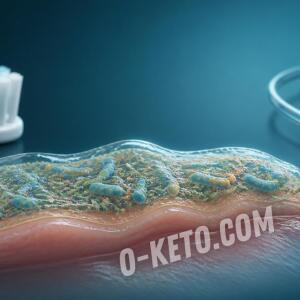
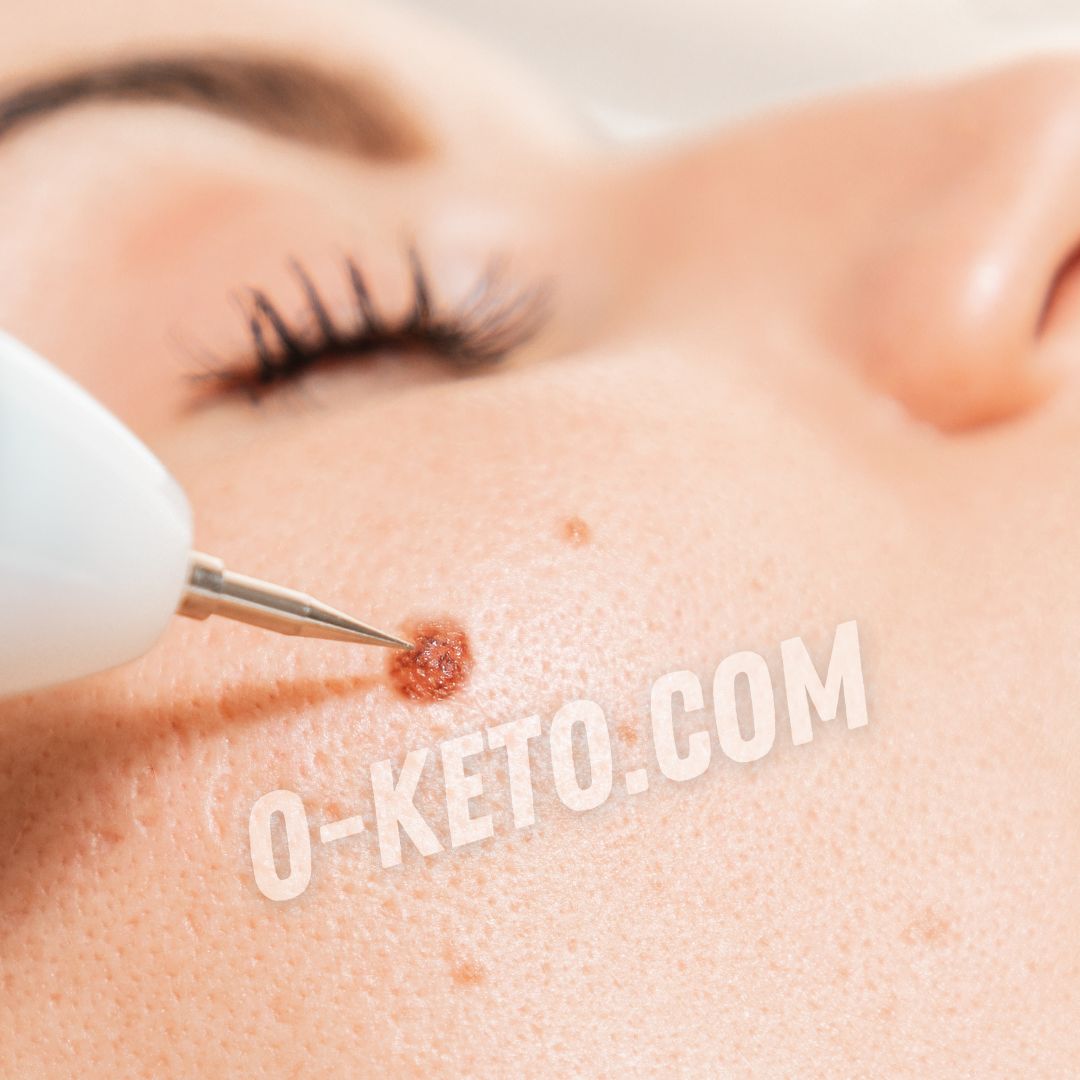
Warts are benign skin growths associated with certain types of human papillomavirus. They may appear on the hands, feet, around nails and in other areas, and they differ in shape, depth and tenderness. Although benign, warts can interfere with walking, catch on clothing, bleed after trauma and create significant psychological discomfort. In practical care it is helpful to remember that they are not always a trivial cosmetic issue, especially when they are multiple, painful or persistent.
Why warts appear and persist
Development of warts depends on contact with the virus, micro-injury to the skin, friction, moisture and the local immune response. One person may have exposure without any visible lesion, while another develops stubborn growths. That is why skin condition, sweating, repeated local trauma and the general immune background may influence the course almost as much as the infection itself.
Some warts eventually resolve on their own, but spontaneous disappearance is not always fast and may take many months.
How they differ from other skin lesions
Plantar warts may be confused with calluses, and common warts with other benign skin bumps. Location, pain pattern, surface texture, tiny thrombosed capillary dots and the direction of growth all matter. If a lesion changes quickly, bleeds unexpectedly, looks unusual or does not fit the ordinary clinical pattern, it is safer not to rely on self-diagnosis too confidently.
This is why some “warts” that people treat on their own for a long time actually deserve a dermatologist’s review.
What makes irritation and spread worse
Constant friction, picking, harsh self-burning attempts, sweaty feet and chronic maceration can all maintain the problem. Warts are common in children and young people, but in adults persistent lesions may relate more strongly to repeated trauma, skin features and local immune behavior. When a wart sits on the sole, pain while walking can alter the load on the whole foot and limit activity.
For that reason, even a small lesion may be clinically important if it is repeatedly traumatized or interferes with movement.
Immunity, nutrition and general health
Nutrition does not directly cure warts, but chronic sleep loss, severe stress, low protein intake and overall depletion may weaken the skin’s and immune system’s ability to handle viral burden. This does not mean that every persistent wart requires a hunt for a dramatic hidden deficiency, yet skin care, adequate food and recovery of basic routine still matter as background. It is especially important not to confuse supportive care with promises of miracle cure from one supplement.
In practice, local management and informed skin assessment matter much more than myths about “cleansing the body.”
When faster evaluation is needed
Faster review is needed when a lesion grows quickly, becomes very painful, bleeds, inflames, interferes with walking, spreads widely or looks atypical. Extra attention is also important in people with diabetes, reduced foot sensation or conditions that impair skin healing. In such cases, the issue is no longer only cosmetic; it also concerns skin complications and daily discomfort.
The most sensible approach is to treat warts as benign virus-related skin lesions that should be judged by location, tenderness, duration and the extent to which they disrupt normal life.
Why repeated self-trauma often makes things worse
When a person keeps cutting, picking or burning a wart without understanding its depth and borders, chronic irritation is often maintained and the lesion may last longer. A more careful, consistent approach is usually wiser than a series of aggressive home experiments after which the treated area hurts more than the wart did before.
The more calmly and accurately location and skin condition are assessed, the lower the risk of unnecessary trauma and the higher the chance that treatment will address the real lesion rather than myths and repeated irritation.


If you have any questions about the term "Warts", you can ask them to AI. Please note, a low-cost OpenAI model is used. It may answer questions about disease treatment with errors!

 1 / 4
1 / 4

 1 / 4
1 / 4

 1 / 4
1 / 4


 1 / 4
1 / 4