


Intestinal microbiota
The everyday term gut flora describes microorganisms living in the intestinal lumen and on the mucosa, influencing fermentation, stool, bile acids, immune reactions and food tolerance. In low-carbohydrate eating, the practical goal is not perfect bacteria, but regular stool, absence of pain, tolerated fiber and gradual diet adjustment.


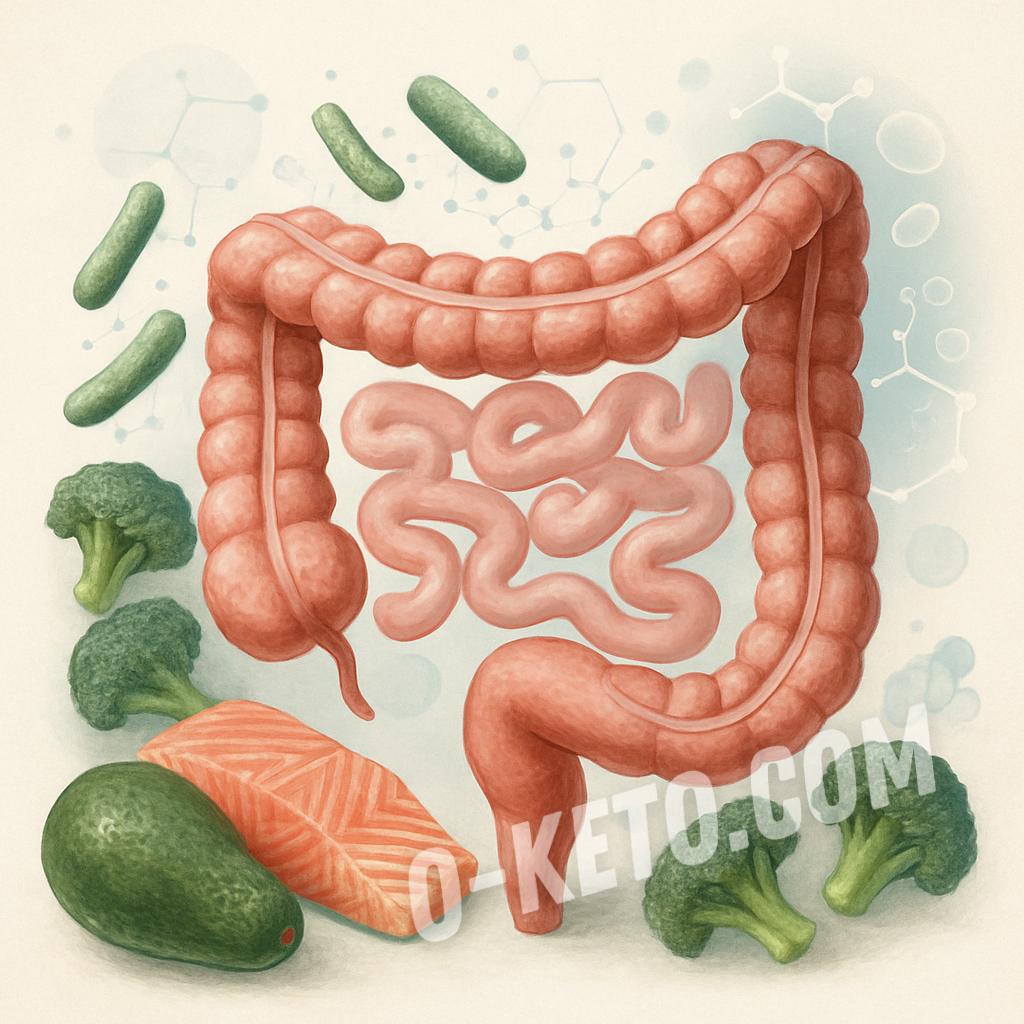
Gut flora is the everyday name for the community of microorganisms living in the intestinal lumen and on the mucosa. Scientific texts more often use “gut microbiota”, but in practical nutrition both expressions usually refer to bacteria and other organisms involved in fiber fermentation, immune signaling and intestinal barrier health.
There is no single perfect gut flora composition for everyone. Stability, tolerated diversity and the absence of inflammation, infection or symptomatic imbalance matter more than chasing a fashionable test result.
How Diet Affects Gut Flora
Gut bacteria feed on what reaches the colon: different fibers, resistant starch, polyphenols, mucus and food residues. A diet with no vegetables, greens, seeds, nuts or berries can become too poor for some beneficial bacteria.
On keto and LCHF this is not solved with sugar or bread, but with tolerated low-carb fiber sources: greens, cucumber, cabbage when tolerated, zucchini, avocado, chia or flax seeds and small portions of nuts. With bloating, SIBO or diarrhea, foods need careful selection.
When Gut Flora Becomes A Problem
Persistent diarrhea, painful constipation, blood in stool, weight loss, anemia, repeated gut infections or a sharp decline after antibiotics are reasons to investigate. In that situation, adding probiotics “for gut flora” is not enough; the cause of symptoms matters first.
The practical conclusion: gut flora is supported not by one trendy probiotic, but by a tolerated diet, regular bowel movements, sleep, movement and careful antibiotic use.
How To Assess Gut Flora Changes
Commercial gut flora tests can be interesting, but they do not always explain symptoms or guide treatment. In practice, it is more useful to connect complaints with foods, medications, recent infections, antibiotics, stress and sleep. Blood in stool, weight loss, nighttime diarrhea or anemia require medical assessment, not only “flora restoration”.
Supporting gut flora usually starts with simple foundations: regular meals, enough protein, tolerated fiber, careful use of alcohol and antibiotics, normal sleep and movement. This is less dramatic than protocols, but more reliable.
Gut Flora Is Not The Same As A Probiotic
A probiotic is a specific product or supplement with selected strains. Gut flora is the entire living system already inside the intestine, interacting with food, immunity and mucosa. Taking a probiotic is not the same as restoring the whole ecosystem.
Sometimes it is more useful to remove what harms the existing flora: excess alcohol, unnecessary antibiotics, chronic poor sleep, a very poor diet and constant stress.
How gut flora differs from microbiome
The term gut flora remains common in everyday language, although bacteria, fungi and other microorganisms are not flora in the botanical sense. Scientific language more often uses gut microbiota for the living community and microbiome for the community together with its genetic material. In practical nutrition, gut flora usually means intestinal microbiota.
Gut flora is not a list of good and bad bacteria. The same microorganism can be normal in one place and problematic in another, useful in small amounts and harmful when overgrown. The goal is not sterility or domination by one species, but a stable environment.
Fermentation and stool
Microorganisms in the colon ferment some fibers, mucus-derived substrates, polyphenols and other compounds. This produces short-chain fatty acids, gases and other metabolites. Normal fermentation supports the lining and stool, while excessive or poorly tolerated fermentation can cause pain, bloating and diarrhea.
Stool is one of the most practical indicators. Very rare, painful, watery, greasy or unstable stool says more than a vague claim about dysbiosis. Persistent symptoms require assessment of diet, bile, enzymes, medications, infections, inflammation and motility.
Keto and tolerated fiber
On keto and LCHF, gut flora changes because substrates change. Less sugar and flour may reduce fermentation, but removing nearly all vegetables, greens and fermented foods often worsens stool. A low-carbohydrate diet does not have to be fiber-free.
Suitable foods are chosen by tolerance: greens, cucumbers, zucchini, cruciferous vegetables, avocado, seeds, small amounts of berries, sugar-free fermented vegetables, yogurt or kefir without sugar when tolerated. Stability and gut response matter more than trying to meet a universal fiber target.
When diagnosis is needed
If strong bloating appears after almost every food, or if there is blood, nighttime diarrhea, weight loss, anemia, fever, prolonged diarrhea after antibiotics or constant pain, this is no longer simple gut flora adjustment. Diagnosis may need to consider infections, inflammatory bowel disease, celiac disease, SIBO, bile problems, enzyme insufficiency and other causes.
Probiotics can be useful, but they should not replace looking for the cause. Their effect depends on strain and purpose. For one person, a specific probiotic helps; for another, reducing sugar alcohols, improving bile flow, increasing sodium and water or gradually bringing vegetables back works better.
If you have any questions about the term "Intestinal microbiota", you can ask them to AI. Please note, a low-cost OpenAI model is used. It may answer questions about disease treatment with errors!


