


Fatty liver
Fatty liver is an early marker of metabolic overload linked to insulin resistance, triglycerides, body weight, and diet quality rather than a harmless incidental ultrasound finding.



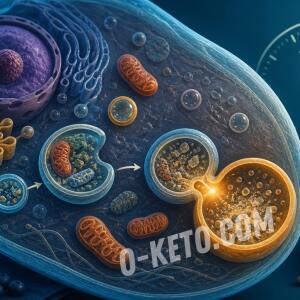
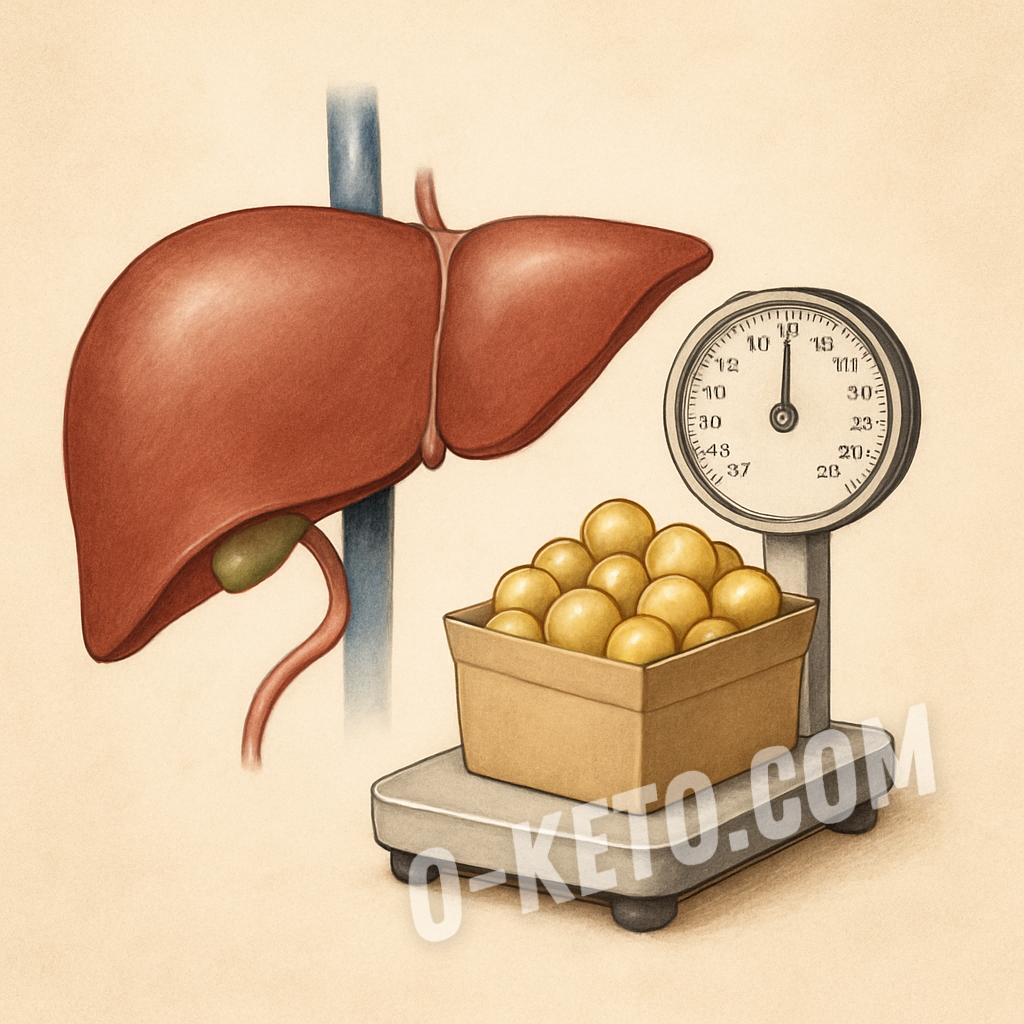
Fatty liver disease, or hepatic steatosis, means that excess fat is accumulating inside liver cells. In early stages it may cause little or no obvious discomfort, which is why it is often discovered incidentally on ultrasound, blood chemistry, or a broader metabolic workup. But the absence of strong symptoms does not make it harmless. Steatosis is commonly linked to insulin resistance, disturbed glucose handling, visceral obesity, and lipid imbalance, and if it persists it may progress toward inflammation and deeper liver injury.
Why fat begins to accumulate in the liver
Most often the problem develops not because of one food, but because of a broader metabolic background. The liver becomes overloaded when there is excess energy intake, frequent sugar and ultra-processed food exposure, marked insulin resistance, high triglycerides, low physical activity, and visceral adiposity. In some people alcohol, medication effects, hormonal shifts, or endocrine problems also contribute. That is why steatosis should not be reduced to simplistic phrases like “the liver hates fat” or “the liver only cares about carbs.”
Even people without extreme body weight may develop fatty liver in the setting of excess refined carbohydrate exposure, chronic sleep disruption, inactivity, and genetic predisposition. On the other hand, the presence of steatosis does not mean the situation is irreversible. At early stages it often serves as a warning that metabolism is operating under strain and needs correction before more serious consequences develop.
How the condition may show up
Many people have no symptoms at all. Others may notice heaviness in the right upper abdomen, fatigue, poorer tolerance to heavy meals, or generally unstable digestion. None of these sensations are specific enough to make the diagnosis by themselves. In many cases the first signal comes from elevated ALT, AST, GGT, triglycerides, or insulin resistance rather than from obvious liver pain.
That is why waiting for dramatic discomfort is unhelpful. Fatty liver is often more of an ultrasound and laboratory story than a loud symptom story, especially in the beginning. The earlier it is recognized, the easier it is to address metabolism before the process becomes more aggressive.
Which markers are especially useful
Helpful evaluation usually includes liver enzymes, a lipid panel, triglycerides, glucose, insulin, waist circumference, body-weight trend, and sometimes inflammatory markers. If liver abnormalities appear together with high triglycerides, abdominal obesity, rising insulin, and higher glucose, the picture fits a metabolic background more strongly. At the same time, normal liver enzymes do not always exclude steatosis; fat can accumulate even when routine chemistry still looks relatively calm.
It is also useful to review associated states such as hypothyroidism, polycystic ovary syndrome, sleep apnea, hyperuricemia, and hypertriglyceridemia. The liver rarely suffers in isolation, and that is exactly why a broader metabolic interpretation matters.
Nutrition, weight, and lower-carbohydrate approaches
Fatty liver often improves when body weight, insulin resistance, and diet quality improve together. For many people, reducing sugar exposure, lowering ultra-processed food intake, and gradually shrinking visceral fat works better than a vague “liver diet” that does not change the metabolic drivers. Lower-carbohydrate approaches may be useful when they improve appetite control, glucose, triglycerides, and body composition without triggering rebound overeating.
Extremes still work against the goal. If the eating pattern becomes chaotic, too low in protein, or dominated by severe restriction followed by relapse, liver recovery is less likely to be stable. In practical terms, nutrition for steatosis works best when it creates a sustainable pattern that improves insulin sensitivity and reduces the excess energy flow into the liver.
Why the condition should not be minimized
A common mistake is to assume that if the liver does not hurt, the issue is not serious. Another is to search for one magical supplement or cleansing product instead of working on weight, glucose, movement, and sleep. Fatty liver matters because it acts as an early marker of metabolic overload. Taken seriously, it offers a chance to intervene before more substantial inflammation or fibrosis develops. The most reasonable view is to treat hepatic steatosis not as an isolated liver quirk, but as part of a broader metabolic disorder that deserves systematic correction.
If you have any questions about the term "Fatty liver", you can ask them to AI. Please note, a low-cost OpenAI model is used. It may answer questions about disease treatment with errors!


 1 / 4
1 / 4 1 / 4
1 / 4


 1 / 4
1 / 4
 1 / 4
1 / 4