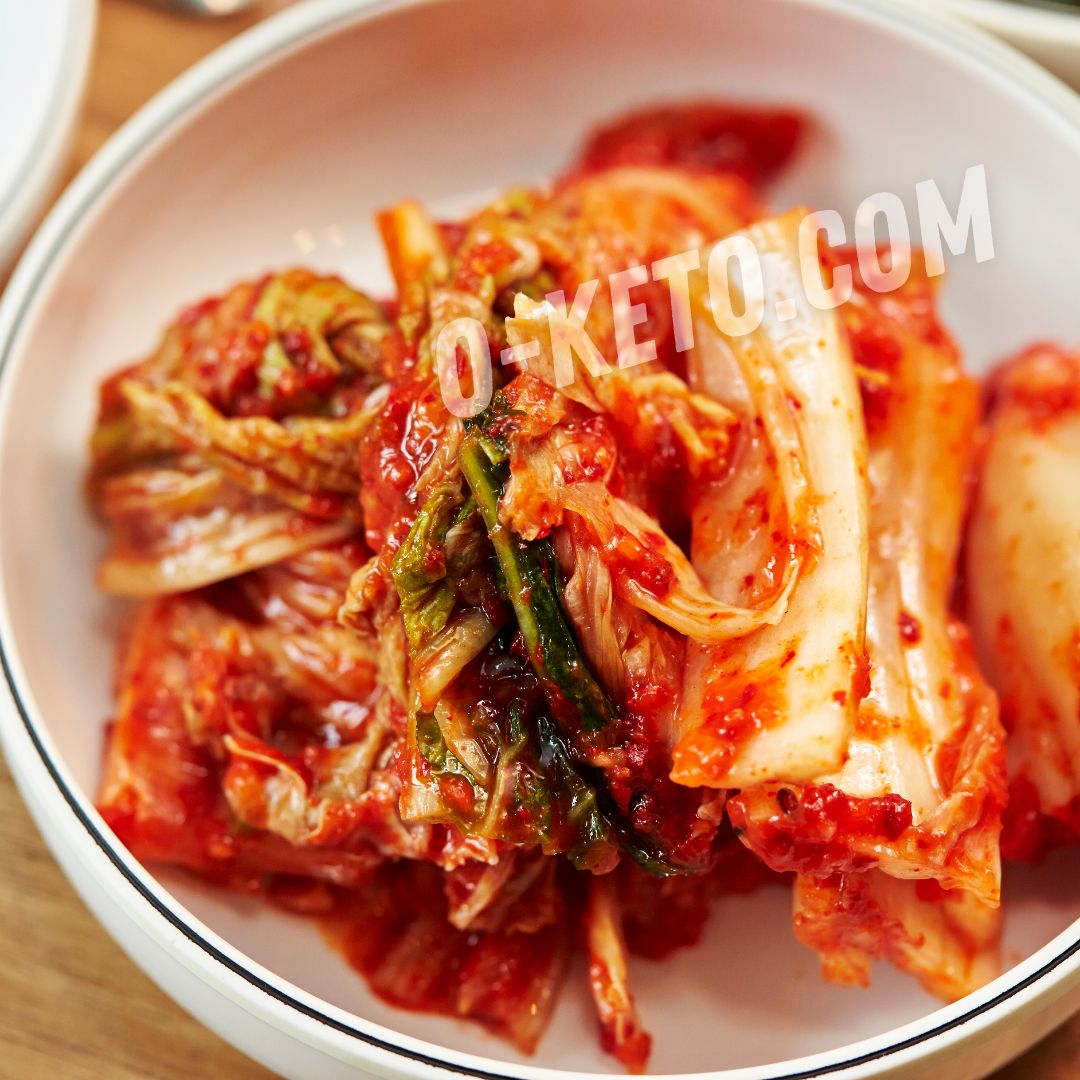

Kimchi is a Korean fermented dish, most often made from napa cabbage, salt, garlic, ginger, chili pepper, and other seasonings. There are many versions: with radish, cucumber, scallion, fish sauce, shrimp paste, carrot, or without them. The flavor depends on the recipe and fermentation time: fresh kimchi is crunchy and bright, while aged kimchi becomes more sour, deeper, and sharper.
For keto and LCHF, kimchi is convenient as a tart spicy side with few calories and carbohydrates, but the ingredients must be checked. Homemade or good-quality store kimchi can be very simple, while sweet commercial versions may contain sugar, rice flour, fruit puree, or syrup. The word “fermented” alone does not guarantee low-carb suitability.
Nutritional value
Per 100 g, kimchi is often listed with about 15-30 kcal, roughly 2 g of carbohydrates, around 1 g of protein, and less than 1 g of fat. The glycemic load is usually low if the recipe contains no sugar or starchy additions. Data vary greatly by composition: cabbage with spices is different from a sweet sauce or a version made with rice paste.
Kimchi contains fiber, organic acids, salt, spices, and products of lactic fermentation. It may contain vitamins A, B, and C, potassium, calcium, and magnesium, but in a normal portion its main role is culinary: acidity, heat, crunch, and the ability to brighten fatty or protein-rich dishes without sweet sauce.
Place in keto and LCHF
Kimchi usually fits keto if it contains no sugar, rice flour, starch, or sweet fruit additions. A 30-80 g portion works well as a side for meat, eggs, fish, bacon, tofu, or fried vegetables. Larger portions should be considered for salt and tolerance of spicy food.
If buying kimchi, check both carbohydrates and ingredients. Some recipes add sugar to start fermentation or balance flavor. A small amount may not matter much per serving, but sweet sauces and syrups change the product more clearly.
For strict tracking, count kimchi by the actual portion weight, including brine if it goes into the dish. A small side usually contributes few carbohydrates, but salt and heat can be noticeable. Kimchi works best as an accent rather than as a replacement for a large vegetable portion.
How to use
Kimchi can be eaten cold as a side, added to omelets, fried eggs, salads, fried cauliflower, soups, braised pork, beef, chicken, or tofu dishes. In hot dishes, add it near the end if you want to keep some crunch and fresh acidity.
The kimchi brine can be used as a sauce base: mix it with sour cream, sugar-free mayonnaise, sesame oil, sugar-free soy sauce, or broth. It is salty and spicy, so start with a little. For keto bowls, kimchi pairs well with egg, avocado, meat, cucumber, greens, and sesame.
How to choose
Good kimchi should smell sour and spicy, not rotten or moldy. The cabbage should keep some texture even after fermentation. A very sweet smell, slime, surface mold, or unpleasant fizzing are reasons not to use it.
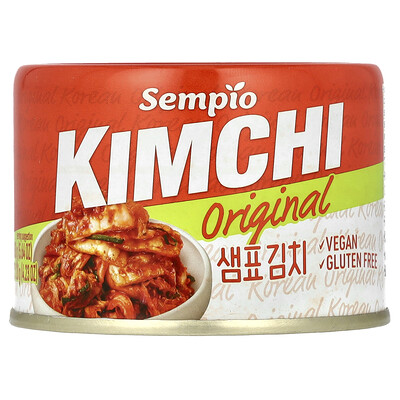
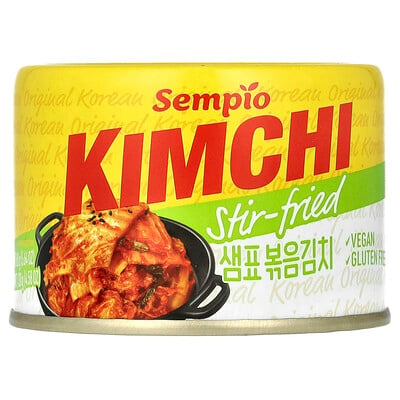
On the label, look for cabbage, salt, chili pepper, garlic, ginger, fish sauce, or fermented seafood if those are acceptable to you. For vegan versions, check how fish sauce is replaced. For keto, sugar, syrup, rice flour, wheat flour, and starch in noticeable amounts are undesirable.
Limits and storage
Kimchi is salty, spicy, and acidic. People with sensitive stomachs, reflux, or salt restriction should start with a small portion. Fermented foods may also be uncomfortable for people who react to histamine; aged kimchi can be harder to tolerate than fresh kimchi.
Store kimchi in the refrigerator in a tightly closed jar, leaving a little space if fermentation continues. Use a clean spoon, do not leave the jar on the counter for long, and watch the smell. Over time kimchi becomes more sour; that version is often better in soups and hot dishes.
Substitutes
If you need a similar tart spicy side, use sugar-free sauerkraut with chili, sugar-free pickled radish, spicy cucumbers, fermented vegetables, or a cabbage salad with garlic, vinegar, and pepper. There is no exact substitute, but kimchi’s role in a keto meal is clear: acidity, crunch, salt, and heat beside protein and fat.